
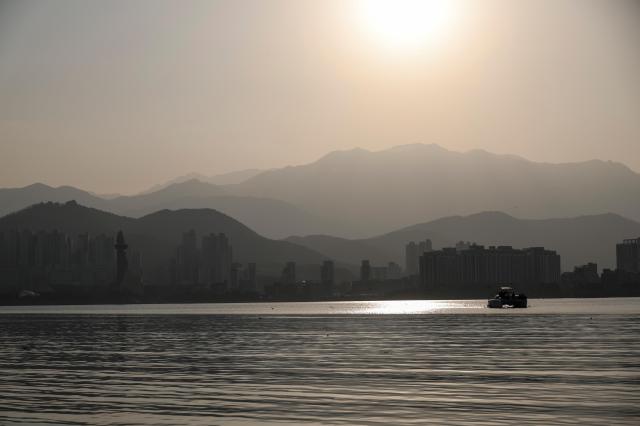
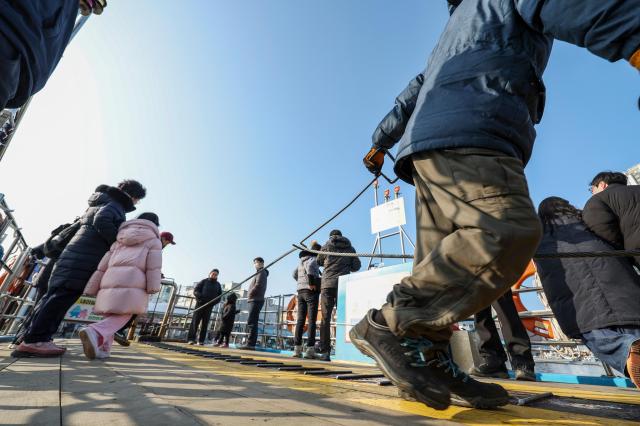
Gangwon, January 22 (AJP) — The sea off Sokcho was calm. Walking along Cheongcho Lake toward the gaetbae landing, the ferry began to move slowly as people pulled hard on the iron rings attached to the cable.
For visitors, the gaetbae is a novel experience. For locals, it was once the only way to get across. Riding the pulley-operated ferry leads to Abai Village, a neighborhood shaped by displacement and time.
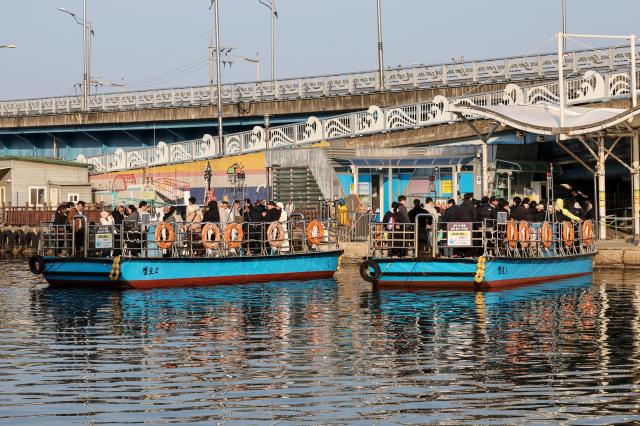
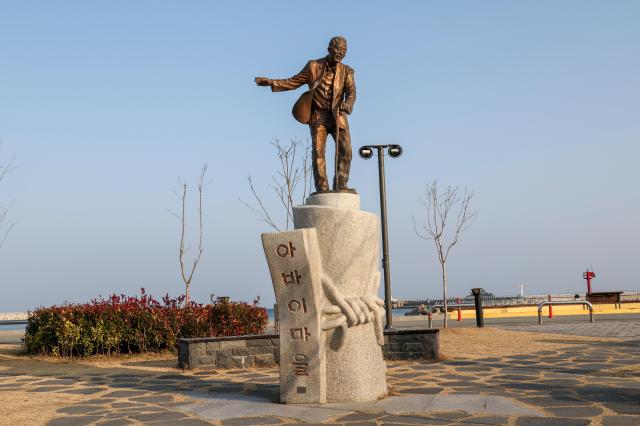
Abai Village was formed by displaced people who fled south from Hamgyong Province in North Korea during the Korean War. “Abai” is a Hamgyong dialect word referring to an elderly man. Those who escaped the war settled along the sandy shore of Sokcho’s coast, believing they would soon be able to return home. The land was inhospitable—building homes and securing drinking water were difficult—but people from the same hometowns gathered together and formed communal settlements. What began as a temporary refuge became a permanent home over the decades.

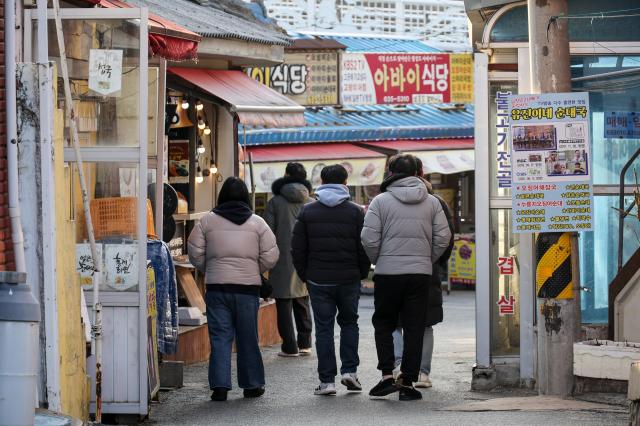
Walking through the narrow alleys, low fences and weathered signboards come into view. Amid restaurants catering to tourists, traces of everyday life remain. Abai Village is the only remaining collective settlement of displaced people in South Korea and a place where the pain of division and the hope for reunification coexist. Its stories resurface whenever inter-Korean relations shift, whether toward reconciliation or tension.
Sokcho is often described as a tourist city where the sea meets Seoraksan, but its roots lie in the settlement history of displaced people. After the war, many who arrived here made their living through fishing, helping drive the city’s growth. The Cheongho-dong area remains the heart of Sokcho’s fishing industry. Fresh catches move through the live fish centers and the Sokcho Fisheries Market, where the sea continues to shape daily life.
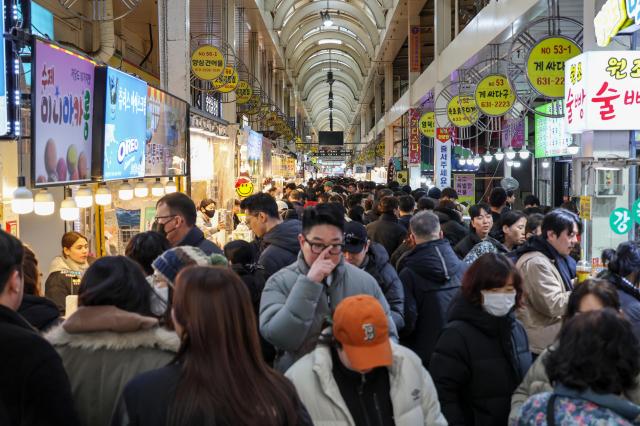
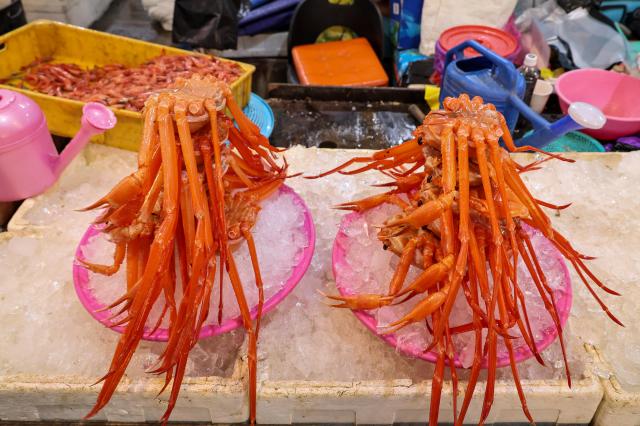
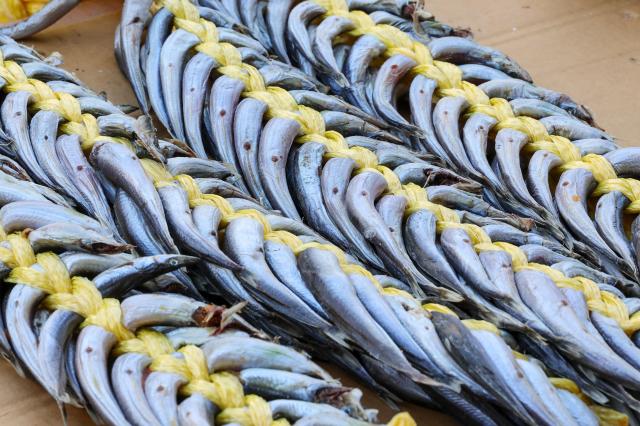
Food in Abai Village tells this history most directly. Hamheung-style cold noodles, abai sundae, squid sundae, gajami sikhae and various fermented seafood dishes reflect culinary traditions carried from the north. Combined with East Sea specialties such as red snow crab and steamed fish, they form Sokcho’s distinctive food map. For tourists they are local delicacies; for residents, they are tastes preserved in longing for home.
From the top of Seorak Geumgang Bridge, the view widens. The East Sea, Cheongcho Lake and the cityscape of Sokcho unfold at once. While it is a popular photo spot for visitors, for displaced residents this sea once stood in for a homeland they could not return to. Where scenic beauty overlaps with painful memory, Sokcho’s tourism moves beyond simple consumption.
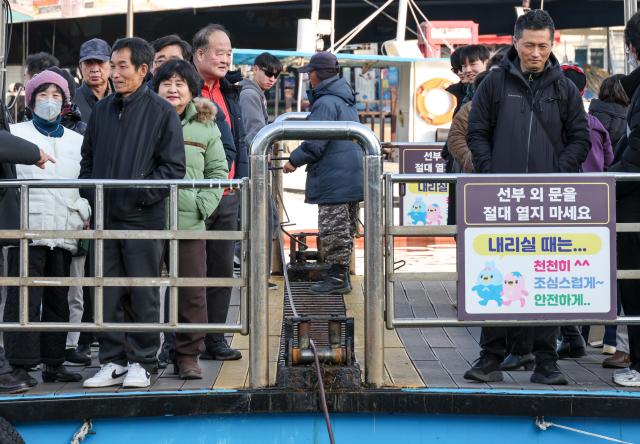
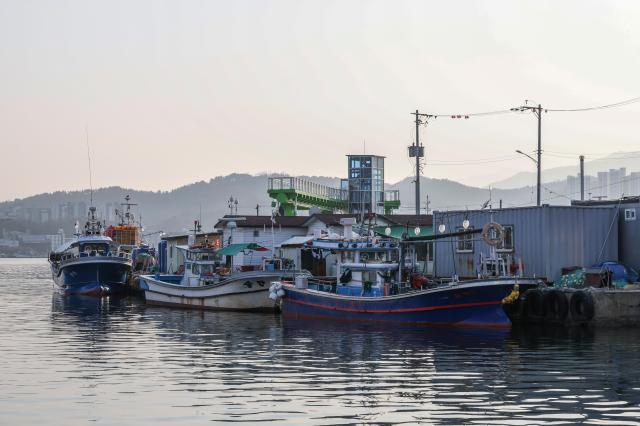
A walk through Abai Village is a journey between past and present. The brief crossing on the gaetbae, old signboards in the alleys and a plate of sundae on the table connect into a single narrative. Sokcho remains a tourist destination, but its appeal is built upon layers of time shaped by division. To truly travel Sokcho is not only to look at the sea, but to face the lives of those who have lived while gazing toward it.

Copyright ⓒ Aju Press All rights reserved.

