
SEOUL, February 22 (AJP) - The 2026 Milan–Cortina Winter Olympics drew to a close Sunday, ending 17 days of competition that tested a new model of decentralized hosting while offering South Korea renewed confidence in its next generation of winter athletes.
The Games, held across northern Italy and officially titled the Milan–Cortina d’Ampezzo Olympics, featured venues spread over hundreds of kilometers, making it the most geographically dispersed Winter Games in history.
Events were staged in four major clusters, supported by six athlete villages, with the closing ceremony held separately in Verona.
Organizers promoted the format as a sustainability-driven alternative to large-scale construction. While the approach showcased both urban Milan and the Alpine landscape, it diluted the traditional festival atmosphere associated with the Olympics, according to many athletes and officials.
Operational challenges emerged early. Several venues were completed only shortly before opening day. Power outages at curling arenas, schedule disruptions caused by heavy snowfall and norovirus cases, and concerns over defective medals added to a sense of early instability.
Despite these issues, competition on ice and snow remained the central focus as the Games progressed.
Korea Finishes 13th with Improved Medal Tally
South Korea, which sent 71 athletes as part of a 130-member delegation, stood 13th in the medal table heading into the final day, with three gold, four silver, and three bronze medals.
The result marked an improvement over the Beijing 2022 Games, where Korea collected two golds and finished 14th. Although the team fell short of its target of a top-10 finish, officials noted that both the quality and diversity of medals improved.
Short track speed skating and snowboarding emerged as the pillars of Korea’s performance.
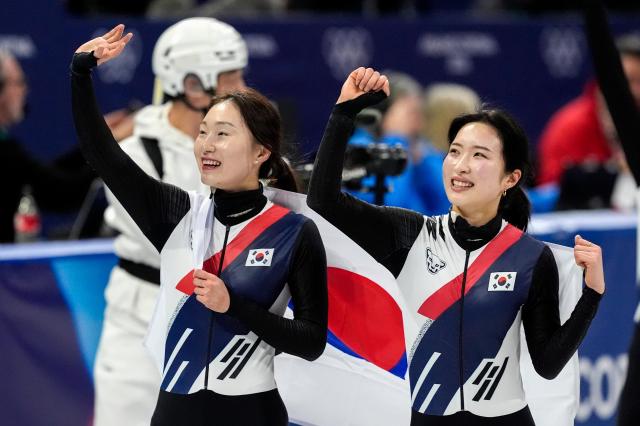
Kim Gil-li delivered Korea’s strongest individual showing, winning gold in the women’s 1,500 meters and adding another gold in the 3,000-meter relay. Her victory halted teammate Choi Min-jung’s bid for a third consecutive Olympic title in the event and made Kim the only double gold medalist on the Korean team.
In men’s competition, Lim Jong-eon claimed bronze in the 1,000 meters and contributed to a silver in the relay, reinforcing his status as a rising leader of the squad.
The results reaffirmed short track’s position as Korea’s most reliable Olympic discipline.
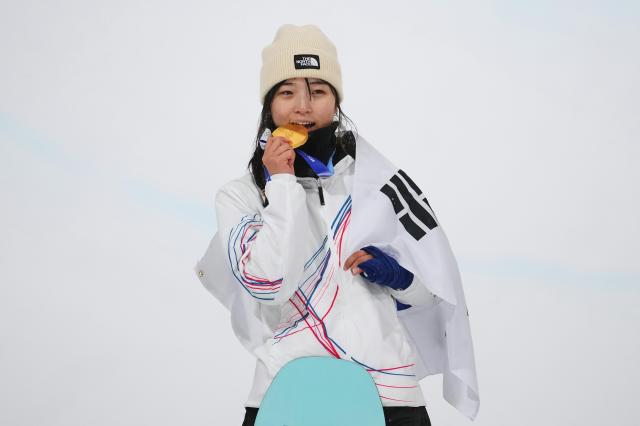
The biggest surprise came on the slopes.
Choi Ga-on, a 17-year-old high school student born in 2008, captured gold in the women’s halfpipe, becoming Korea’s first-ever Olympic champion in a snow event. Competing despite injury, she quickly emerged as one of the breakout stars of the Games.
Yoo Seung-eun added a bronze in the women’s big air, further strengthening Korea’s presence in a discipline long considered a weak point.
The success of teenage athletes suggested that Korea’s winter sports portfolio is beginning to broaden beyond ice-based events.
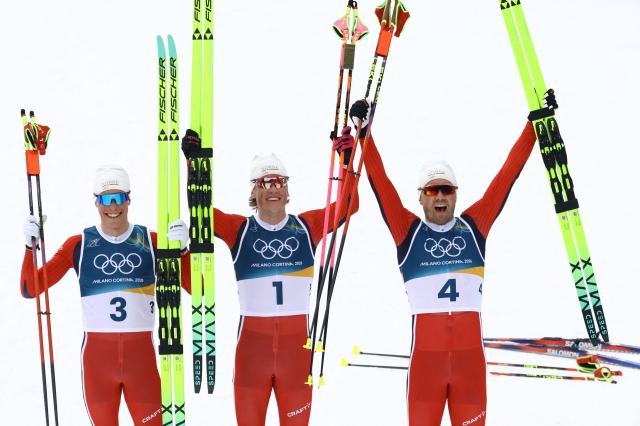
Norway once again topped the medal table, securing 18 gold medals and confirming its status as the world’s leading winter sports nation.
Johannes Klaebo led the charge by sweeping all cross-country skiing events to claim six gold medals, one of the most dominant performances in Winter Olympics history.
Korea also achieved notable results beyond competition.
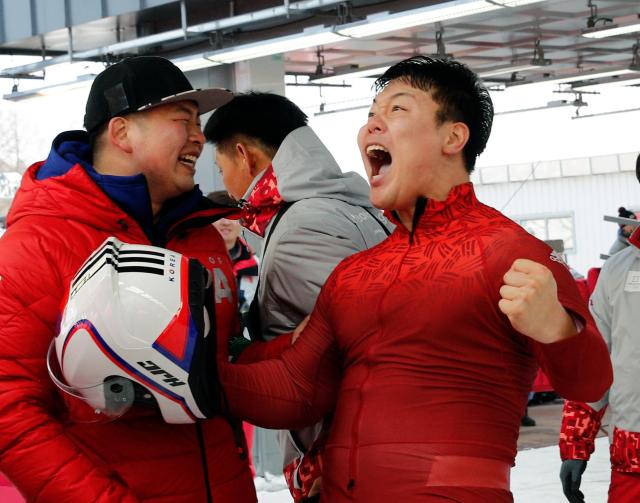
Kim Jae-youl, president of the International Skating Union, was elected to the International Olympic Committee’s Executive Board. Former bobsleigh star Won Yun-jong won the IOC Athletes’ Commission election, securing an eight-year term.
Copyright ⓒ Aju Press All rights reserved.