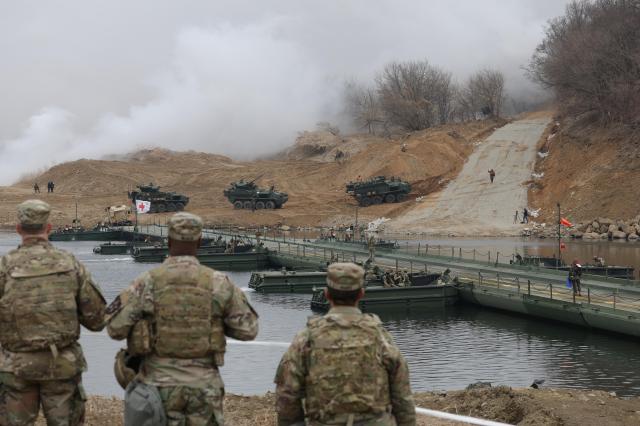
SEOUL, March 27 (AJP) - For decades, the American security umbrella underpinned stability in Asia. But in the first month of the U.S.-Iran war, that foundation has begun to shift. Amid a global surge in military spending, Asia’s leading economies are no longer waiting for Washington — they are bracing for a future where self-reliance is the only reliable guarantee of security.
Since the late-February U.S.-Israel offensive, the conflict has reached a grim milestone: more than 3,000 dead, 15,000 targets struck, and a near-total paralysis of the Strait of Hormuz. Costs have climbed rapidly, surpassing an estimated $18 billion and rising by roughly $500 million a day.
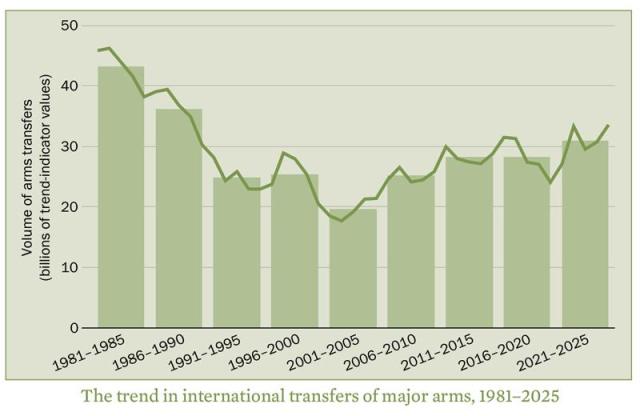
“It is common sense that the momentum of military buildup will persist long after the conflict ends,” said In Nam-sik, professor at the Korea National Diplomatic Academy. “For Gulf nations, no amount of economic prosperity can compensate for a collapse in national security. That existential fear drives them to spare no expense.”
While the Middle East confronts immediate threats, East Asia is responding with more measured but accelerating adjustments. Long accustomed to chronic tensions, the region is now reassessing the durability of its alliances.
“In East Asia, we are not seeing a sudden spike, but a steady and broad intensification of defense spending,” In said. “The key variable is the United States. Countries are beginning to internalize that American involvement may not be as steadfast as before. Preparation for reduced dependency is now essential.”
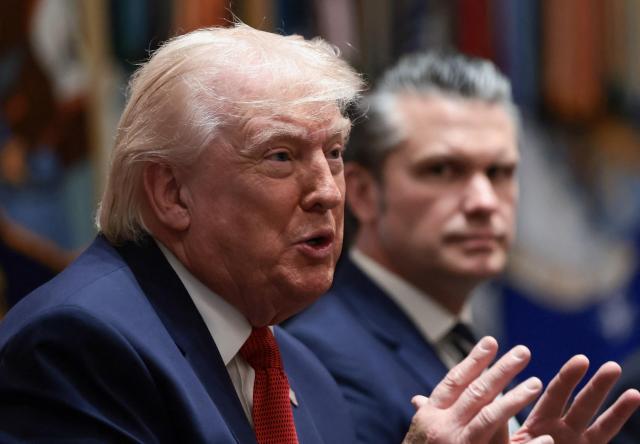
That reassessment has been sharpened by Washington itself. As the United States presses allies for greater burden-sharing — including naval participation in securing the Strait of Hormuz — its latest 2026 National Defense Strategy signals a shift toward prioritizing homeland defense and Indo-Pacific deterrence, with partners expected to assume greater responsibility elsewhere.
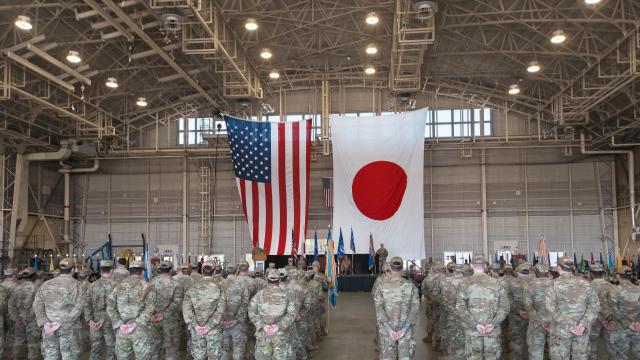
In South Korea, this shift is accelerating long-standing debates over military sovereignty. President Lee Jae Myung has reiterated the need for “self-reliant defense,” including the transfer of wartime operational control (OPCON), currently held by the United States, by 2028.
The urgency became tangible during the early weeks of the Iran conflict, when key U.S. assets — including THAAD batteries and ATACMS systems — were reportedly redeployed from the Korean Peninsula to the Middle East, exposing what officials described as a temporary “hardware gap.”
“There is no better strategic location for the U.S. than South Korea to keep China and Russia in check,” said Koh Yu-hwan, former president of the Korea Institute for National Unification, pointing to Seoul’s leverage even as it seeks greater autonomy.
China, meanwhile, has avoided direct entanglement, opting instead for strategic patience. Analysts say Beijing views U.S. involvement in the Middle East as an opportunity to consolidate its position in the Indo-Pacific, particularly around Taiwan.
India is moving along a parallel path. Facing persistent tensions with China and Pakistan, New Delhi is accelerating its push for defense self-reliance, with calls to raise military spending to 2.5 percent of GDP.
“From Ukraine to the Middle East, we are witnessing a chain reaction of global instability,” said Air Marshal Anil Chopra, former Director-General of the Center for Air Power Studies in New Delhi. “These crises are a wake-up call for regional powers to expand defense spending and fast-track self-reliance.”
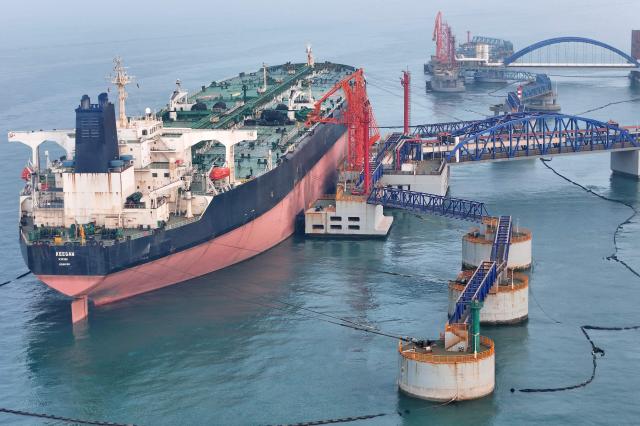
Asia is emerging simultaneously as a major arms supplier and a primary arena for military buildup. China and South Korea now rank among the world’s top 10 arms exporters, while regional demand continues to surge. Japan’s arms imports have jumped 76 percent, and India remains the world’s second-largest importer.
At the same time, dependence on foreign weapons is declining. Imports by China, South Korea and India have all fallen, reflecting growing domestic production capacity and a structural shift toward self-sufficiency.
What was once a strategic preference is becoming a necessity.
In a world where security guarantees are no longer absolute, Asia is no longer waiting.

Copyright ⓒ Aju Press All rights reserved.