Analysts warn that any renewed blockade in the Red Sea or escalation in attacks could send shockwaves through global supply chains and deepen existing logistics disruptions.

The Houthis, part of Iran’s so-called “Axis of Resistance,” previously launched dozens of attacks on commercial vessels transiting the critical Bab el-Mandeb Strait during the Gaza war in 2023, targeting ships linked to Israel and its allies.
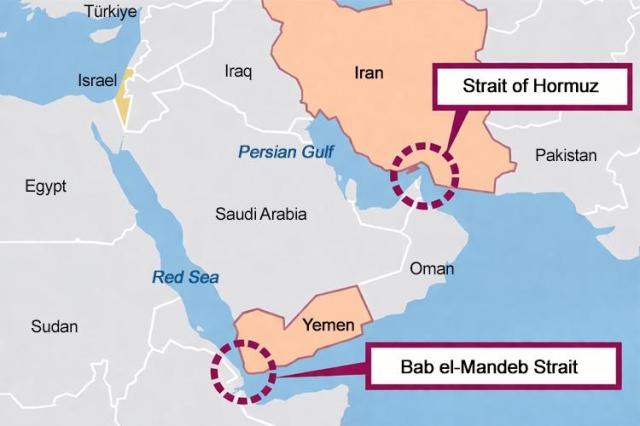
If the terrorist group deploys missiles, drones, or naval mines again against vessels in the strait, global shipping disruptions could worsen significantly.
Such developments would complicate access to the Suez Canal and potentially disrupt oil shipments, including flows through Saudi Arabia’s Yanbu port, which has recently been viewed as an alternative route to bypass the Strait of Hormuz.
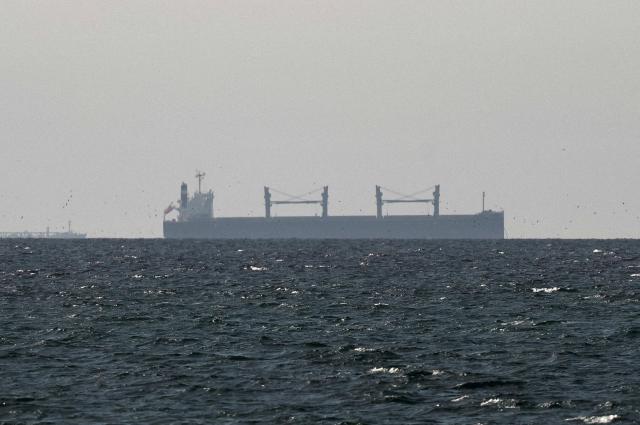
Shipping in the region was already under strain from late 2023, when Houthi attacks prompted major container lines and tanker operators to divert vessels away from the Red Sea and Suez Canal, rerouting them around the Cape of Good Hope at the southern tip of Africa.
Despite tentative plans by some carriers to resume Red Sea operations in recent months, analysts warn that renewed hostilities could halt those efforts.
“The repercussions of the joint military operation will see the further weaponization of trade and shatter hopes of a large-scale return of container shipping to the Red Sea in 2026,” said Peter Sand, chief analyst at freight intelligence platform Xeneta, through Lloyd's of London.
The Red Sea and Suez Canal together handle roughly 15 percent of global maritime trade and nearly 30 percent of container traffic, making the route a critical artery for Asia-Europe shipping.

Freight rates are already reflecting the strain. As of late March 2026, the Shanghai Containerized Freight Index (SCFI) rose 7 percent to 1,826.77, driven by continued Red Sea disruptions and rerouting around the Cape of Good Hope. Asia-Europe and Mediterranean routes saw particularly sharp increases.
Adding to the pressure, 2026 marks the first year of full implementation of the European Union’s Emissions Trading System (EU ETS) for maritime transport. Following a phased rollout — 40 percent in 2024 and 70 percent in 2025 — shipping lines must now cover 100 percent of verified emissions, with voyages from non-EU ports such as Busan to Europe subject to carbon costs for 50 percent of total emissions.
The longer detour routes increase fuel consumption by 30 to 40 percent, while many carriers have adopted high-speed “full steaming” to mitigate delays, further driving up emissions. The combined effect of longer voyages and full ETS obligations is creating a new wave of carbon-related surcharges.
Industry experts warn that these additional costs could weigh heavily on South Korea’s key export sectors, including automobiles and batteries, potentially eroding their price competitiveness in the European market and adding further uncertainty to global trade already strained by geopolitical tensions.

Copyright ⓒ Aju Press All rights reserved.