
Financial firms are using their websites and mobile apps to explain how to apply and outline the schedule ahead of the first round of applications, the industry said April 26. The first round begins with vulnerable groups, and eligibility expands from May 18 to the bottom 70% of income earners. Payments will range from 100,000 won to 600,000 won per person.
Recipients can choose to receive the money through local gift certificates, credit or debit cards, or prepaid cards. Applications can be submitted through card company websites and apps, as well as automated phone systems. Spending will be limited to merchants with annual sales of 3 billion won or less, and use at big-box retailers, department stores and online shopping malls will be restricted.
The financial industry expects many recipients to choose the card option again. With about 70% of last year’s consumer coupons delivered via credit and debit cards, the volume of card payments this time is estimated to reach as much as 6 trillion won.
Even so, beyond basic guidance, customer acquisition events remain scarce. Only a few card issuers, including KB Kookmin Card and Shinhan Card, have launched promotions, while most have limited their efforts to application notices. The same is true for the four major banks—KB Kookmin, Shinhan, Hana and Woori—as well as online banks such as Toss, Kakao and K Bank.
That contrasts with last year, when card companies ran a joint campaign and spent about 2.5 billion won on marketing, including distributing consumer coupons to a total of 310,000 people. This time, similar industrywide efforts have largely not materialized.
Industry officials point to thin margins. Because spending is concentrated at small merchants, card fees are expected to remain in the 0.4% to 1.45% range. With added server operations and system-building costs, turning a profit is difficult. During the 2020 emergency relief program, card companies posted losses of about 8 billion won, the report said.
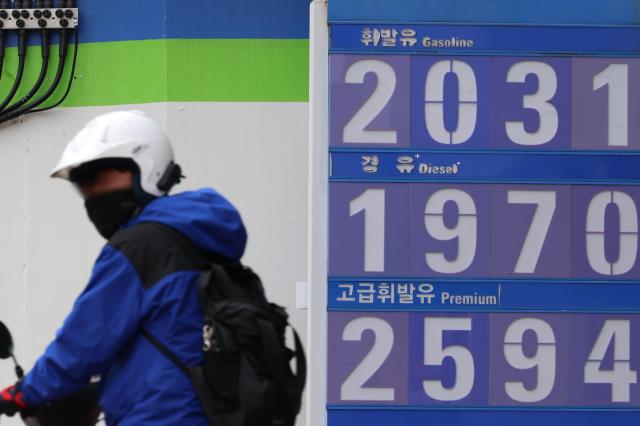
A card industry official said some sectors, including gas stations, already face low fee rates, and that costs can rise further once card benefits such as discounts and reward points are included. “Relief payments are structurally a business where it is hard to expect profitability,” the official said.
* This article has been translated by AI.
Copyright ⓒ Aju Press All rights reserved.