
International oil prices opened the week higher as efforts to restart peace talks over the Iran war remained stalled.
According to Bloomberg, as of 8:17 a.m. Korea time on the 27th, June Brent crude futures were up 1.71% at $107.13 a barrel, while June West Texas Intermediate futures rose 1.69% to $96.00. Both benchmarks were up more than 2% earlier before paring gains.
The move followed disappointment after a second round of U.S.-Iran talks that had drawn attention over the weekend again ended without results. President Donald Trump canceled a planned weekend visit by senior envoys to mediator Pakistan, and Iran said it would not negotiate as long as threats continued.
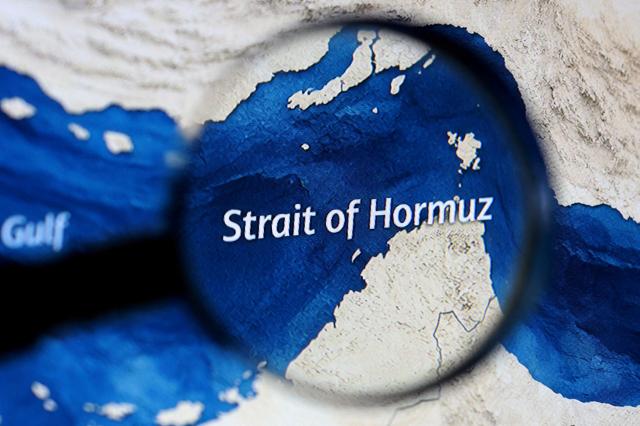
A ceasefire posture has largely held since early April, but the Strait of Hormuz remains effectively closed after both the United States and Iran blocked it, cutting off passage through the strategic chokepoint. The disruption is affecting supplies of oil, fuel, natural gas and even fertilizer, raising concerns about mounting inflation pressure.
Mona Yacoubian, director of the Middle East program at the Center for Strategic and International Studies, said both sides want to avoid an all-out clash but the strait remains shut. “Right now, the standoff is continuing without a clear solution,” she said.
The Iran war has entered its ninth week, pushing up energy prices and triggering shortages of key fuels such as liquefied petroleum gas in India. Airlines have also cut flights, and the International Energy Agency has said the conflict is causing the largest supply shock in history.
Markets are increasingly weighing the possibility that oil prices could become entrenched above $100 a barrel. “As time goes on, the likelihood of a short-term agreement is getting lower,” said Robert Yawger, a managing director at Mizuho Securities. “Oil is likely to trade above $100.”
Traders say if the Strait of Hormuz closure persists, demand will have to fall to match supply that is down at least 10%. A supply loss of about 1 billion barrels is already seen as unavoidable, more than double the emergency reserves countries had released.
The U.S. military has continued maritime interdictions, including blocking sanctioned vessels in the Arabian Sea. U.S. Central Command said 37 ships have changed routes since the blockade began.
U.S. stock index futures were slightly lower amid uncertainty over the U.S.-Iran talks. Dow Jones futures were at 49,280.00, down 0.23% from the previous session, while S&P 500 futures fell 0.17% to 7,178.25. Nasdaq 100 futures were down 0.20% at 27,380.00.
* This article has been translated by AI.
Copyright ⓒ Aju Press All rights reserved.