AI Policy Continuity in Question as Presidential AI Aide Resigns to Run for Parliament
by HAN Joon ho Posted : April 28, 2026, 14:00Updated : April 28, 2026, 14:00
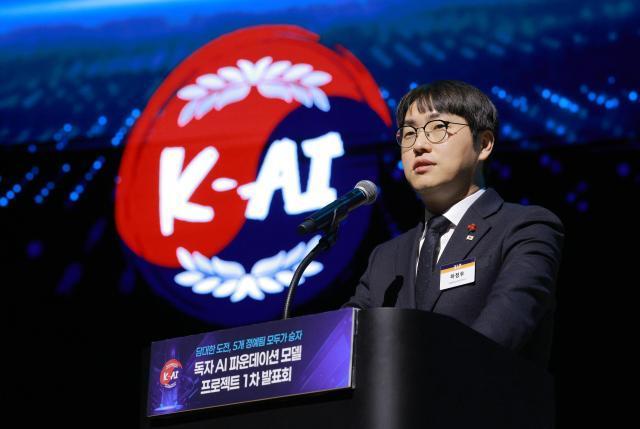
Ha Jung-woo, the presidential office’s senior secretary for AI future planning, has offered to resign and is moving toward a run in the parliamentary by-election in Busan’s Buk-gu Gap district. The Democratic Party is reviewing a strategic nomination process, and the district has emerged as a battleground expected to draw major candidates from the ruling and opposition parties as well as independents.
Ha has been regarded as an expert with experience across the private AI sector and academia. Since joining the presidential office, he has played a central role in coordinating the national AI strategy, driving interagency cooperation and refining an industry development roadmap. With the government positioning AI, along with semiconductors, as a future growth engine, the departure of the dedicated senior secretary is not a routine personnel shift.
Global competition in AI is intensifying rapidly. The United States is expanding infrastructure with big tech and government working together, while China is spreading AI across industries under state leadership. Japan and Europe are also moving quickly to update laws and institutions. South Korea, the editorial argues, cannot afford to leave its control tower vacant because of the political calendar.
Political participation itself is not the issue, it said. Specialists entering the National Assembly to support industrial policy through legislation can be necessary, and the AI era demands lawmakers who understand technology. If Ha advances work on data use, talent development, regulatory reform and expanded computing infrastructure in parliament, it could benefit the country. The question, the editorial said, is not who leaves, but whether the system keeps working after the departure.
South Korea’s policy structure has long been criticized as overly dependent on individuals. Momentum can build under a capable minister or a strong senior secretary, but it has often faded when personnel change. Each change of administration has brought new labels for industrial strategy, and reorganizations have repeatedly sent existing plans back for review. In a field like AI, where long-term investment and consistency are essential, that pattern is especially damaging.
The AI industry cannot be judged by results over one or two years, the editorial said. Building large-scale computing infrastructure, improving the data ecosystem, expanding the power grid, training specialized talent, investing in startups and adopting public services are national projects that take at least five years and often more than 10. If policy direction wavers whenever a responsible official moves for election reasons, companies may delay investment decisions and talent may be more likely to leave for overseas, it said.
The government and the ruling party should quickly complete the selection of a successor, it said, not merely to fill a post but to minimize any gap by appointing someone with industry understanding and coordination skills. AI policy should also be embedded in institutions rather than personal capability, through a whole-of-government framework, annual budget plans, public-private consultation channels and a legislative roadmap with the National Assembly that are set out in clear terms.
The opposition should not treat the issue only as a political fight, the editorial said. If the strategy is meant to endure regardless of which party holds power, it requires bipartisan agreement. Measures such as a special semiconductor law, revisions to data regulations, expansion of power infrastructure and AI talent visa policy should not be judged by partisan advantage, it said, warning that South Korea will fall behind if politics keeps blocking progress while other countries mount all-out efforts.
An individual is free to enter politics, the editorial said, but national strategy should not be shaken by personal moves. In an era of competition over AI sovereignty, what is needed is not a single star player but a national system that keeps operating even when people change. Ha’s resignation should not end as another political headline, it said, but should prompt a review of the durability of South Korea’s AI policy.