
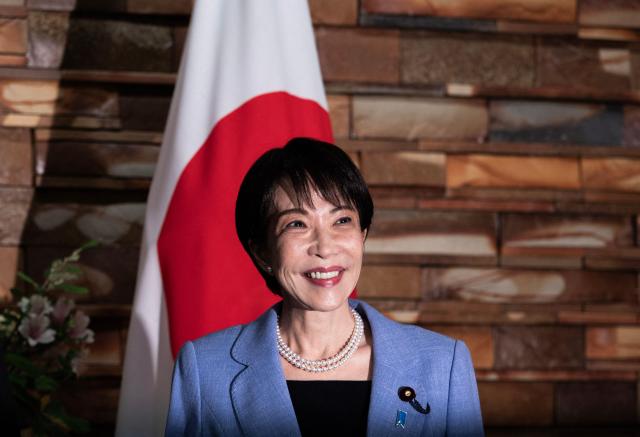
Japan is pursuing an unusual fiscal course: sharply increasing defense spending while also pushing consumption-tax cuts and continuing subsidies, according to a report by the Nihon Keizai Shimbun, or Nikkei, on April 28.
With the Donald Trump administration pressing allies to spend more on defense, many major countries are seeking new revenue or cutting other outlays to pay for it. Japan, by contrast, is trying to do both — fund “guns” and “butter” at the same time, the report said.
According to Nikkei, the Takaichi Cabinet on April 27 launched an expert panel on strengthening defense capabilities. The government plans to pursue revisions this year to the “three security documents,” with expanded defense spending emerging as a central issue alongside policies such as the use of drones and artificial intelligence.
The report said the backdrop is strong pressure from Washington. The United States is calling on allies to raise “core defense spending” to 3.5% of gross domestic product and total security-related spending, including infrastructure, to 5%.
Japan is maintaining its position that it will not present a single total defense-spending figure, instead adding up individual budget items. But as NATO, South Korea and Australia announce plans aligned with U.S. demands, Japan faces a tougher environment for holding out, Nikkei said.
Other countries have already begun tightening budgets. France has moved to strengthen taxation on the wealthy and curb increases in some spending, including education, to support military expansion. Britain has decided to allocate cuts in its foreign aid budget to higher defense spending. Nikkei said the moves reflect deepened awareness of fiscal discipline after the so-called “Truss shock,” which triggered a surge in interest rates.
Australia, too, has announced plans to nearly double defense spending from 59 billion Australian dollars (about 55 trillion won) to 112.1 billion Australian dollars (about 105 trillion won) by fiscal 2035, while considering restraint in spending for a large disability insurance program used by 760,000 people.
Japan is taking a different approach. Under what it calls “responsible, proactive fiscal policy,” the Takaichi administration has kept alive discussions of cutting the consumption tax and has continued gasoline subsidies, citing higher oil prices tied to instability in the Middle East.
Spending is estimated at about 500 billion yen a month, the report said, and there are no parallel steps aimed at curbing demand. With both ruling and opposition parties broadly favorable to tax cuts and expanded spending, political checks are not functioning, Nikkei said.
The approach runs against the classic economic “guns versus butter” tradeoff, in which military spending and domestic programs compete for limited resources. Nikkei noted that there is little domestic pushback against Takaichi’s election pledge to “catch both rabbits at once.”
Concerns about fiscal sustainability remain. When the three security documents were drawn up in 2022, a government advisory body listed “stability of the fiscal foundation” as a precondition for strengthening defense capabilities and stressed the importance of maintaining market confidence.
Keishi Ono, a senior researcher at the National Institute for Defense Studies, told Nikkei that Japan must consider defense, public finances and the economy in an integrated way. He said a strategy is needed that goes beyond simple spending increases, including steps tied to productivity gains such as investment in defense-sector startups.
Nikkei said whether Japan’s “guns and butter” approach can become a sustainable growth model — or instead weaken another pillar of security by undermining fiscal health — is expected to come into clearer view during the planned revisions to the three security documents later this year.
* This article has been translated by AI.
Copyright ⓒ Aju Press All rights reserved.