
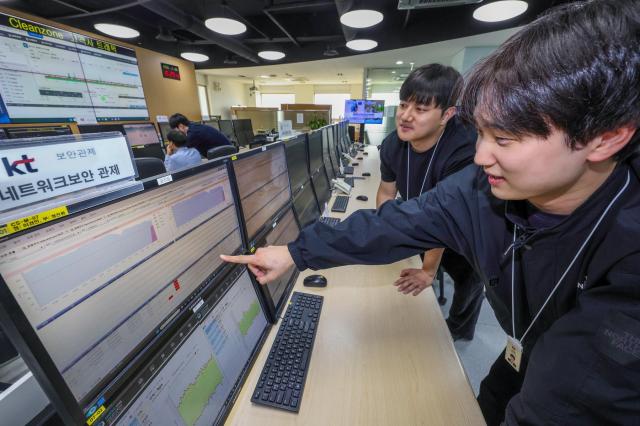
KT said Thursday it will push a sweeping overhaul of its companywide information security system, centered on a newly formed Information Security Office, as it works to restore customer trust. The company said it will shift to an always-on prevention and proactive response posture through an integrated governance structure led by its chief information security officer and chief privacy officer.
KT said it will also upgrade customer protection and complaint-handling systems through its previously launched “Customer Protection 365” task force. The Information Security Office will coordinate with the task force to quickly review and respond to concerns involving customer personal data and to raise protection standards across technology, organization and processes.
To strengthen outside expertise and objectivity, KT said it will form an external advisory committee and build a security ecosystem linked to the security industry and academia.
KT said it will run a companywide consultative body to manage security risks across IT, network and service operations, and will revamp its end-to-end incident response process to enable faster, more consistent action.
The company said it will bolster security management to keep pace with advances in artificial intelligence, including using AI agents for penetration testing. It also plans to enhance integrated security monitoring to improve threat detection and blocking, and to tighten controls across tangible and intangible assets such as in-home devices, outdoor base stations and software.
KT said it will also reorganize its privacy protection framework, refining internal controls under the CPO and strengthening reporting to the board to raise compliance standards.
Lee Sang-woon, KT’s CISO and an executive director, said, “Centered on the Information Security Office, we will build a trust-based foundation that can safely protect customers’ daily lives and data, and establish a security system that supports our transition into an AX platform company.”
The measures follow a hacking incident involving an illegal small base station, or femtocell, that occurred in September last year. The cyberattack using the illegal femtocell exposed subscriber identification information for more than 20,000 users and caused more than 200 million won in unauthorized small-amount payment losses, the company said.
In December last year, KT said it would invest more than 1 trillion won in information security over the next five years to restore customer trust and overhaul its protection systems. It also said it would raise annual information security spending from about 125 billion won to about 200 billion won starting in 2026, focusing on AI-based security technology and infrastructure upgrades.
* This article has been translated by AI.
Copyright ⓒ Aju Press All rights reserved.