
On May 8, Jeju Air announced that it achieved a revenue of 498.2 billion won and an operating profit of 64.4 billion won in the first quarter of this year. This represents a 36.5% increase in revenue compared to the same period last year, while the operating profit turned around from a loss of 35.7 billion won. The net profit for the period was recorded at 12.2 billion won.
Following an operating profit of 18.6 billion won in the fourth quarter of last year, Jeju Air has maintained profitability for two consecutive quarters. This performance is seen as commendable given the challenges faced by most airlines due to high fuel prices and fluctuating exchange rates.
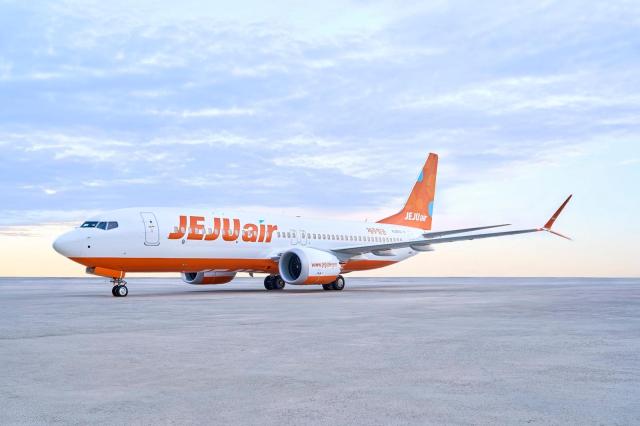
The airline cited improvements in its revenue structure through fleet modernization and an increase in passenger demand as key factors behind its improved results. In the first quarter, Jeju Air added two next-generation B737-8 aircraft to its fleet. It also returned two leased B737-800 aircraft that were over 20 years old in November last year and February this year, and sold two older aircraft in March and April. As a result, fuel costs for the airline decreased by approximately 16% compared to the previous year.
In addition to the 10 B737-8 aircraft currently in its fleet, Jeju Air plans to introduce five more by the end of the year. The number of passengers in the first quarter totaled 3,311,358, making it the leading low-cost carrier in South Korea. The load factor during this period was 91.9%, surpassing the national airline average of 88.8%.
Jeju Air aims to continue its trend of improved performance through efficient route management. To address the uncertainties posed by increased volatility in fuel prices and exchange rates, as well as intensified competition, the airline plans to focus on sound management strategies. A company representative stated, "We will gradually improve our revenue structure based on fleet modernization and efficient route operations."
* This article has been translated by AI.
Copyright ⓒ Aju Press All rights reserved.