
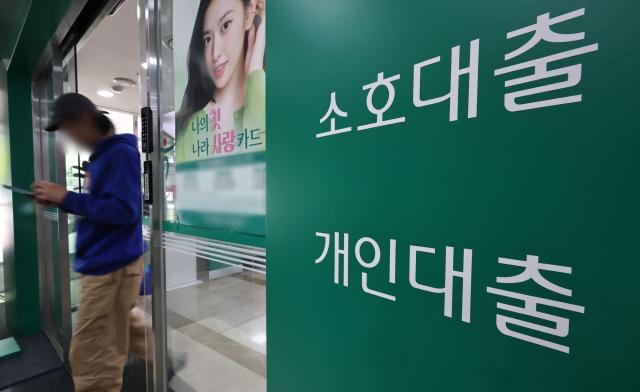
As the banking sector expands its inclusive finance initiatives to support vulnerable borrowers, concerns are growing about the financial burden on institutions. While there is consensus within the financial community on the need to assist disadvantaged groups, there are fears that performance metrics for inclusive finance could become a new standard for oversight and evaluation.
On May 6, President Lee Jae-myung raised this issue during a Cabinet meeting, asking Financial Services Commission Chairman Lee Ok-keun if there was a way to evaluate how well financial institutions are implementing inclusive finance and to provide incentives or penalties based on that performance. He expressed concern that the current system relies too heavily on the goodwill of financial companies.
This comment suggests a potential shift toward incorporating the performance of inclusive finance for low- and medium-credit borrowers into the evaluation and management guidelines for financial institutions. The atmosphere in the financial sector indicates that this could signal a move beyond mere recommendations to a more structured oversight and evaluation system.
Banks have already invested significant resources into expanding support for vulnerable borrowers. The trend of increasing the scale of long-term delinquent loan write-offs and policy-based financial support is evident. This year, the total amount of special bonds scheduled for write-off is estimated at 335.1 billion won, with Shinhan Bank accounting for the largest share at 269.4 billion won, followed by KB Kookmin Bank at 33.5 billion won and Woori Bank at 32.2 billion won.
There is also a surge in demand for policy financing targeting young people, who often lack sufficient credit history to access traditional financial systems. The 'Youth Future Connection Loan,' a notable public-private partnership in inclusive finance, has seen 4.75 billion won disbursed within a month of its launch in March, achieving 134% of its initial target. The average daily application rate reached about 1,700. The funding for this initiative comes from contributions of 100 billion won each from KB, Shinhan, and Woori Financial.
In addition, banks are strengthening their support measures for vulnerable groups. KB Kookmin Bank plans to introduce a program this month that allows low-credit individual business owners to use interest payments on loans exceeding 5% to reduce their principal repayment burden. It is expected that over 10,000 individuals will benefit from this financial relief.
Shinhan Bank has also been implementing a program since January 30 that refunds interest exceeding 5% for individual business customers. Additionally, a 'refinancing loan' aimed at helping customers switch from high-interest loans at savings banks to bank loans is set to launch in the first half of the year.
However, the expansion of inclusive finance is increasing the financial burden on banks. In addition to their own programs, banks are participating in various public funding initiatives. Contributions to the Korea Inclusive Finance Agency have risen from 434.8 billion won last year to 632.1 billion won this year. The scale of policy-based low-income financial support is also expected to grow from 5.6 trillion won in 2024 to 7.2 trillion won this year, marking a 28.5% increase. The amount supplied in just the first two months of this year reached 2 trillion won.
While these measures aim to alleviate the debt burden of vulnerable groups and support credit recovery, some critics argue that the policy burden is becoming excessively concentrated on private financial institutions. There are concerns that inclusive finance could devolve into a mere competition for supply metrics rather than providing genuine support for self-sufficiency. Evaluating success solely based on the scale of supply or debt relief could lead to superficial assistance and increased defaults.
A financial sector representative stated, "There is a need for a system that evaluates inclusive finance based on actual self-sufficiency outcomes, such as normal repayment rates, the rate of return to economic activity after credit recovery, and re-delinquency rates. If the expansion of support continues, the burden on financial institutions will accumulate, ultimately passing those costs onto consumers."
* This article has been translated by AI.
Copyright ⓒ Aju Press All rights reserved.