
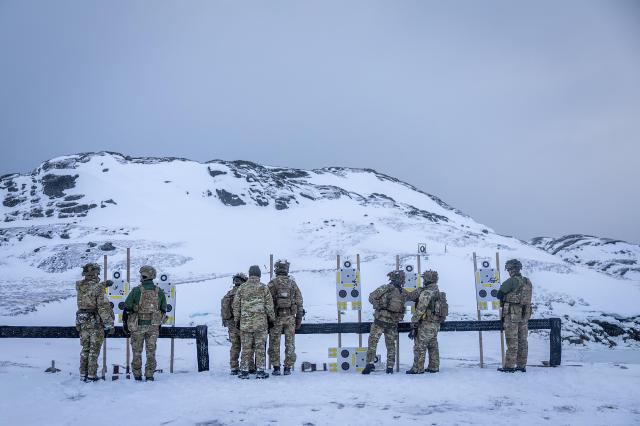
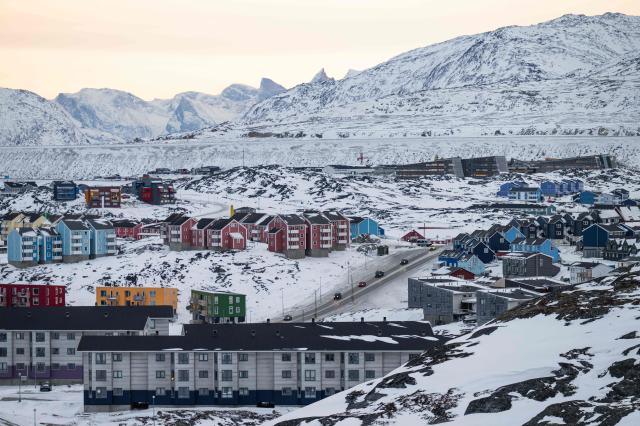
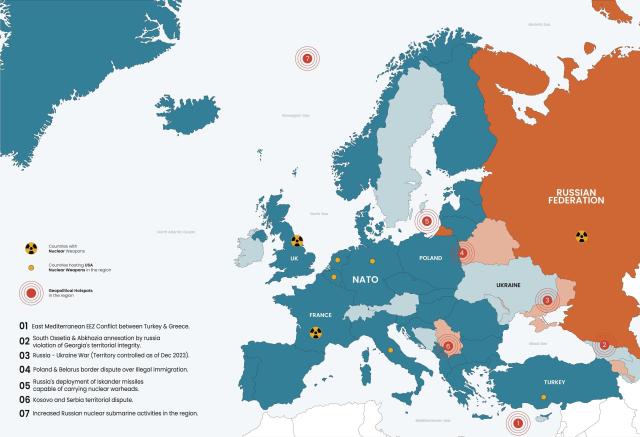
The world's largest island, sparsely populated yet strategically irreplaceable, now sits at the intersection of U.S. missile defense, Russian militarization, Chinese resource ambition and Europe's evolving security posture.
U.S. President Donald Trump's renewed push to assert U.S. control over Greenland — abruptly dialed back this week after a tense standoff with European allies — did not create this competition. But it exposed how fragile the Arctic balance has become, and how little room remains for 19th-century power politics in a 21st-century alliance system.
A strategic island the U.S. never stopped wanting
Greenland's importance to Washington is not new. Since the 19th century, U.S. policymakers have viewed the island as a northern shield. After World War II, President Harry Truman offered Denmark $100 million in gold for sovereignty — an offer Copenhagen rejected but which set the template for decades of pragmatic compromise.
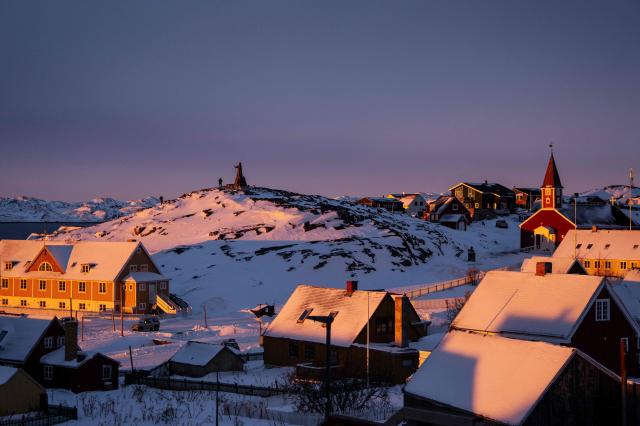
"But Denmark, as a founding NATO member, has consistently accepted U.S. military bases there, including nuclear-related capabilities."
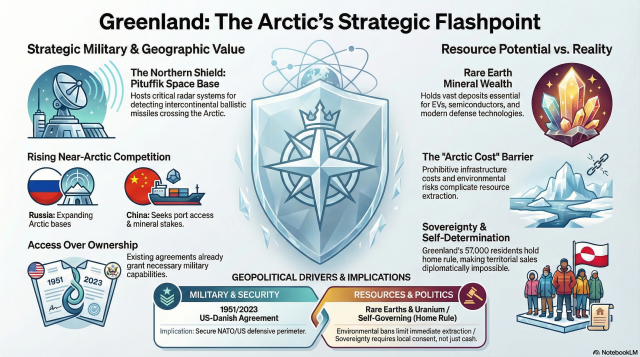
In purely military terms, Washington already has what it needs.
Arctic ice melts — and geopolitics rushes in
What has changed is the Arctic itself. As ice cover recedes, the region is no longer a frozen buffer but a navigable frontier. New shipping lanes promise to cut weeks off voyages between Asia, Europe and North America. Russia has responded by expanding Arctic bases and weapons systems, while China — declaring itself a "near-Arctic state" — has sought port access, research footholds and mineral stakes.
Yet experts stress that none of this requires American sovereignty.
The resource myth — and the reality beneath it
Beneath Greenland's ice lies another temptation: vast deposits of rare earth elements essential for electric vehicles, wind turbines, semiconductors and defense technologies. Sites such as Kvanefjeld are frequently cited as potential alternatives to China's near-monopoly over global supply.
American and European policymakers see opportunity. Greenland’s leaders welcome investment. But the economic story is far less straightforward.
Rare earth ores in Greenland are interwoven with uranium and thorium, creating serious environmental and health risks. In 2021, Greenland's electorate voted in a government that promptly banned uranium-linked mining, halting flagship projects. Infrastructure is minimal. Operating costs — the so-called "Arctic cost" — are punishing.
Even from Washington's perspective, access, not ownership, is the prize. "The U.S. could negotiate rights to critical minerals," said David Smith of the University of Sydney — without redrawing borders.
Why Trump's approach alarmed allies
Despite these realities, Trump revived his Greenland fixation after returning to office, pairing security rhetoric with tariff threats against Denmark and other European states. At one point, European officials openly discussed the risk — however remote — of U.S. coercion.
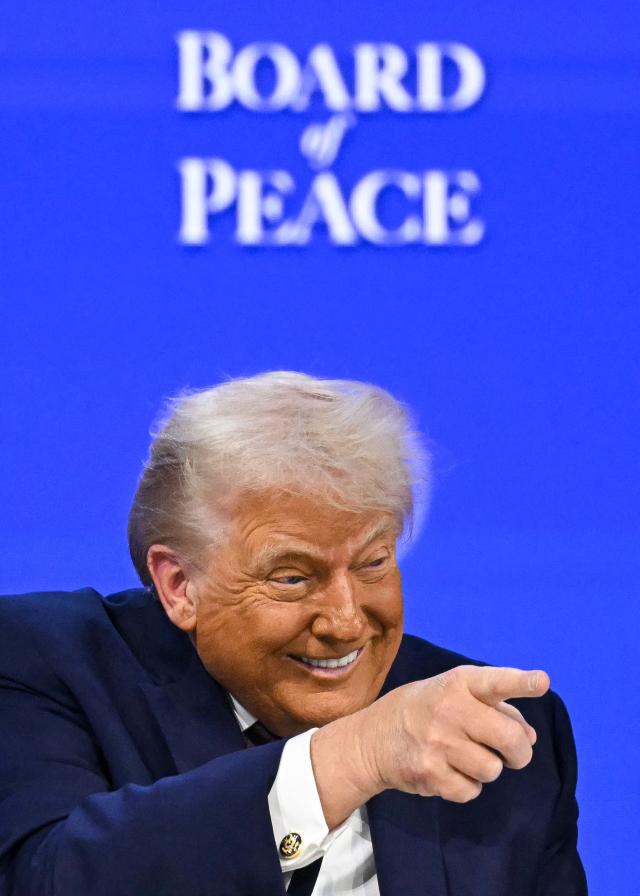
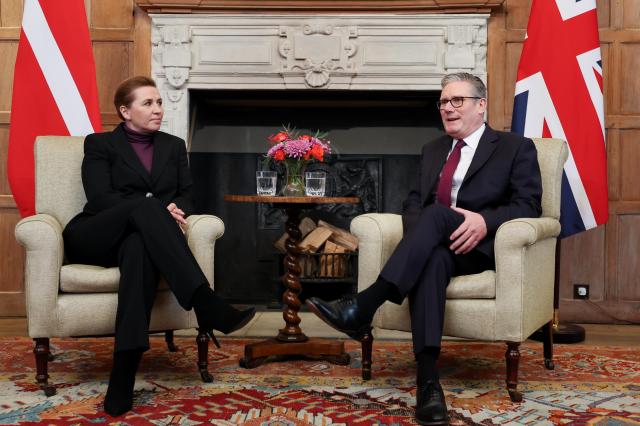
That prospect collapsed this week at Davos, where Trump announced a vague "framework for a future deal" after meeting NATO Secretary-General Mark Rutte, dropping tariff threats and insisting force would not be used.
The episode ended not with conquest, but with deterrence.
"There is no public support in the U.S. for such a move," Miller said. "The economic consequences could be catastrophic, and there is strong opposition within the U.S. military."
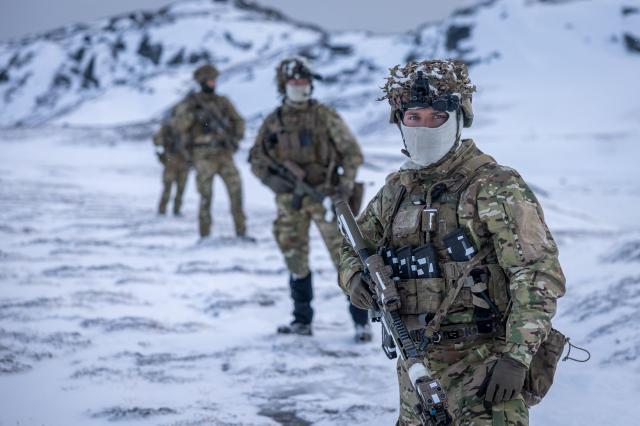
Europe's response — dispatching troops, hardening rhetoric and signaling economic retaliation — mattered. "The Europeans won," Wæver said. "Not militarily, but economically and politically."
The sovereignty line that cannot be crossed
What Trump's gambit ultimately collided with was not just NATO resistance, but a post-colonial norm: territory is no longer bought, sold or seized without the consent of its people.
"There's a reason territorial purchases hardly happen anymore," Smith said. "National self-determination is the norm. Even the Trump administration seems to recognize that Greenlanders must have a say."
The likely outcome now is incrementalism: expanded U.S. basing rights, greater NATO presence, limited resource cooperation — possibly modeled on U.S. compacts with Pacific island states. Everything short of sovereignty.
The Arctic lesson
Greenland's moment reveals a broader truth about the Arctic. The region is not just a security theater or a resource vault. It is an ecosystem, a homeland and a diplomatic stress test. Hard power can seize land. It cannot legitimize it, insure it, or integrate it into global supply chains.
As the ice melts, access will matter more than ownership — and trust more than threats.
Trump's retreat underscores that reality. The Arctic may be warming rapidly. But the rules governing it have not melted nearly as fast.
Copyright ⓒ Aju Press All rights reserved.
