

Since the killing of Iran's former supreme leader Ali Khamenei shortly after the Feb. 28 U.S.-led military operation, senior Iranian military figures have been targeted and killed, and key military sites including nuclear facilities and ballistic missile bases have been destroyed.
About 3,000 sites in Iran have been reportedly destroyed, and around 1,300 civilians have been killed including 168 elementary schoolgirls. More than 20 Iranian naval vessels are said to have been sunk, killing hundreds of sailors.
Airstrikes have expanded to hit industrial and civilian infrastructure including oil storage facilities and refineries, prompting Iran to respond with retaliatory drone and missile attacks on energy and strategic sites in neighboring Gulf countries.
Tehran, a city of some 10 million, has been shrouded in thick black smoke, with oily residue from destroyed oil facilities raining down on the capital and worsening severe pollution and water shortages.
With civilian casualties rising and oil prices surging, calls for an immediate end to the war have grown louder, but Trump and Israeli Prime Minister Benjamin Netanyahu have only become more hardline.
Trump's early confidence that the war would last just a few weeks has faded, replaced by talk of a weekslong conflict, possible ground operations, regime change, unconditional surrender, and threats to kill any new supreme leader not approved by him.
Analysts see little room for diplomacy, as the United Nations' influence wanes, international law loses its teeth, and meaningful mediation hard to come by.
But the question remains. Why did the U.S. launch the military operation codenamed "Operation Epic Fury," even as nuclear talks in Geneva were reportedly making "positive progress," according to Oman's foreign minister and the head of the International Atomic Energy Agency just two days earlier.
Behind the war lies Israel's influence. Netanyahu has long opposed limited nuclear deals with Iran, arguing they fall short of his goals dismantling Iran's nuclear and missile programs and weakening the regime's grip on power, pushing Washington toward a more confrontational path.
Iran's internal unrest may also have emboldened Trump. Crippled by U.S. sanctions, the country was already buckling under economic paralysis, with protests over livelihoods spreading even among the regime's traditional supporters. Its brutal crackdown only deepened the crisis, what many described as the gravest challenge the regime has faced since coming to power in 1979.
After three years of war in Gaza and with Israel effectively controlling most of the West Bank, territory long envisioned for a future Palestinian state, Netanyahu came to see Iran as the last major obstacle standing in his way.
Some 151 countries including many in Europe, recognize Palestinian statehood, while Netanyahu faces an arrest warrant over the Gaza war. With an early general election looming in October, he may have felt an urgent need to bolster domestic support.
Public sentiment in Iran seems to be shifting from hope to fear to anger. After 37 years under autocratic, one‑man rule, many had expected democratic reforms and better living conditions. Instead, their protests were met with a brutal crackdown that has cost thousands of lives.
But as U.S. strikes expanded beyond military targets, killing large numbers of civilians, anti-American and anti-Israeli sentiment surged sharply.
The best scenario, as some argue, would be for Trump to end the war quickly after finding a way to declare victory. But instead, Trump is considering deploying ground forces, demanding Iran's complete surrender.
Otherwise, ending the war would be difficult for both Iran's leadership and its people, given Iran's long, 2,500‑year history and collective memory of enduring an eight‑year war with Iraq, during which the U.S. backed Iraq, and decades of crippling sanctions since 1979.
Iran has blocked the Strait of Hormuz, disrupting oil and gas flows and pushing prices toward US$150 a barrel. The global economy is feeling the strain, with South Korea among the hardest hit, nearly 80 percent of its crude oil comes from the Middle East.
Iran has also established a succession structure, with a three-person interim authority now in place. Iranian clerics have named Mojtaba Khamenei, the second-eldest son of the late leader, as the next supreme leader. The choice of a hardline conservative signals a determination to fight on.
Even if the war ends, Iran's economic crisis leaves it with only one option, negotiation and compromise with the U.S., as no government would survive indefinitely under American sanctions and blockade.
As war fatigue grows and global economic strain deepens, two things are worth watching. The first is whether the U.S. and Israel will accept Mojtaba as a negotiating counterpart. If he is killed, anger inside Iran could deepen, making the conflict harder to contain and far more prolonged. The second is whether the U.S. will deploy ground forces. A plan to send a U.S.-backed Kurdish militia into Iran appears to have stalled, hampered by infighting among Kurdish factions as well as objections from the Iraqi and Turkish governments.
Instead, the U.S. is reportedly preparing elite special forces to seize and destroy Iran's enriched uranium stockpiles. Any ground deployment, however, carries serious risks and could turn the conflict into a long, costly war.
There is still no clear exit, but extending the war indefinitely would also burden Trump ahead of the midterm elections in November, given negative U.S. public opinion and his emphasis on presenting himself as a peace broker.
But Netanyahu will likely keep pushing Trump to maintain military pressure, arguing that Iran must be thoroughly weakened to prevent it from threatening Israel again, and he has also vowed to continue offensive operations across the region.
Nevertheless, a possible breakthrough could come from Trump's upcoming summit with Chinese leader Xi Jinping, scheduled later this month in Beijing.
China, which buys roughly 80 percent of Iran's oil exports, holds the greatest leverage over Tehran and is actively mediating. As the war grinds on, South Korea is also urged to take a more active diplomatic role in pursuit of peace.
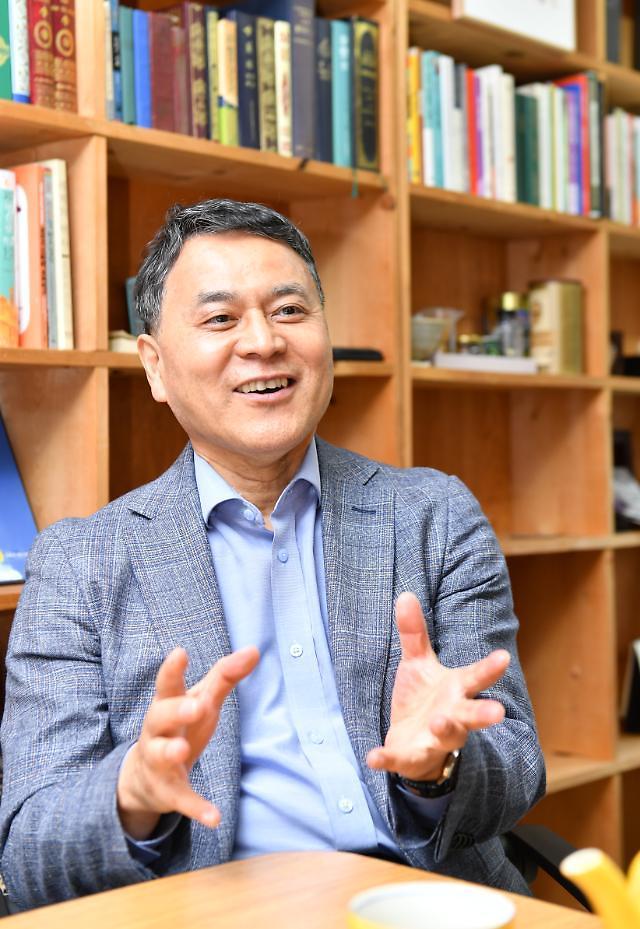
Lee Hee-soo, an emeritus professor at Hanyang University
Copyright ⓒ Aju Press All rights reserved.
