
At the 68th ceremony, K-pop-linked artists and works appeared across multiple nominations, signaling growing institutional comfort with the genre. Yet when the night ended, the Grammys remained — as they have long been — tantalizingly within reach.
The most symbolic breakthrough came not from a performance category, but from behind the scenes. “Golden,” an original song from Netflix’s animated film K-Pop Demon Hunters, won Best Song Written for Visual Media, marking the first Grammy victory tied to a Korean-origin music production. Crucially, the award recognized songwriting and production, not chart power or stage presence — a rare acknowledgment of Korean creators’ craft rather than their commercial momentum.
Major U.S. outlets took note. The New York Times framed the win as a corrective to K-pop’s long absence from Grammy history, while AP News underscored its status as the first Grammy win by a K-pop-linked project.
If the trophies were scarce, the visibility was not.
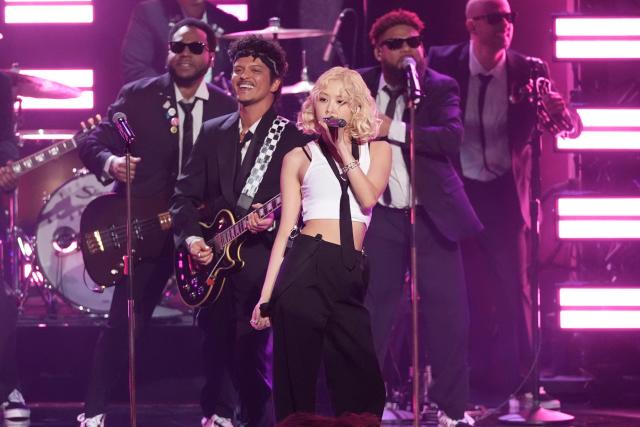
ROSÉ delivered a polished live debut with Bruno Mars, performing “APT.” — the first main-stage Grammy performance by a K-pop female soloist. Despite nominations across three major fields, the song ultimately went home without a win, a reminder of how unforgiving the top Grammy categories remain.
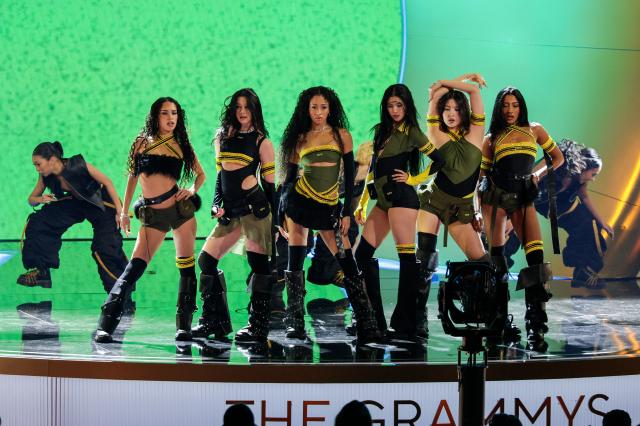
Rookie girl group KATSEYE also made its Grammy stage debut as part of the Best New Artist showcase, performing “Gnarly.” Formed through a hybrid K-pop training system backed by HYBE and Geffen Records, the group was nominated for Best New Artist, an award that went to Olivia Dean.
Critics and fans largely agreed: the absence of trophies did little to dull the night’s significance.
Two K-pop acts appearing in core Grammy contexts in the same year marked a clean break from the past. This was no longer about a singular breakthrough or novelty moment, but about sustained presence — a recalibration of how K-pop fits into the Grammy ecosystem.
Much of that recalibration traces back to BTS. Through repeated nominations and high-profile standalone performances in the early 2020s, the group redefined how non-English-language artists could occupy the Grammy main stage. While a major Grammy win has so far eluded them, their groundwork made space for artists like ROSÉ, KATSEYE and Korean-produced content to be taken seriously within the institution.
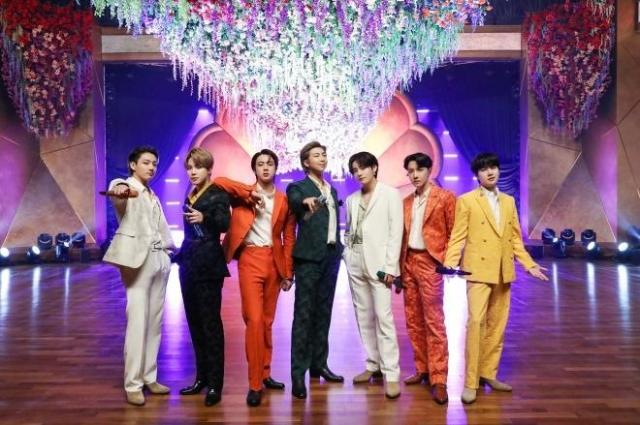
That context matters as BTS prepares a full-scale return in March.
The group’s comeback tour — spanning 34 regions and more than 80 shows — has already sold out stadiums worldwide, with roughly 2.4 million tickets snapped up across 41 venues. Additional dates are being added amid explosive demand, drawing attention well beyond the music industry.
Seen this way, the 2026 Grammys were less a verdict than a positioning exercise. The trophies remain just out of reach, but closer than ever. By the time BTS winds down its Arirang album tour and the next Grammy night arrives, the distance may no longer feel teasing — but measured in inches rather than miles.

Copyright ⓒ Aju Press All rights reserved.