SEOUL, February 21 (AJP) - The White House has made a decision that could provide significant relief for South Korean manufacturers, announcing Friday (local time) that it will exclude passenger cars and critical minerals from a new 10 percent import tax.
The exemptions were included in a proclamation for a new temporary import surcharge that takes effect at 12:01 a.m. on February 24. This new policy follows a United States Supreme Court ruling earlier that day that struck down the centerpiece of President Donald Trump's previous tariff program.
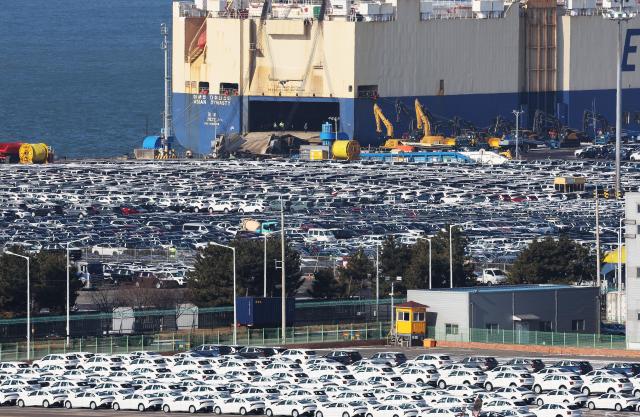
For South Korean automakers, the exemption offers a double benefit by protecting their price competitiveness in the US market while ensuring a stable supply of materials. Since passenger cars and their components are excluded, companies like Hyundai Motor and Kia can continue shipping vehicles to the US without the burden of the new 10 percent surcharge.
Also, the decision to exempt critical minerals used in electric vehicle batteries helps South Korean firms maintain their production costs and meet US domestic content requirements for federal tax credits.
According to the official announcement, the list of items exempt from the tax includes passenger cars, buses, and the parts used to build them. Certain products for the aerospace industry and specific electronics are also excluded from the new costs.
The administration also decided not to tax natural resources, fertilizers, and minerals that cannot be found or produced inside the United States. These exemptions are particularly important for South Korean carmakers and battery manufacturers. These companies rely heavily on imported critical minerals and had faced rising costs under the previous "reciprocal" tariff system that the court invalidated.
Trump signed these new measures after the Supreme Court decided that the president does not have the legal power to create new taxes on imports using an emergency law called the International Emergency Economic Powers Act (IEEPA). The court ruled 6-3 in the case Learning Resources, Inc. v. Trump that only the US Congress has the power to create such taxes.
To keep his trade policies in place, Trump used a different law called Section 122 of the Trade Act of 1974. This law allows a president to set temporary import taxes for up to 150 days to deal with national economic imbalances.
The South Korean government has started a close review of the list of exempt products. Officials in Seoul plan to meet with business leaders to see how the new 10 percent tax and the exemptions will affect trade and the large investments South Korean companies have made in the United States.
While the new 10 percent tax replaces the older system, the White House also ordered that small packages sent through the mail will no longer be tax-free. These small shipments, known as de minimis entries, will now be charged the 10 percent tax to make sure all imports are treated the same way under the new rules.
Copyright ⓒ Aju Press All rights reserved.