

Editor’s Note — As BTS prepares to return as a full seven-member act with a new album set for March 20 and an open-stage performance at Gwanghwamun on March 21, following a near four-year hiatus for rotational military service, AJP revisits the group’s 13-year trajectory. This series reexamines BTS’s history, music, performance identity and enduring appeal. The eight installment traces the roots and growth of Jungkook.
SEOUL, February 27 (AJP) - They sing about love, self-worth and empathy. At the same time, BTS members are adults with private lives that occasionally surface in public view.
A late-night livestream by BTS member Jungkook on Feb. 26 prompted debate across fan communities, highlighting the tension between authenticity and expectation in global pop culture.
Jungkook went live at approximately 3:40 a.m. KST (0640 GMT) on fan platform Weverse and streamed for about 90 minutes. The broadcast began informally, with Jungkook drinking alongside his older brother and acquaintances. He spoke about recent activities and preparations for BTS’ upcoming “ARIRANG” comeback, later shifting to a more candid tone about feeling busy and under pressure.
Some segments of the livestream drew criticism. Viewers cited instances in which he used profanity, made an obscene hand gesture toward friends and responded firmly to fans who urged him to end the broadcast due to his intoxicated state. Jungkook told viewers not to dictate what he could or could not do.
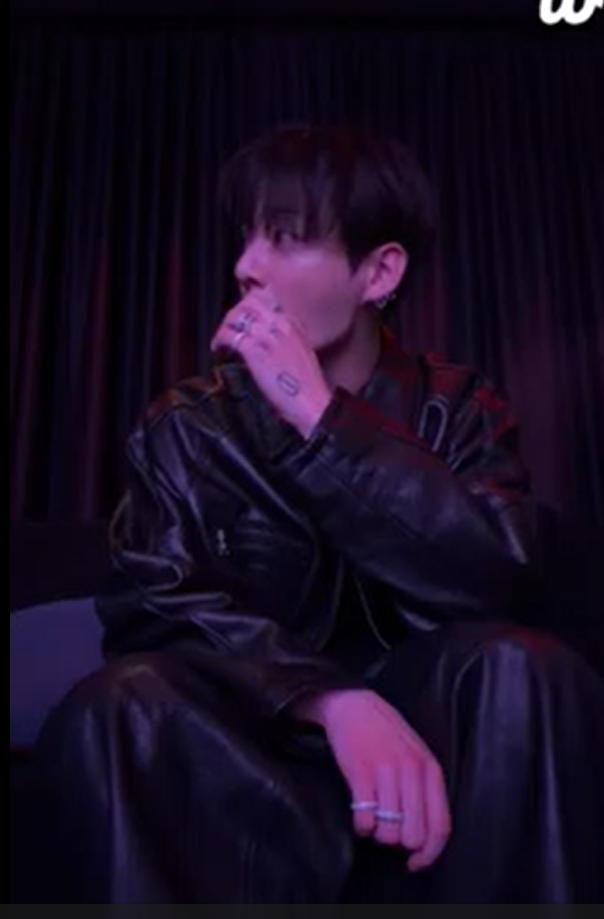
Shortly after the livestream ended, Jungkook posted a selfie on Weverse with the message: “The album is coming up soon. Please wait a little bit more. I’ll do my best when we make a comeback. I love you,” followed by seven purple hearts. A recording of the livestream was later removed from the platform.
A divided response
Reaction was immediate and varied.
A full recording reposted on YouTube accumulated roughly 340,000 views, 14,000 likes and more than 2,500 comments. On X (formerly Twitter), discussion posts circulated widely.
Korean-language reactions tended to express concern. Some users questioned Jungkook’s judgment, arguing that public figures representing a global group carry added responsibility. One longtime BTS-focused YouTube account with more than 44,000 followers announced it would stop uploading new content, citing disappointment, while leaving existing videos online.
English-language responses often emphasized personal autonomy and stress. Several users described Jungkook as appearing tired or frustrated, while others stated that as an adult he has the right to live privately as he chooses.
The contrast reflected differing expectations across segments of the fandom.
Established livestream identities
Some fans framed the incident within BTS’ long-standing livestream culture. One widely shared X thread analyzed each member’s communication style during broadcasts, describing Jungkook’s persona as more informal and friend-like compared to other members’ more structured or measured approaches.
Such interpretations suggest that fan expectations are shaped by perceived consistency. When tone or behavior diverges from that established image, reactions intensify.

Career context
Born Jeon Jungkook on Sept. 1, 1997, in Busan, Jungkook entered the entertainment industry as a teenager. After auditioning for the television program “Superstar K,” he received offers from multiple agencies and chose Big Hit Entertainment.
He debuted in 2013 as the youngest member of BTS at age 16 internationally (17 in Korean age). Known as the group’s “Golden Maknae,” he serves as main vocalist and a central performer.
As a solo artist, Jungkook achieved measurable commercial milestones. In 2023, “Seven (feat. Latto)” debuted at No. 1 on the Billboard Hot 100. Subsequent singles “3D (feat. Jack Harlow)” and “Standing Next to You” both reached the top five. His album “GOLDEN” peaked at No. 2 on the Billboard 200 and charted for 25 weeks. “Seven” also topped the Billboard Global 200 and remained on global charts for an extended period.
Brand partnerships have included global campaigns for Calvin Klein and associations with luxury brands such as Chanel and Hublot.
That level of visibility amplifies scrutiny. Informal interactions, including livestreams, are often interpreted within the broader context of global brand representation.

Public access and expectation
BTS’ global rise has been closely linked to direct digital communication with fans. Livestreams have served as a primary channel for real-time engagement.
However, increased accessibility can heighten expectations of conduct. For artists who have grown up under sustained public attention, the boundary between personal expression and public responsibility remains narrow.
Whether the Feb. 26 livestream is remembered as a minor controversy or a transitional moment may depend less on the broadcast itself and more on subsequent public and professional developments.
In global pop culture, authenticity and accountability frequently coexist.
How audiences interpret that balance continues to evolve.

Copyright ⓒ Aju Press All rights reserved.
