
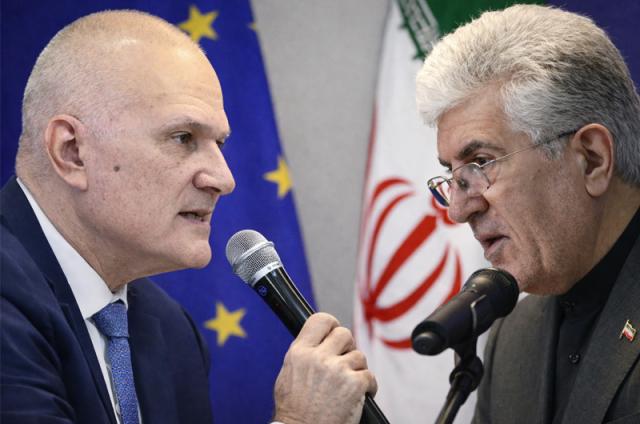
SEOUL, March 05 (AJP) - The war unfolding across the Middle East may be thousands of miles away from Seoul, but its shockwaves are being felt sharply in the capital of South Korea.
Rockets are flying across borders in the region with no sign of the conflict abating. On the far eastern edge of the globe, the repercussions are unfolding in diplomatic halls, financial markets and even gas stations across the South Korean capital.
A Tale of Two Embassies
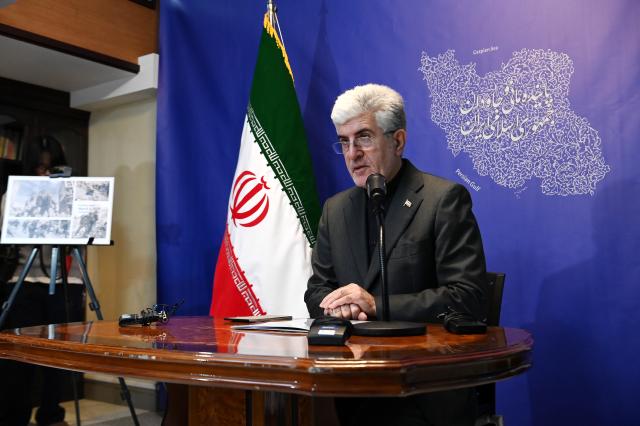
At 10 a.m. Thursday, Iran’s ambassador stepped to the microphone inside the Iranian Embassy in Itaewon.
“The attack is a clear violation of international law,” the ambassador said, unleashing a sharp denunciation of Israel and the United States.
The briefing ran long. What had been scheduled as a short press conference stretched well past noon as journalists pressed for answers on Iran’s next move and the risk of a wider war.
Yet even before the Iranian envoy finished speaking, another diplomatic confrontation was already unfolding across the city.
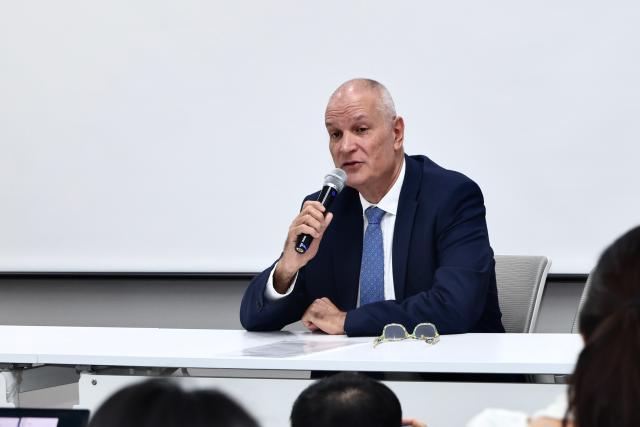
At 11 a.m., Israel’s ambassador faced reporters at the HJ Business Center near Gwanghwamun.
“We could no longer tolerate Iran’s nuclear threat,” he said, defending the strikes and accusing Tehran of destabilizing the region.
Two ambassadors. Two narratives. On the same day, in the same city, each laying out opposing justifications for a war that shows little sign of diplomatic resolution.
Markets Reeling, Government Scrambling
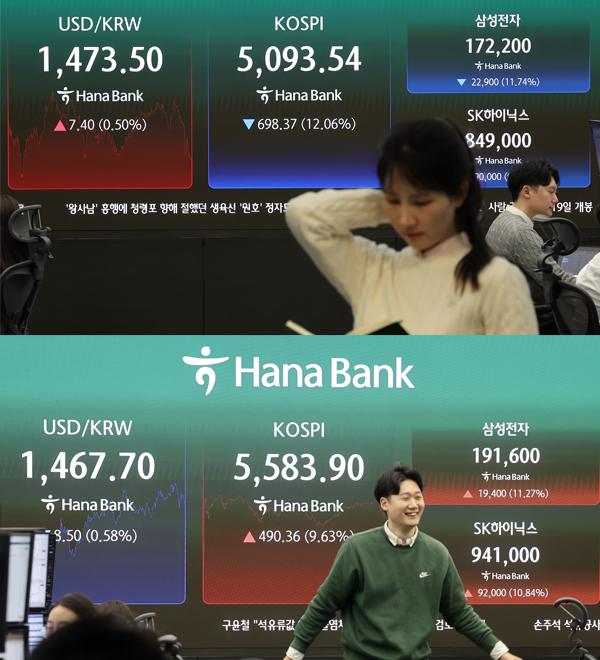
While diplomats traded accusations, South Korean authorities were scrambling to contain financial turmoil triggered by the Middle East conflict.
Emergency meetings stretched across government agencies after Seoul’s stock market suffered one of its steepest sell-offs in decades.
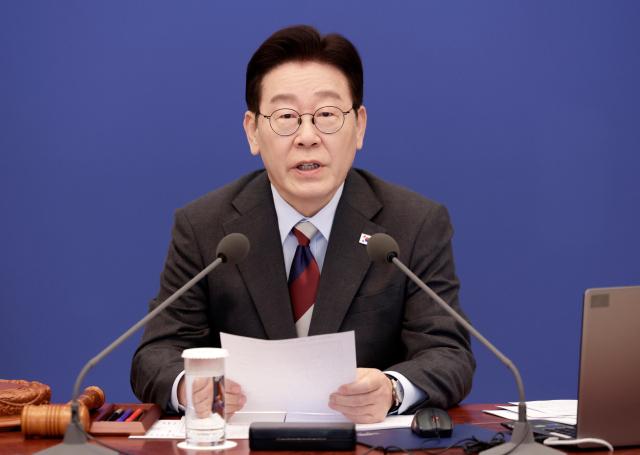
President Lee Jae Myung ordered the immediate deployment of a 100 trillion won ($68 billion) market stabilization program, while instructing regulators to crack down on oil hoarding and price manipulation.
The measures helped trigger a dramatic rebound.
On Thursday, the KOSPI surged 9.63 percent, recovering much of the previous session’s historic drop of more than 12 percent. The tech-heavy KOSDAQ jumped about 14 percent, reversing an equally steep fall.
The Korean won also stabilized slightly, with the dollar trading around 1,466 won after briefly approaching 1,480 the previous day.
Oil Shock Reaches the Streets
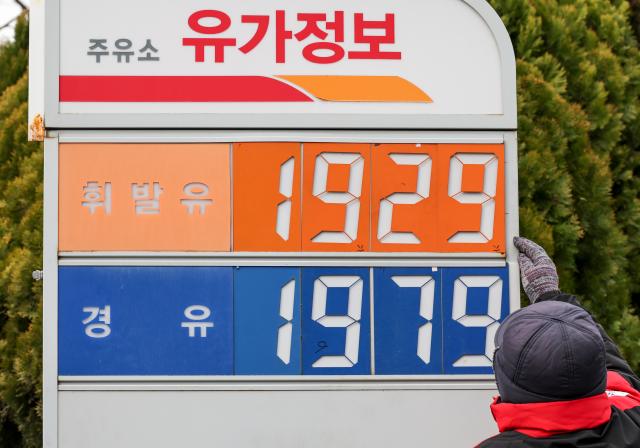
The ripple effects were not confined to financial markets.
As global oil prices surged — with Brent crude rising above $81 a barrel — gas stations across Seoul began raising prices through the afternoon.
South Korea imports more than 70 percent of its crude oil from the Middle East, making the country particularly vulnerable to disruptions in the Strait of Hormuz, the strategic shipping lane through which much of that oil passes.
The spike in energy prices, combined with a weaker currency, threatens to push up import costs across the economy.
A War 3,700 Miles Away — Felt at Home
Analysts warn that if the conflict expands or disrupts energy flows through the Gulf, the economic impact could deepen quickly for Asia’s fourth-largest economy.
For many Seoul residents, the geopolitical crisis came into focus not through diplomatic statements or market charts, but through everyday costs — the price displayed on a gas pump or the volatility flashing on a smartphone trading app.
At the very moment the two ambassadors traded sharp accusations in Gwanghwamun and Itaewon, motorists across the city were watching fuel prices climb.
A war more than 3,700 miles away had suddenly become impossible to ignore.

Copyright ⓒ Aju Press All rights reserved.
