SEOUL, March 13 (AJP) — Hotel rooms with views overlooking Gwanghwamun Square were the first to sell out and are still sought at steep premiums as foreign fans treat BTS’s upcoming comeback concert as a once-in-a-lifetime event.
“Some foreign guests ask if they can rent the hotel’s rooftop pool area to watch the concert. Some even say they’re willing to pay a rental fee as a group,” said Kim Kyllian, a manager at Somerset Palace Seoul near Gwanghwamun.
Many guests, he added, are specifically asking whether rooms facing Gwanghwamun Square are still available on the day of the performance.
The phenomenon reflects what the global music industry increasingly calls the “concert economy.” Large-scale tours by superstar artists can generate significant spillover spending in host cities — boosting demand for hotels, restaurants, transportation and tourism services.
U.S. pop star Taylor Swift’s recent global tour produced such economic effects that analysts coined the term “Swiftonomics.” Swift is estimated to have built a fortune of around $1 billion through touring, music royalties and real estate, with her concerts widely credited for lifting tourism spending in host cities.
While on a smaller scale, BTS is generating similar ripples in Seoul.
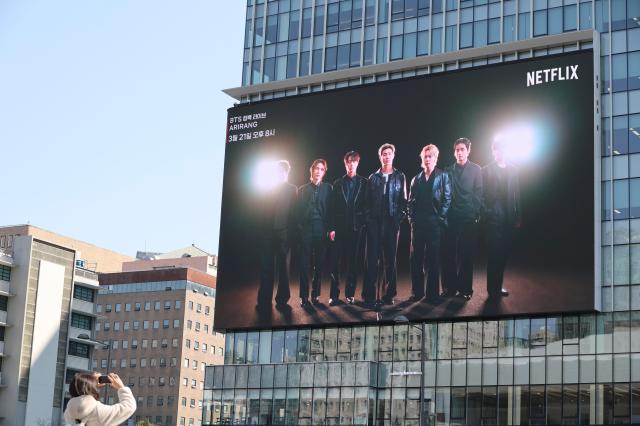
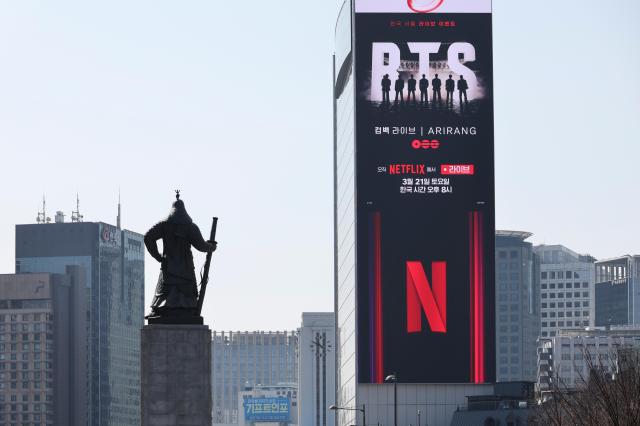
Ahead of the group’s comeback concert scheduled for March 21 at Gwanghwamun Square, accommodation prices around the venue have surged while reservations fill rapidly.
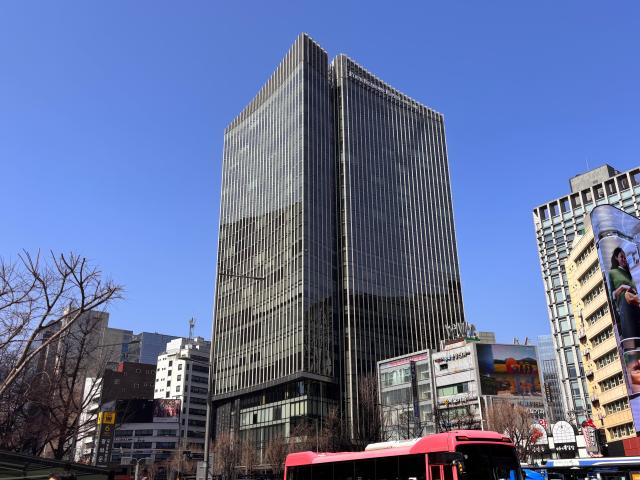
According to AJP’s reporting, the average weekend room rate at Lotte Hotel Seoul is typically around 540,000 won, but rises to roughly 960,000 won on the concert date.
Shilla Stay Gwanghwamun has climbed from about 270,000 won to 620,000 won, while Koreana Hotel jumped from roughly 320,000 won to about 1.35 million won. At Monthliv Jongno Jonggak Station Hotel Stay, rates increased from around 250,000 won to about 450,000 won.
Somerset Palace Seoul was fully booked for March 20 and 21 — the night before and the day of the concert — more than one to two months in advance.
“We’ve been receiving booking requests from a wide range of countries, including Japan, North America and South America,” Kylian said.
At The Westin Josun Seoul, PR manager Soojin Bae said the hotel is also fully booked, with reservations made well ahead.
“Room rates have increased by about 10 to 20 percent,” she said, adding that more than 80 percent of current guests are foreigners, though she noted the surge was not necessarily tied solely to the concert.
Demand has spread to nearby districts as well.
Hotels in Myeongdong, about a 20-minute walk or 10-minute drive from Gwanghwamun Square, are seeing similar spikes.
Room rates at Hotel Thomas jumped from around 310,000 won to roughly 1.09 million won — an increase of more than 250 percent.
Even smaller accommodations are feeling the surge.
Hana Days Jongno-Gwanghwamun, a two-star hostel near the square known for its modest prices, had only one triple room left two days before the concert, with nightly rates reaching about 530,000 won.
A manager at Soo Song Guest House near the venue said some visitors specifically requested rooms facing the square, with Japanese tourists making up a large share of bookings.
“We didn’t even realize there was going to be a concert at first,” the manager said. “One day we suddenly became overbooked, and only later we realized that a BTS performance had been announced.”
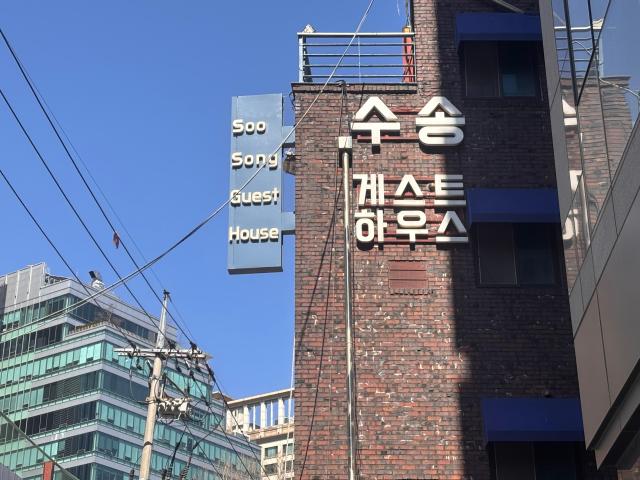
The guesthouse was already fully booked even before the concert date was officially confirmed, the manager added. Although online reservations closed once rooms sold out, inquiries have continued, with roughly five additional groups contacting the guesthouse seeking availability.
Hotels in nearby Itaewon, a district popular with international visitors about a 20-minute drive from the venue, are also seeing an influx of foreign guests.
A manager at Hamilton Hotel said the number of international customers during the concert period has increased about 40 percent compared with typical levels.
At A-One Hotel nearby, standard room rates have risen from about 170,000 won a month ago to around 300,000 won for the concert date.
Not all hotels, however, attribute the surge entirely to the BTS event. Officials at Four Seasons Hotel Seoul said most of its rooms had already been booked due to the spring high season, noting that the concert was only one of several factors affecting occupancy.
Still, the pattern reflects how large K-pop concerts increasingly ripple beyond the stage.
As fans travel across borders to attend performances, demand for accommodation, transportation and local tourism rises around host cities — offering a glimpse of how a single show can generate its own kind of “BTSnomics.”

Copyright ⓒ Aju Press All rights reserved.