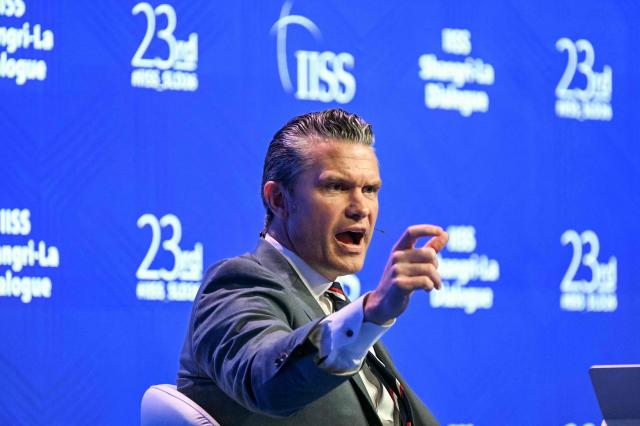
Speaking to reporters in Singapore on the sidelines of the Shangri-La Dialogue security summit Saturday (local time), Hegseth said the matter of the Strait of Hormuz had surfaced repeatedly in his bilateral talks. "The blockade is very much still in place," he said, adding that the waterway would become "a toll-free strait that the entire world can use, which is the way it should be."
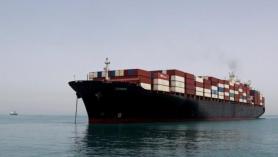
Hours earlier, U.S. Central Command said its forces had fired a missile at the Gambian-flagged merchant vessel M/V Lian Star, which was steaming through international waters in the Gulf of Oman toward an Iranian port. The command said the crew was warned more than 20 times before the strike disabled the ship.
The vessel was knocked out of action and is no longer bound for Iran, military officials said. They did not disclose whether anyone aboard was hurt. It was the fifth commercial ship CENTCOM has disabled since the blockade began about mid-April.
Asked whether Washington might permanently pull troops from Middle Eastern bases struck by Iran, Hegseth deferred to the White House, saying such calls rested with President Donald Trump and would hinge on the outcome of the talks. For now, he said, the focus was on staying postured to strike again if needed.
On Taiwan, Hegseth said U.S. policy was unchanged even as he acknowledged China's military buildup, reiterating Trump's line that Washington stood in its strongest position yet across the Pacific. Trump has said he discussed arms sales to the island with Chinese leader Xi Jinping but has not approved further transfers.
Pressed on whether the United States would deliver Virginia-class submarines to Australia on schedule under the AUKUS pact, due to begin in 2032, Hegseth said he believed it would, despite domestic doubts over whether the boats would meaningfully deter China's navy.

Copyright ⓒ Aju Press All rights reserved.