
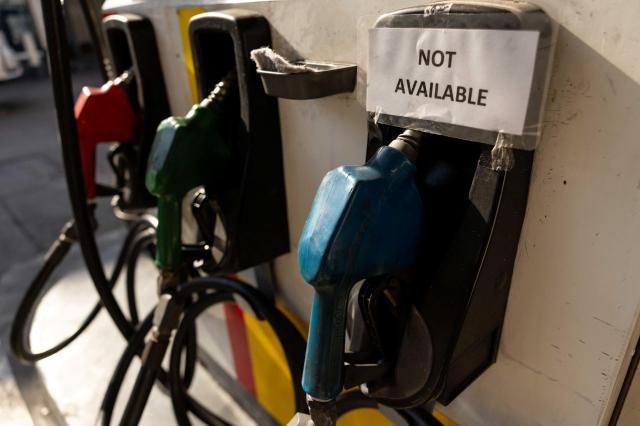
Editor's Note: One month into the Iran war, a conflict that began in the Middle East is rapidly evolving into a broader economic and strategic shock for Asia, and in this special series, AJP examines those spillovers in full — from a comprehensive overview of Asia-wide shocks to industrial realignments, the mounting risk of a third oil shock, and rising security tensions — as the central question shifts from how the war unfolds in the Middle East to how deeply its consequences will be embedded across Asia.
SEOUL, March 27 (AJP) - The immediate battlefields may be in the Gulf, but the war’s toll has landed heavily on Asia, as regional economies scramble to survive without Middle Eastern fuel while the critical chokepoint of the Strait of Hormuz remains effectively closed for a month.
The shock in South Korea has spilled beyond capital markets.
Gas stations saw lines stretch until midnight ahead of the lifting of a temporary price cap on Friday, even as the government rolled out sweeping “wartime” measures — from extended fuel tax cuts and sovereign bond buybacks to a ban on naphtha exports and emergency supplementary budgeting.
Consumers are hoarding trash bags and delivery containers amid fears of a plastic shortage after a domestic cracking facility halted operations due to naphtha supply disruptions.
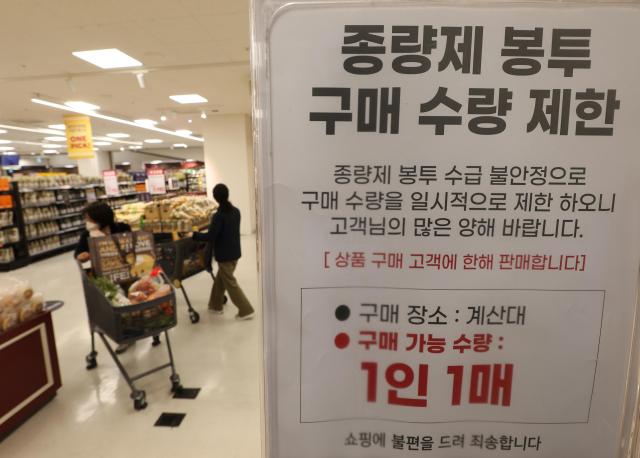
While Seoul holds one of the world’s largest strategic reserves — enough for more than 200 days when combined with private stockpiles — the immediate economic shock has proven difficult to contain.
The impact is more pronounced in emerging Asian economies with far thinner buffers.
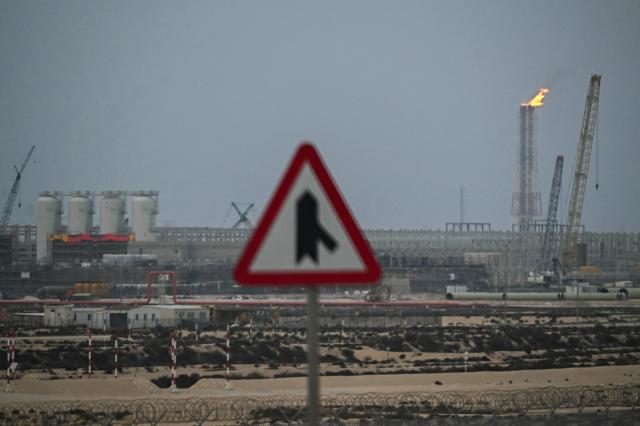
The war, triggered by U.S. and Israeli airstrikes on Iran on Feb. 28, has effectively choked off one of the world’s most vital energy arteries. Roughly a fifth of global oil consumption and a similar share of LNG trade typically pass through the Strait of Hormuz.
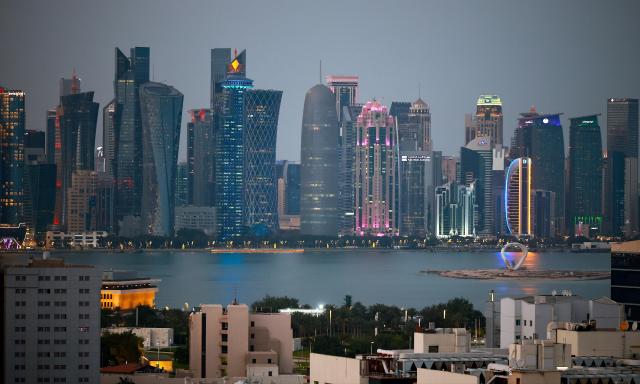
The disruption has been compounded by direct damage to supply. Qatar, the world’s second-largest LNG exporter, has lost 17 percent of its export capacity following Iranian attacks, with recovery expected to take up to five years, according to QatarEnergy CEO Saad al-Kaabi.
Asia buys about four-fifths of Qatar’s LNG — a share that has increased further since sanctions on Russia following its invasion of Ukraine.
The Philippines has declared a “national energy emergency,” warning of imminent fuel shortages as gasoline and diesel prices surge. The country relies on the Middle East for over 90 percent of its crude imports, while its reserves cover just 45 days of demand.
Pakistan faces even deeper vulnerabilities. With 99 percent of its gas imports sourced from Qatar, authorities have warned that shortages could disrupt electricity supply within weeks, threatening its export-critical textile sector.
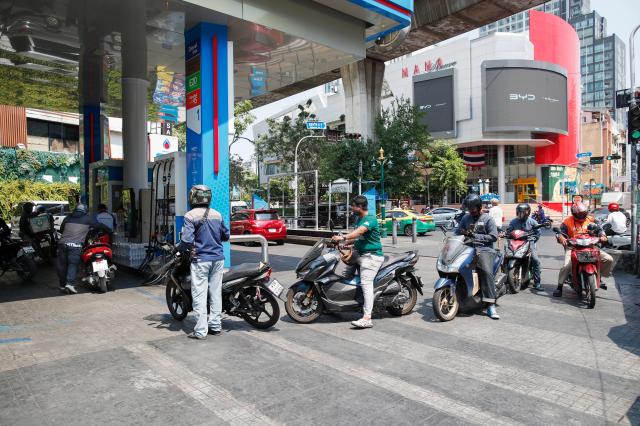
In Laos, more than 40 percent of gas stations have shut down, prompting school closures and remote work policies. Cambodia has seen a third of its stations suspend operations, while Thailand is grappling with fuel shortages severe enough to disrupt farming and even halt cremations at temples.
Cremation is the standard funeral practice in the country, and the abbot of Wat Saman Rattanaram temple said in an interview, “In my 50 years, I have never seen anything like this.”
In India, shortages of cooking gas have reportedly triggered street clashes, while restaurants and hotels are closing temporarily.
Thailand is no different. The Bangkok Post reported on March 22 that despite the rice harvest season, farmers are struggling due to a lack of fuel for harvesting machinery and transport trucks. Panic buying has spread at gas stations, and rising fuel prices have sharply increased the cost of essential goods such as palm oil and bottled water.
While South Korea and Japan hold strategic reserves well above the International Energy Agency’s recommended 90 days, countries such as Indonesia and Vietnam have stockpiles lasting just 20 to 23 days.
Unlike crude oil, LNG lacks a global reserve system due to the high cost of storage, leaving many Asian economies reliant on just-in-time imports. Shipping costs for LNG carriers have more than doubled since the war began, forcing countries such as Vietnam and the Philippines to suspend purchases altogether.
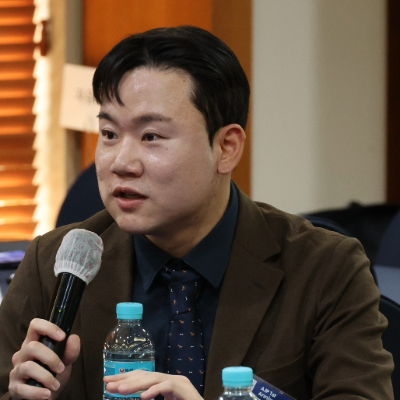
“Almost all countries around the world have suffered in many ways, starting with rising prices and dwindling supplies of Middle Eastern oil, natural gas, helium, sulphur, and chemicals,” he said, noting the spillover into food, medical supplies, and critical minerals.
Kirton warned that the crisis is evolving into a macroeconomic threat.
“We are looking at a potential 1% reduction in global growth, inflation rising toward 5%, and the growing risk of stagflation,” he said.
The burden, however, is not evenly shared.
“These countries are being hit hardest due to high debt burdens, limited fiscal capacity, and reduced international aid,” Kirton added, pointing to rising food prices, weakening currencies, and growing political instability.
Andreas Rasche of Copenhagen Business School framed the divide as structural.
“Many of them are highly dependent on imported energy and food, so price increases hit faster and harder,” he said.
“At the same time, they have far less fiscal and monetary space to respond.”
Richer economies like South Korea retain greater policy flexibility, stronger institutions, and in some cases strategic reserves that cushion the immediate blow.
Yet even for them, the crisis is exposing a deeper vulnerability.
For decades, the global economy has depended on a narrow waterway that carries nearly every barrel exported from Saudi Arabia, Kuwait, Iraq, Qatar and the United Arab Emirates.
As long as that dependency persists, the shockwaves now rippling across Asia may not be a one-off crisis — but a recurring fault line in the global energy system.
Copyright ⓒ Aju Press All rights reserved.
