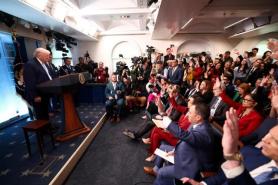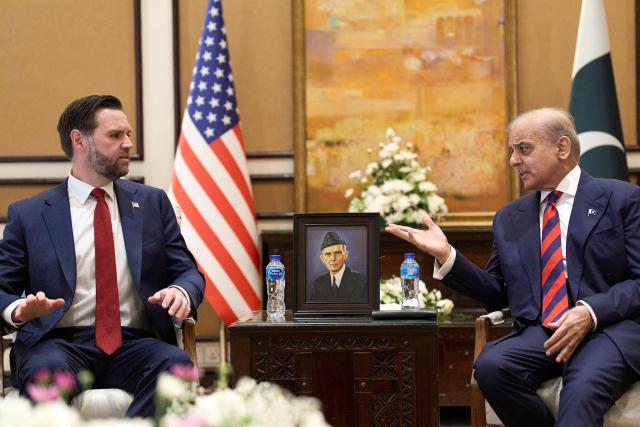
The marathon session, mediated by Pakistan, stretched across multiple rounds from Saturday evening through Sunday morning but ultimately foundered over deep divisions on Iran's nuclear program and the reopening of the Strait of Hormuz.
U.S. Vice President JD Vance, who led the American delegation, told reporters after the talks that Washington had yet to see a fundamental commitment from Tehran. "We leave here with a very simple proposal: a method of understanding that is our final and best offer," Vance said. "We'll see if the Iranians accept it."
Iran's semi-official Tasnim news agency struck a defiant tone, reporting that the Iranian delegation had rebuffed what it characterized as Washington's attempt to extract through negotiation concessions it could not win on the battlefield, including the dismantling of Iran's uranium enrichment program and the immediate opening of the strait.
The United States sought not only the surrender of Iran's existing stockpile of highly enriched uranium but also curbs on its enrichment capabilities — an effort to eliminate both Tehran's present nuclear capacity and its future weapons potential. Iran, for its part, refused to relinquish what it called its right to peaceful nuclear energy.
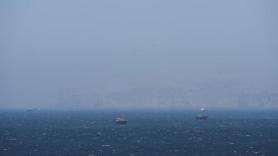
The Strait of Hormuz emerged as an equally intractable flashpoint. Washington demanded the immediate reopening of the vital waterway, whose blockade has driven up global oil prices and rattled international markets. Tehran, however, views the strait as its most powerful bargaining chip and insisted it would lift the blockade only after a comprehensive deal is sealed, senior Iranian officials cited.
Tensions along the waterway underscored the stakes. U.S. Central Command said it had begun preparations for mine clearance in the strait, with two Navy guided-missile destroyers transiting the passage. Iran's Islamic Revolutionary Guard Corps warned that any warships attempting to pass would face a forceful response.
The breakdown of the first face-to-face encounter between the two adversaries casts a shadow over the ceasefire brokered on April 8. With the truce set to expire in nine days, concerns are mounting that Israel could intensify its military operations against Hezbollah in Lebanon, further complicating any return to the negotiating table.
Experts note that Iran appears to believe time is on its side, calculating that the economic pain inflicted by the Hormuz blockade gives Washington greater incentive to make concessions. The United States and Israel, meanwhile, have signaled they reserve the right to strike Iran's nuclear facilities at any time.

Copyright ⓒ Aju Press All rights reserved.