
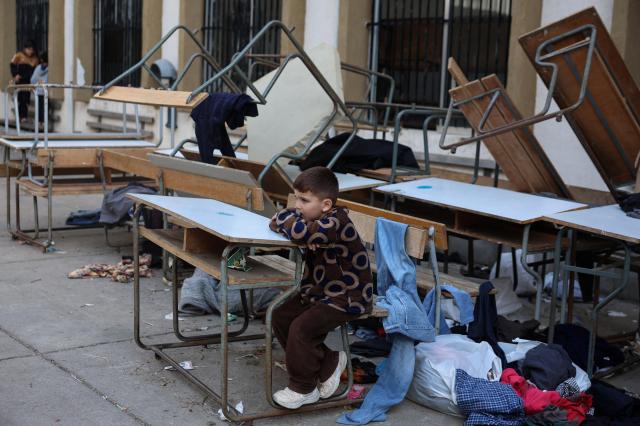
Over 1,700 civilians, including 254 children, were reported killed in Iran before the ceasefire, while more than 600 were killed in Israeli air raids in Lebanon, according to local authorities and media reports.
Lee’s decision to join international condemnation of civilian casualties — framed in universal human rights terms — appeared to have strained ties with Israel, a country with which South Korea has maintained historically close relations.
The episode comes at a time of intensifying global scrutiny over Israel’s military campaign and rising instability across the Middle East, complicating the diplomatic calculus for middle powers like South Korea.
Israel’s role in the evolving regional dynamics has added further complexity. While a ceasefire between the United States and Iran was reached over the weekend, Israel was not directly involved in the negotiations.
Prime Minister Benjamin Netanyahu made no reference to the agreement in a public address, even as he faces growing domestic criticism over his handling of the situation.
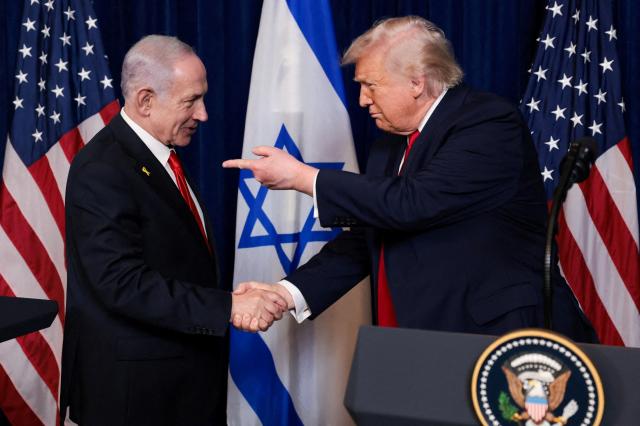
The developments have prompted diplomatic pressure from Washington, with U.S. officials urging Israel to exercise restraint. In a sign of cautious engagement, Israeli and Lebanese ambassadors to the United States are expected to hold rare direct talks in Washington.
The human toll of the broader conflict has continued to mount. In Lebanon, more than 2,000 people have been killed in recent fighting between Israel and Hezbollah, while casualties have also been reported in Gulf states and Israel itself. The United States has confirmed the deaths of 13 service members in the course of the conflict.
European leaders have stepped up criticism of Israel’s military actions as the conflict has widened.
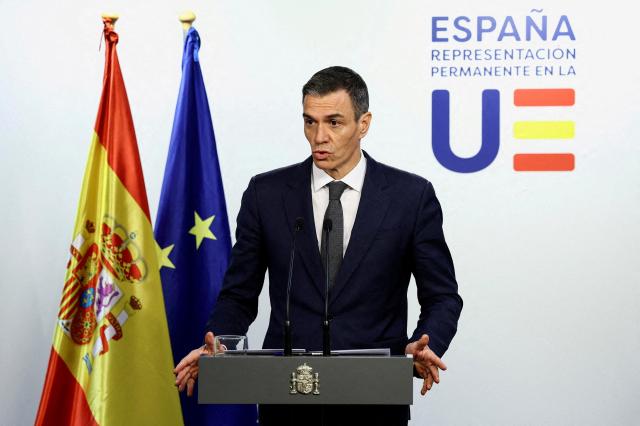
Spanish Prime Minister Pedro Sánchez has been among the most outspoken, describing the situation in Gaza as a “catastrophic situation of genocide” and urging the European Union to suspend its cooperation agreement with Israel. He also warned against what he called reckless escalation, saying global leaders must not be “playing Russian roulette with the destiny of millions.”
Tensions have further intensified following the escalation between Israel and Iran earlier this year. Coordinated U.S. and Israeli strikes on Iranian nuclear and military facilities prompted retaliatory missile and drone attacks by Iran, raising fears of a broader regional war.
Although a tentative ceasefire between Washington and Tehran was reached in April, clashes involving Israel and Iran-backed groups, including Hezbollah, have continued, underscoring the fragility of the situation.
Against this backdrop, Lee posted a message on X (formerly Twitter) on Friday, writing: “National sovereignty and universal human rights must be respected, and wars of aggression must be denied — this is both the spirit of our Constitution and international common sense.”
“Just as my life and property are precious, so are those of others. Respect is reciprocated,” he added.
While Lee did not explicitly reference a specific incident, his remarks were widely interpreted as a response to controversy surrounding a video he had shared earlier, which allegedly showed Israeli Defense Forces mishandling bodies in a war context.
The video, later clarified to have been filmed in September 2024, triggered accusations of misinformation and a diplomatic backlash from Israel.
What might have remained a minor misstep quickly escalated into a broader diplomatic dispute, touching on domestic political divisions, diplomatic protocol, and questions about South Korea’s role on the global stage.
A diplomatic breach — or a new normal?
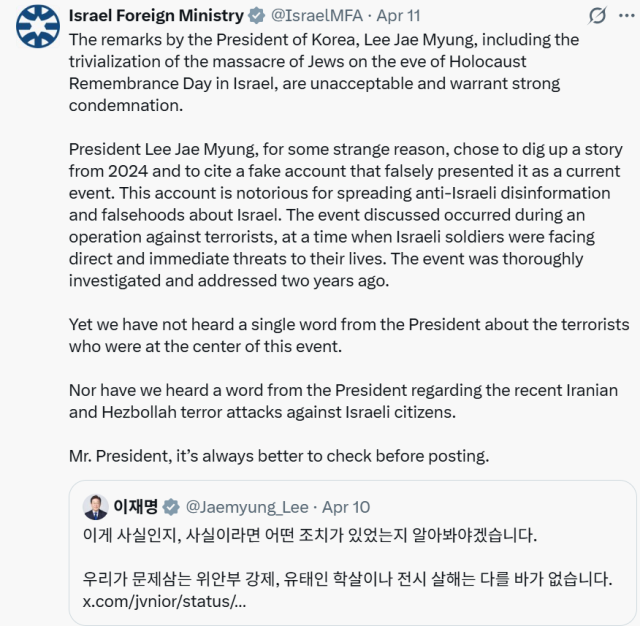
Israel’s Foreign Ministry responded unusually sharply, publicly condemning Lee’s remarks and accusing him of trivializing the Holocaust — a move that broke with conventional diplomatic practice, where such disputes are typically handled through private channels.
Rep. Hong Ki-won, a former diplomat, said dissatisfaction with a foreign leader should be conveyed privately, adding that public condemnation by a foreign ministry was “highly inappropriate.”
Rep. Kim Young-bae also defended Lee, saying his remarks were not directed at any specific country but reflected universal principles of human rights embedded in international law. He criticized Israel for escalating the issue through a formal statement.
Opposition lawmakers offered a starkly different view.
Members of the conservative People Power Party accused Lee of undermining national interests through “impulsive remarks” that complicate diplomacy.
“Even after facts emerged, the president escalated tensions rather than resolving them,” said Foreign Affairs Committee Chair Kim Seok-ki.
The risks of moral diplomacy
For some observers, Lee’s comments reflect an attempt to position South Korea as a principled middle power willing to speak out on global issues.
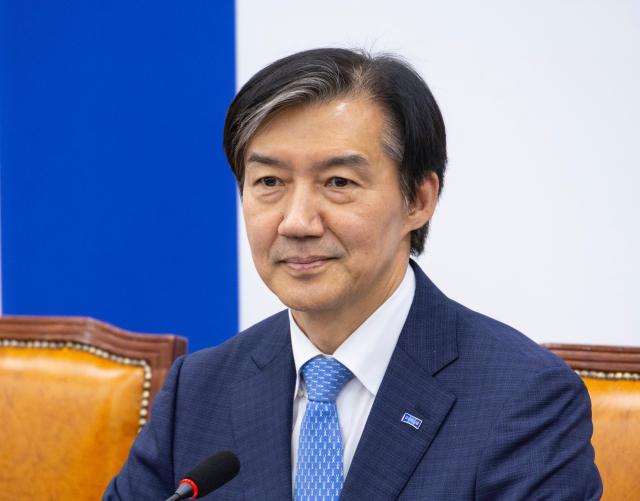
Cho Kuk, leader of the Rebuilding Korea Party, defended the president’s stance as both morally justified and strategically meaningful.
“It is valid from the perspective of international human rights law and meaningful in terms of national interest within cold geopolitical realities,” he said.
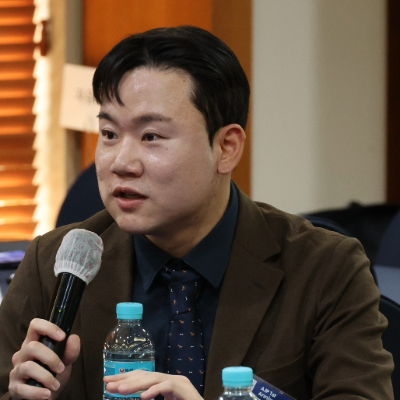
Yossi Shain, an Israeli politician and former member of the Knesset, framed the issue in security terms, noting parallels between Israel’s threats from Hezbollah and Iran and South Korea’s confrontation with North Korea.
“Telling Israel not to defend itself is like telling Korea not to defend itself against North Korea,” he said.
Another layer of the controversy highlights the role of misinformation in shaping political discourse.
Paul Franks, a professor at Yale University, criticized the president’s reliance on what he described as misleading online content.
“This exemplifies the trend of public figures failing to do their homework and being taken in by internet misinformation,” he said. “If they are fooled, what chance does the ordinary person have?”
Franks also took issue with Lee’s invocation of the Holocaust, stressing that it was not merely a war crime but “the industrialization of genocide.”
Edieal Pinker, another Yale professor, suggested political incentives may also be at play.
“There is no short-term cost to governments from criticizing Israel,” he said, noting that such positions can be politically expedient despite potential long-term diplomatic consequences.
Beyond the immediate fallout, the episode reflects broader global trends of polarization and fragmentation.

For South Korea, the controversy raises fundamental questions about its role on the global stage: whether to remain a cautious actor focused on regional stability and alliance management, or to adopt a more vocal stance on global values despite the risk of diplomatic friction.
Even European powers are grappling with similar dilemmas, balancing human rights concerns with strategic and security interests.
The Embassy of the Islamic Republic of Iran in Seoul said human rights violations by Israel, particularly against Palestinians, have become “systematic and ongoing,” calling for an immediate end to such practices and greater international accountability.
The Israeli Embassy in Seoul said it had no specific comment regarding Lee’s remarks.
Copyright ⓒ Aju Press All rights reserved.
