
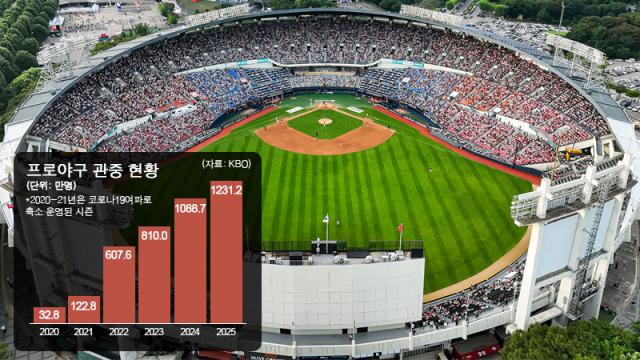
Last year, pro baseball drew a record 12.31 million spectators and generated more than 1 trillion won in annual economic impact. The KBO is aiming for 13 million fans this year. About 440,000 people attended exhibition games, and the league topped 1 million spectators in a record-low 55 games over 14 days, surpassing last year’s pace and raising expectations of another attendance record (12,312,519).
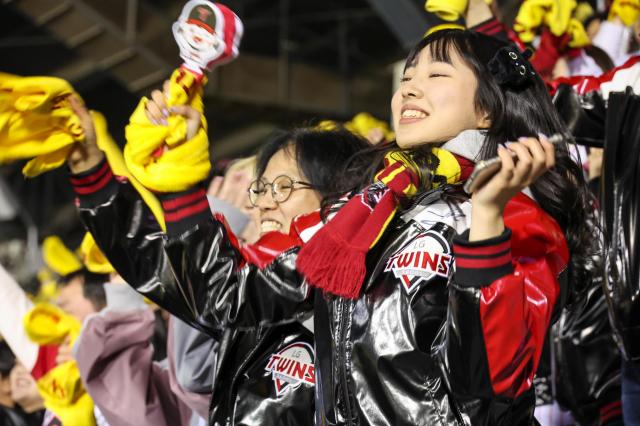
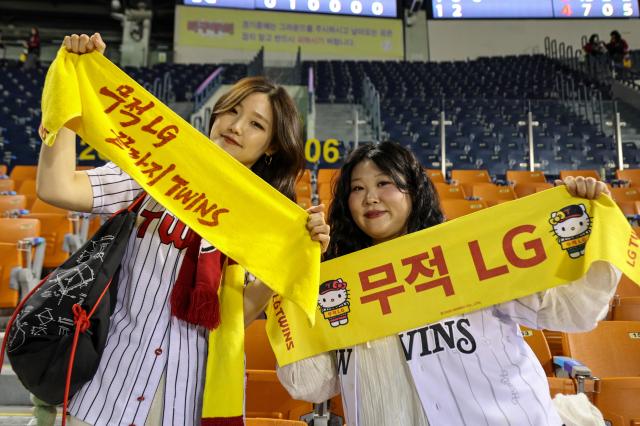
With a surge of women entering the stands, pro baseball has further cemented itself as a national pastime. Women in their 20s and 30s accounted for 38.3% of ticket buyers last year, a shift analysts say is changing how fans watch, spend and participate.
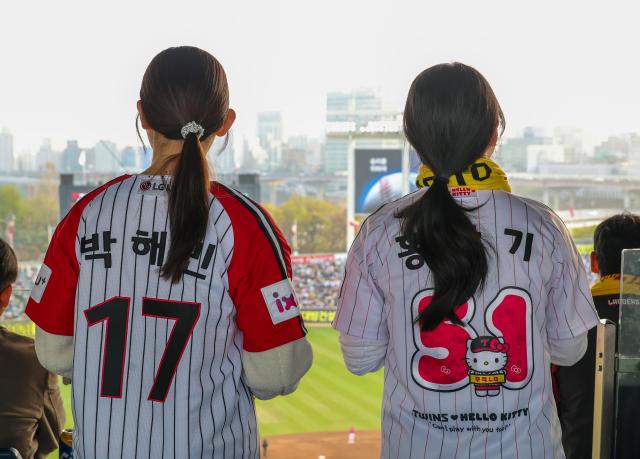
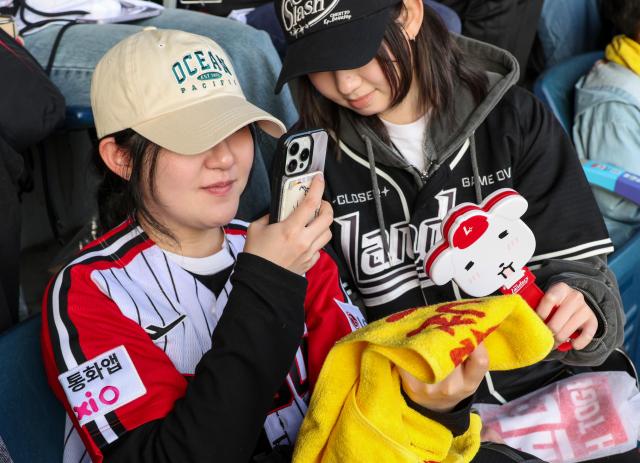
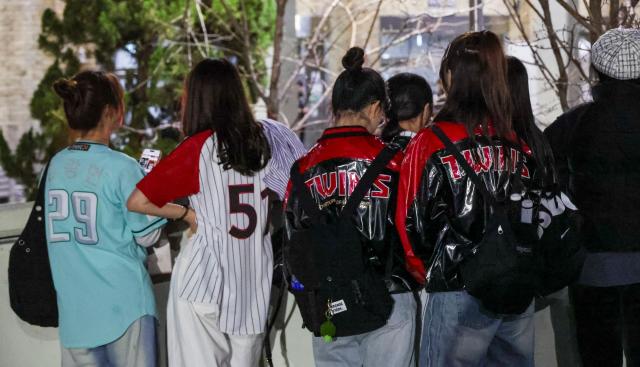
On a mild weekend afternoon near Jamsil Sports Complex Station, a team chant echoed through the streets: “Seoul LG, let’s run toward our dream!” Fans streaming out of the subway moved in a steady flow toward the stadium, as if following a set route. Among the red jerseys, women in their 20s and 30s wearing character-collaboration uniforms stood out.
Yoo Eun-seo, 23, an LG fan, filmed the chants and took photos with friends for social media. “It feels more like I came to hang out than to watch baseball,” she said. “Cheering, taking pictures — it’s a full-day course.”
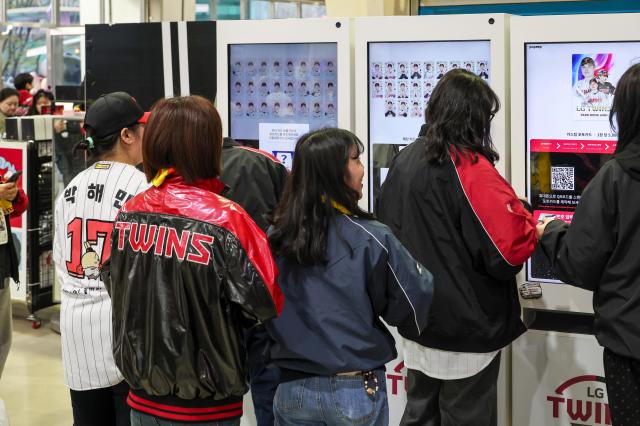
The fastest changes have come in food and merchandise. Where boiled silkworm pupae and beer once dominated, fans now line up for mala skewers, fruit drinks and desserts. Team stores put key rings, photo cards and character goods front and center. Kiosks draw crowds of fans trying to print photo cards of specific players.
Park Si-hyeon, 26, and Yoo Jeong-min, 24, both LG fans, said they buy multiple cards “until the player we want comes out,” adding that “the goods themselves are part of the fun.”
A KBO official said the league has become “an experience-based leisure culture combining games with food and entertainment,” with more ways for fans to stay and spend regardless of the result.
The official said teams and stadiums have also improved facilities such as restroom cleanliness and nursing rooms, focusing service on safer viewing environments, expanded amenities, and stronger merchandise and content. Under a “fan first” approach, the official added, clubs have stepped up fan service, narrowing the distance between players and supporters.
In a packed stadium with 23,750 seats filled, fans sing along while recording video on their phones. Many stay after the final out to take photos with slogans and post them online. Baseball, for many, has shifted from a sport to watch into content to join and document.
How fans follow players is changing, too. Interest now extends beyond performance to appearance, personal narratives and fan service, fueling player-centered fandoms. Waiting for players after games has become a common scene.
A club official said players are “being consumed much like idols,” and that individual fandoms can translate into broader team popularity.
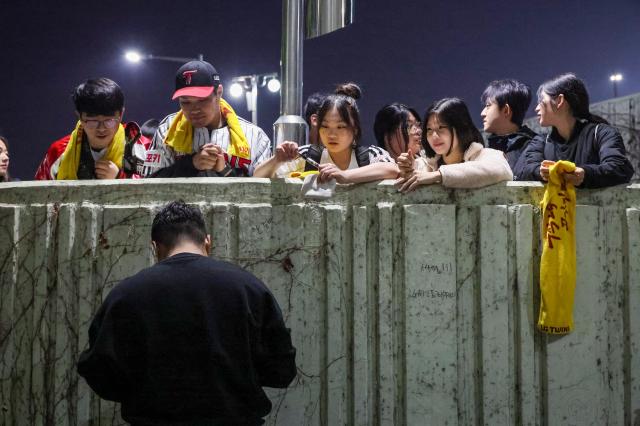
Clubs have expanded “special days” and “players days” centered on specific athletes, while limited-edition goods often sell out immediately. KIA collaborated with fashion brand IAB Studio, and the LG Twins released an apparel collection with the YouTube-based brand “Bbodoners.”
Kiwoom has sought to attract more women fans through special lectures at women’s universities and campus-linked events. The KBO has also strengthened strategies aimed at younger generations, including student marketer programs, pop-up stores and expanded social media content.
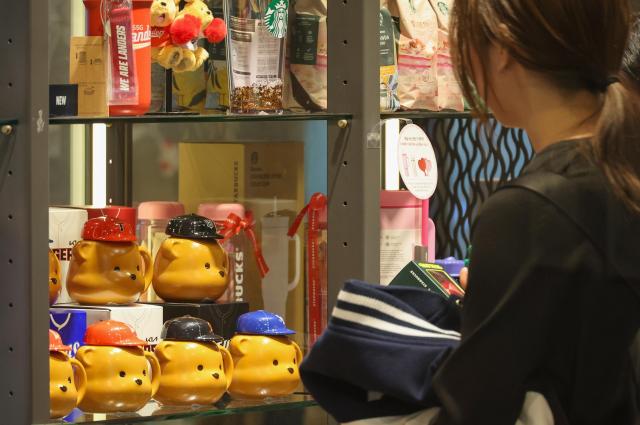
The economic impact is also clear. Hyundai Research Institute estimated that, based on 2024 pro baseball consumer spending, nationwide production inducement totaled 1.1121 trillion won and employment inducement reached 9,569 people. Clubs’ gate receipts topped 200 billion won.
Card company analysis found sales in major business categories near ballparks rose about 90% on game days compared with non-game days. By region, postgame dining sales increased 46% in Daejeon and 42% in Daegu.
The league is evolving beyond a corporate-dependent model into a more self-sustaining industry, with some clubs posting profits and demonstrating new revenue streams. This season, games are also expected to feel faster and more immersive as stricter pitch clock rules speed up the pace of play.

A second KBO official said, “The ballpark is not just a stadium now — it’s a platform,” adding that the experiences fans create have become core content.
In that sense, the future of pro baseball is being built as much in the stands as on the field — in the chants, the photos and the merchandise purchases that now help drive the business.
* This article has been translated by AI.

Copyright ⓒ Aju Press All rights reserved.