
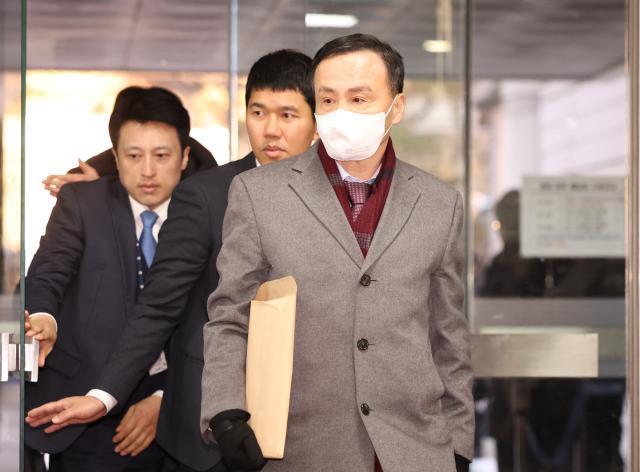
Attorney Lim Jeong-hyeok, a former high prosecutors’ office chief accused of taking money in exchange for seeking to blunt an investigation into alleged corruption in the Baekhyeon-dong development case, has been cleared in a final ruling.
According to legal officials on the 22nd, the Supreme Court’s Second Division (Justice Cheon Dae-yeop presiding) on March 12 upheld an appeals court decision acquitting Lim of violating the Attorney-at-Law Act.
Lim was indicted after prosecutors said he received 100 million won in June 2023 from Jeong Ba-ul, chairman of Asia Developer and a private developer in the Baekhyeon-dong project. Prosecutors alleged the money was intended for cultivating ties with and lobbying public officials in connection with the corruption probe.
The Baekhyeon-dong case centers on allegations that Seongnam city granted preferential treatment to a private developer, including raising land-use zoning by four levels at once and approving construction of apartments with a retaining wall.
A trial court found Lim guilty and sentenced him to two years in prison, suspended for three years, and ordered forfeiture of 100 million won. The court said Lim’s alleged act of personally meeting senior officials at the Supreme Prosecutors’ Office to seek a noncustodial investigation for Jeong amounted to improper private contact by a former senior prosecutor turned attorney, and that taking a large sum in return for such a request fell outside permissible legal work.
The appeals court overturned that ruling and acquitted Lim, rejecting the credibility of testimony by Lee Dong-gyu, former chairman of KH Real Estate Development, which had been central to the trial court’s conviction.
The appeals court said Lee had a motive and likelihood to make false statements, citing indications he tried to align his account with investigators’ direction to claim cooperation and seek favorable consideration in his own case.
It also noted that confirmed legal fees Jeong paid to more than 10 lawyers exceeded 2.8 billion won. Given Lim’s background as an attorney who had held senior prosecutorial posts and the public attention on Jeong’s case at the time, the court said it could not conclude that agreeing to a 900 million won success fee and receiving 100 million won as an initial retainer was so excessive that it could not be considered payment for normal legal representation.
Lee’s own case was finalized at the Supreme Court in December 2024, when he received a three-year prison term and forfeiture of about 1.3 billion won. Another attorney, Gwak Jeong-gi, a former police superintendent indicted on similar allegations of taking money in return for seeking to blunt an investigation, was sentenced on appeal in December last year to two years and six months in prison, suspended for four years, and forfeiture of 50 million won. He has appealed.
* This article has been translated by AI.
Copyright ⓒ Aju Press All rights reserved.