
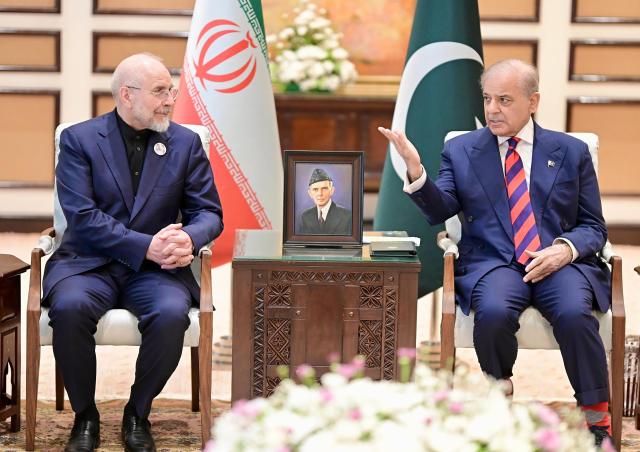
The Wall Street Journal reported Sunday, citing multiple sources, that Iran told mediators it intends to send a negotiating team to Pakistan on April 21.
Iran has not officially confirmed whether it will dispatch a delegation. Foreign Ministry spokesman Esmail Baghaei said, "For now, there are no plans for the next talks," adding that Iran "will not accept deadlines or ultimatums" to protect its national interests. Iranian President Masoud Pezeshkian has also voiced deep distrust of the United States, stressing that "Iran will not yield to force."
As Iran sends mixed signals, attention has turned to U.S. moves that could affect whether talks go ahead. Axios reported that Vice President JD Vance planned to depart for Pakistan by the morning of April 21, accompanied by Middle East envoy Steve Witkoff and Jared Kushner. Some reports suggested he could travel late on April 20. Axios said Vance had remained in the United States until an Iranian response emerged, but would leave after receiving a "green light" from Iran's supreme leader, Mojtaba Khamenei.
The developments come after President Trump extended a ceasefire deadline by one day, from April 21 to the evening of April 22, fueling expectations of a deal. Reflecting that sentiment, international oil prices, which surged the previous day, fell about 1% to 2% in Asian trading.
Separately, the United States is set to host a second ambassador-level meeting between Israel and Lebanon at the State Department on April 23. The session would be the first follow-up talks since a U.S.-mediated ceasefire was reached after weeks of clashes between Israel and Iran-backed Hezbollah. In their first meeting, the two sides agreed to begin direct negotiations toward a comprehensive peace agreement.
* This article has been translated by AI.
Copyright ⓒ Aju Press All rights reserved.