
Fight videos are spreading quickly on social media and streaming platforms such as YouTube and Telegram. Blurring the line between sport and violence, the genre draws millions of views and has become a form of mass entertainment — echoing the voyeuristic consumption of violence depicted in Netflix’s “Squid Game.”
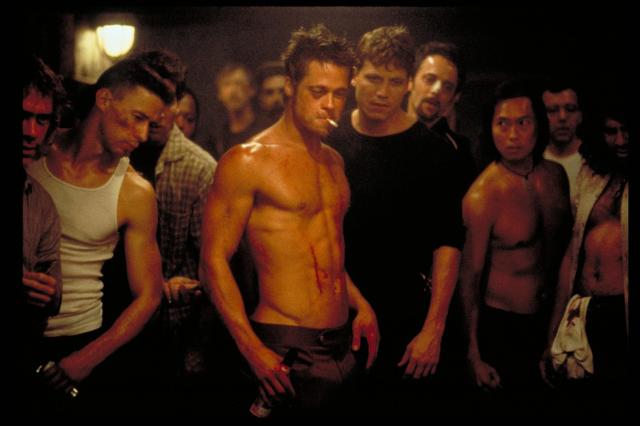
At the center is so-called “yacha rule,” an informal fighting format presented as consensual. Promoted as a “raw, real fight,” it has spread rapidly. One video titled “Real fight between construction workers in their 20s #yacharule” has surpassed 12 million views. The footage shows two shirtless men trading punches as a crowd watches, evoking a modern-day coliseum.
The name is believed to come from “yacha,” a predatory being in Buddhist folklore. Unlike mixed martial arts or boxing, there is little protective gear and few rules; the main restriction is a ban on eye-gouging. Viewers cite that unfiltered “realism” as the appeal.
The market is sizable. Related YouTube channels have logged more than 180 million cumulative views, and individual videos often reach the millions. Given the advertising model, violence itself functions as a revenue stream.
The concern is how far it is spilling into everyday life. Some creators, claiming “teaching a lesson,” seek out specific people, fight them and livestream it. More alarming is the spread into teen spaces. One Telegram channel was reported to buy and distribute real assault videos involving minors, paying providers from 5,000 won to 50,000 won. Many clips show victims bleeding or losing consciousness.
Viewers are not just observers. Through comments, donations and sharing, they participate, and some videos are paired with gambling ads. A violence-centered “ecosystem” is taking shape.
Experts link the trend to human instincts. Rosie Dirt, a professor of psychology at the University of North Carolina, said people are naturally drawn to threat and conflict, and violent stimuli grab attention quickly and hold it. As that “safe danger” experience is reinforced online, she said, people’s sensitivity to violence can dull over time.
Social learning also plays a role. Under psychologist Albert Bandura’s theory, if repeated behavior is shown being rewarded, it can come to be seen as normal. The more fights are packaged as happening under “agreed rules,” the more likely viewers are to justify violence, experts say.
Dirt said sustained exposure to violent media can lead to desensitization, reduced emotional response and gradual shifts in what people see as socially acceptable aggression. When such content is rewarded with visibility and attention online, she said, imitation or performative violence can increase.

Lee said when those psychological tendencies combine with social media algorithms, a nontraditional form of socialization can occur, allowing violent content to shape thinking and behavior. She said the interview request reminded her of decadeslong debates over the effects of violent TV shows, films and video games.
In 2021, 13-year-old Olly Stephens in the United Kingdom was stabbed to death by peers. He went to a park after being lured by a girl he knew and was ambushed by two boys. The attack was later found to have been planned amid conflict and message exchanges on social media.
The British daily The Times said the case was not only a personal tragedy but also an example of rising teen knife crime and the influence of the online environment. It said teen knife-related deaths in the U.K. have risen sharply in recent years, driven in part by social media. The victim’s parents have since campaigned for stronger social media regulation and youth protections, and experts have said online conditions and access to weapons must be addressed together.
The Washington Post also analyzed the impact of graphic video on young people after the killing of Charlie Kirk in Utah in September 2025, when footage of his death spread rapidly on social media and reached children and teens. The video circulated quickly on major platforms including TikTok, Instagram and YouTube, and some students shared or watched it at school. Parents said they were shocked their children saw the images without warning. Some teens responded that it was “shocking but important” or “just weird,” raising concerns about desensitization.
The Post said the spread was tied to algorithmic systems that prioritize sensational, attention-grabbing content. Platforms tried to remove the video or apply age limits, but altered versions kept appearing, making control difficult. Parental controls also failed to work effectively. Experts called for stronger regulation and urged parents to talk with children and respond actively.
Legal judgment is clear, experts say. Seong Jung-tak, a professor at Kyungpook National University Law School, said yacha rule is unlikely to receive a legal pass even if there was “consent.” Assault causing injury is not a crime that can be dropped solely at the victim’s request, he said, meaning investigations and punishment can proceed even if the victim signs an agreement saying they do not want the attacker punished. Seong cited a Supreme Court ruling that when a victim’s consent violates social norms, illegality is not removed.
Legal responsibility may extend beyond the fighters. Watching or distributing yacha rule content can also be punished under the Criminal Act, the Information and Communications Network Act and the Juvenile Protection Act.

As violence-as-content spreads, calls are growing for debate over how to regulate it — and how to build stronger protections for minors.
* This article has been translated by AI.

Copyright ⓒ Aju Press All rights reserved.