
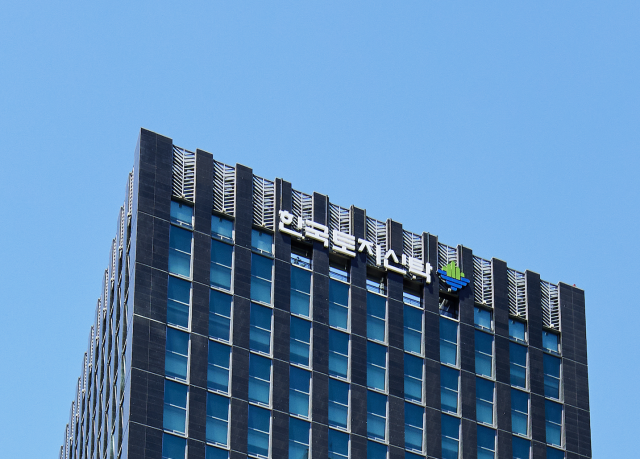
Korea Land Trust said it will not participate in the bid to select a preliminary project operator for the integrated redevelopment of Yangji Village in Bundang, widening debate over the fairness of the process and the adequacy of procedures.
The company said on the 24th that it would not take part in the tender for the project’s preliminary operator selection.
The Yangji Village integrated redevelopment is a large project covering six complexes — including Hanyang, Kumho and Cheonggu — totaling 4,392 households. The plan calls for rebuilding into up to 37-story apartments with 6,839 households. Korea Land Trust had previously been named preferred bidder, receiving preliminary operator status and moving the project forward.
Korea Land Trust said its decision stems from concerns about the overall bidding guidelines, citing three issues it said make it difficult to ensure fairness and stability: the balance of evaluation criteria, procedural representation and how rights and interests would be handled.
On evaluation criteria, the company said the structure gives full points only to firms whose corporate group has total assets of at least 50 trillion won, adding that only a limited number of trust companies meet that requirement and that competitive neutrality could be undermined.
It also said permitting and approval track records — which it described as critical to redevelopment success — were effectively excluded from scoring. A selection method focused on headline indicators such as asset size would make it difficult to protect owners’ property rights, it said.
The company also questioned procedural legitimacy, saying meaningful participation and consent were not secured from representatives of Cheonggu 2 Complex and owners at 32 Sunae-dong, key members of the integrated project. It said bidding guidelines finalized while representatives of major complexes were excluded would be hard to justify procedurally.
Korea Land Trust cited unresolved rights issues as another core concern. It said Yangji Village has a complex structure of shared land rights across complexes and alliances, requiring clear standards for separate settlement and principles for allocating rights from the outset. Because the bidding guidelines do not reflect specific operating principles, it said, disputes could arise later at the management and disposition planning stage. If disputes drag on, it added, higher financing costs could increase owners’ contributions.
Korea Land Trust said it agreed to terminate an existing memorandum of understanding to expand owners’ choices, but concluded the final bid structure was difficult to trust. Without fair evaluation criteria and transparent procedures, it said, project stability also cannot be assured.
Industry officials said Korea Land Trust’s withdrawal, as a leading candidate to serve as project operator, is expected to affect momentum for the Yangji Village redevelopment and reshape the bidding landscape.
* This article has been translated by AI.
Copyright ⓒ Aju Press All rights reserved.