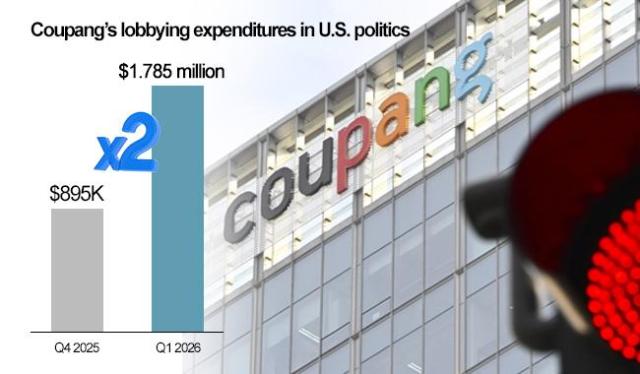
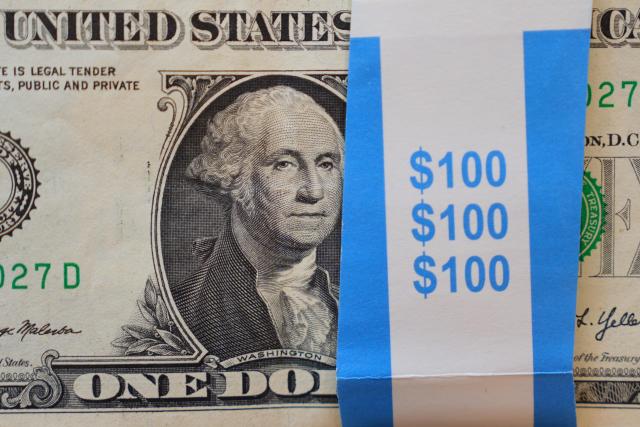
According to lobbying disclosure reports filed with the U.S. Congress, Coupang spent a combined $1.785 million in the first quarter of 2026 – nearly doubled from $895,000 in the previous quarter - as political and legal scrutiny mounted for a massive data leak in Korea last November.
The filings show that Coupang not only boosted its in-house lobbying to $1.09 million, but also expanded its roster of external firms, adding Ballard Partners, Crossroads Strategies and Williams & Jensen to existing partners including Miller Strategies, Continental Strategy and Monument Advocacy.
While the disclosed amount reflects only direct lobbying activities required under U.S. law, it excludes broader advisory and strategic consulting fees, suggesting total spending may be significantly higher.
In late 2025, Coupang’s lobbying focused largely on trade-related agencies such as the Commerce Department, the Office of the U.S. Trade Representative and the State Department.
By early 2026, outreach had expanded to include the White House, the Office of the Vice President and even the National Security Council, indicating that discussions may have entered security-sensitive territory.
The involvement of high-profile lobbyists with deep ties to U.S. policymakers — including figures connected to Secretary of State Marco Rubio and former White House advisory teams — underscores the strategic nature of the campaign.
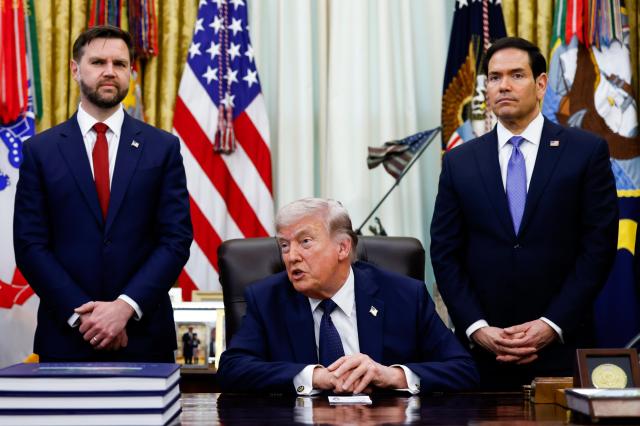
U.S. Vice President J.D. Vance reportedly raised concerns about Coupang during a January meeting with South Korean Prime Minister Kim Min-seok, while Rubio has also referenced the company in discussions with Korean officials.
The issue further blew over this week when 54 Republican lawmakers affiliated with the Republican Study Committee sent a letter to South Korea’s ambassador in Washington, urging Seoul to halt what they described as “discriminatory regulations” against U.S. firms — explicitly naming Coupang alongside Apple Inc., Alphabet Inc.’s Google and Meta Platforms Inc..
According to people familiar with the matter, U.S. officials have also conveyed concerns through diplomatic channels about potential legal actions against Coupang Chairman Bom Kim, warning such moves could complicate high-level security consultations between the allies.
Underscoring the elevation of the agenda, South Korea’s National Security Adviser Wi Sung-lac acknowledged the spillover effect during an overseas briefing while accompanying the president in Vietnam.
“This is fundamentally a corporate issue, but it is true that it is influencing security consultations between South Korea and the United States,” Wi said. “We do not believe it is desirable for corporate matters and security negotiations to become linked.”
He added that delays in security talks are already occurring and warned that prolonged disruptions could harm the alliance.
At home, the response has been more forceful.
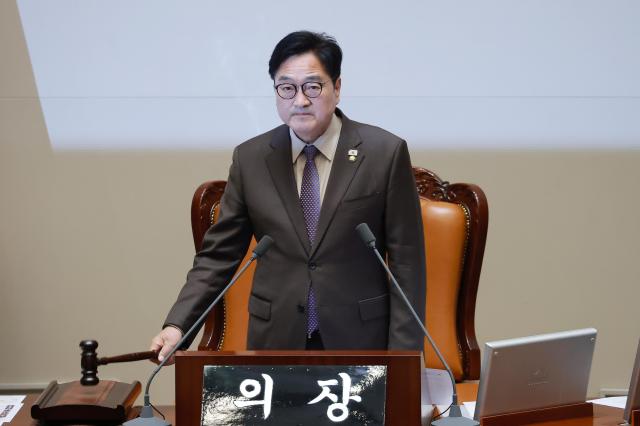
National Assembly Speaker Woo Won-shik described the U.S. lawmakers’ letter as “a clear interference in domestic affairs,” stressing that companies operating in Korea must comply with Korean law.
“There have been large-scale personal data leaks and allegations of algorithm manipulation. These are clear violations of current law,” Woo said.
It also emphasized that its lobbying expenditures remain modest compared with other major U.S. and Korean corporations.
Founded in 2010 by Bom Kim, Coupang has grown into South Korea’s largest e-commerce platform, often compared to Amazon for its logistics-driven model and rapid delivery services. Headquartered in Seattle, incorporated in Delaware and listed on the New York Stock Exchange, it occupies an ambiguous identity — structurally American, operationally Korean.
Its rapid growth has been accompanied by controversy. The company has faced criticism over industrial safety conditions in its logistics network, with several worker deaths linked by labor groups to harsh working conditions.
It has also been embroiled in a major personal data breach that intensified regulatory scrutiny, alongside allegations of algorithm manipulation to favor its own products — claims the company denies.
The dispute may ultimately move into the courts, with lawmakers exploring legal options including class action mechanisms.
Meanwhile, Lee Un-ju, a member of the party’s Supreme Council, pointed to a fundamental perception gap in Washington.
“In the United States, people tend to think of Coupang simply as an American company,” she said. “They don’t realize that most of its revenue is generated in Korea, and that the majority of victims in the personal data breach are also in Korea.”
Lee said she conveyed this view directly to U.S. policymakers during a recent visit, emphasizing that understanding Coupang’s operational reality is key to evaluating the dispute.
“It is very important to recognize that Coupang is, in effect, a Korean company,” she said.
Copyright ⓒ Aju Press All rights reserved.