
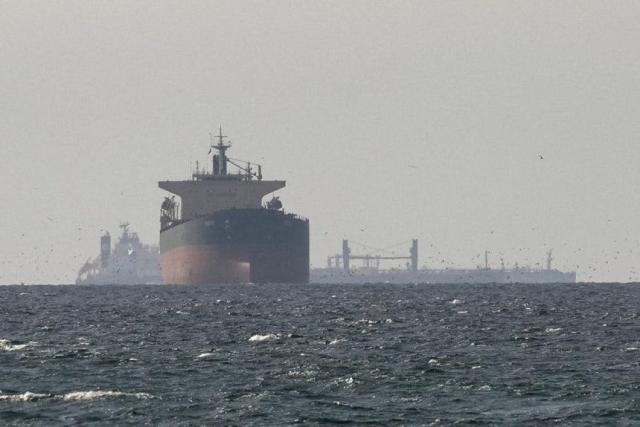
Iran’s state-run Press TV and Iran International reported on the 24th that the central bank confirmed the revenue was deposited into a central bank account. It said the payment was made in “cash-like currency,” not cryptocurrency.
Iran International said the information was carried by Fars News Agency, which is close to Iran’s Islamic Revolutionary Guard Corps. Press TV also cited Fars in reporting the deposit. Iranian authorities did not disclose the size of the fees, how many ships paid them, or what specific currency was used.
The Wall Street Journal reported the previous day that Iran had earned its first revenue from the fees. Hamidreza Hajibabaei, a deputy speaker of Iran’s parliament, said the proceeds were deposited into the central bank account. The Journal said Iran did not reveal the amount and that the move could conflict with international norms governing maritime passage. Iran is not a party to the U.N. Convention on the Law of the Sea.
The central bank’s statement was seen as aimed at calming controversy over how the fees are paid. Foreign media and maritime security firms had reported that messages were circulating demanding cryptocurrency in the name of Hormuz passage. Reuters, citing Greek maritime security firm Marisks, reported that scam messages were identified seeking bitcoin or tether by offering “safe passage.”
It was not confirmed whether the central bank’s phrase “cash-like currency” meant physical cash. Authorities did not disclose what foreign currency was used or how the money was transferred.
Iran is using control of the Strait of Hormuz and the fee policy as leverage in talks with the United States. In shipping markets, analysts say the larger question is whether the fee system becomes entrenched, rather than the payment method.
* This article has been translated by AI.
Copyright ⓒ Aju Press All rights reserved.