
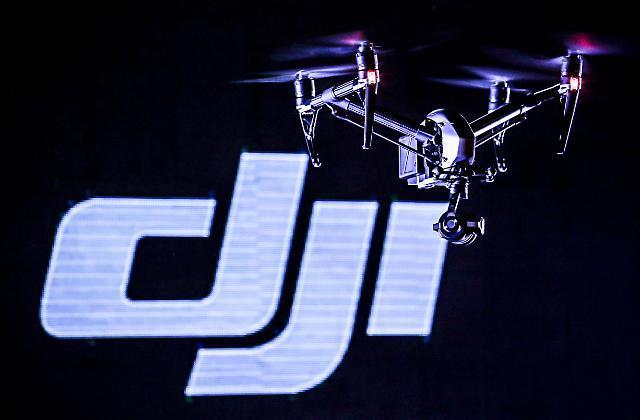
Beijing will impose an unprecedented ban on consumer drones starting in May, a move expected to hit the commercial drone industry hard.
Local media outlets including IT Zhijia reported that the measure will require DJI, China’s leading drone maker, to remove all drone products from its Beijing stores beginning next month. Beijing consumers will no longer be able to buy drones either in physical shops or through e-commerce platforms.
After-sales service for drones already owned will also become difficult. DJI said Beijing customers seeking repairs must ship products by courier to the company’s headquarters, then have the repaired items delivered to an address outside Beijing and bring them back themselves.
With new demand dropping sharply, drone sales at some DJI stores have fallen by nearly 50% over the past two months, according to reports. As consumers also move to sell drones they already own amid worries about tighter flight restrictions, listings on secondhand platforms have surged and used prices have been falling.
Beijing introduced the tougher rules in late March through its “Regulations on the Administration of Unmanned Aircraft,” effectively banning the sale, transport, entry and flight of consumer drones. The city designated all areas as controlled airspace and made prior approval mandatory for all outdoor flights. It also banned the entry and transport of drones and key components. An exception is allowed only for drones already owned, after real-name registration and information verification, when they are taken out of the city and later brought back in.
Some observers have raised the possibility that similar restrictions could expand to major cities such as Shanghai and Guangzhou.
There are differing interpretations of the rationale. Lianhe Zaobao reported that as drones have taken on a larger military role in the Russia-Ukraine war and conflicts in the Middle East, China views the issue as directly tied to national security.
Another view is that the move is preparatory work to develop the “low-altitude economy,” a strategic emerging industry promoted by the Chinese government that includes drone taxis, drone deliveries and urban air mobility. In an interview with The New York Times, Remo, head of a research center at the Hong Kong University of Science and Technology, said it was like “tidying the living room before welcoming guests,” describing it as a process of organizing airspace first for the low-altitude economy.
China is considered the world’s largest commercial drone market. The China Industry Research Institute said last year’s market was about 50.2 billion yuan, about 50% growth from 2020. Registered commercial drones topped 3 million, up 50% from a year earlier.
But rapid growth has been accompanied by worsening problems with unlicensed flights. Near the Shanghai World Financial Center, about 66 drone crash incidents occurred over the past three years, and in August last year two drones collided at an altitude of 400 meters.
China has continued tightening enforcement against unauthorized drone flights. Starting in January, illegal flights were defined as violations of public security, allowing criminal penalties including up to 15 days’ detention. China’s Ministry of State Security has also warned that if a flight threatens public safety and causes serious consequences, punishment could include more than 10 years in prison, life imprisonment or the death penalty.
* This article has been translated by AI.
Copyright ⓒ Aju Press All rights reserved.