
Reuters reported on April 27, citing six diplomats and senior officials from NATO member states, that internal discussions include ending the annual summit routine. NATO leaders have met each summer since 2021. This year’s summit is scheduled for July 7-8 in Ankara, Turkey.
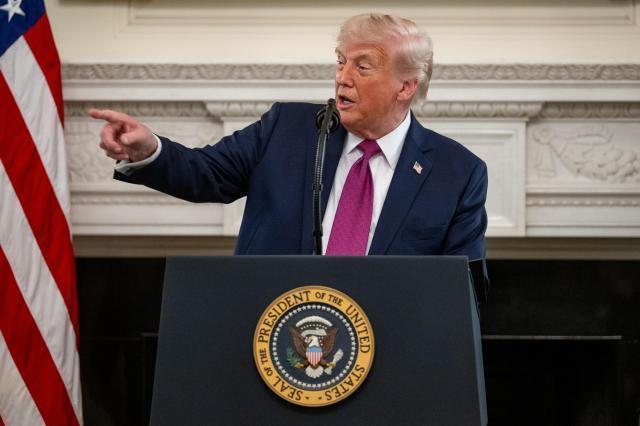
The focus is on changing the schedule. One diplomat said the 2027 summit in Albania is likely to be held in the fall, and that an option under discussion is not holding a summit in 2028. That year includes a U.S. presidential election and is Trump’s last full year in office.
Some members are also arguing for summits every two years, Reuters said. No decision has been made, and the final call will be made by NATO Secretary-General Mark Rutte.
NATO officials stressed that high-level consultations would continue. “NATO will continue to hold regular meetings at the highest level,” a NATO official told Reuters, adding that between summits allies would keep consulting, planning and making decisions on collective security.
The talks come amid strains between Trump and other NATO members. Reuters said the Trump administration has repeatedly criticized many of the 31 member countries other than the United States. More recently, it publicly rebuked some allies for not providing greater support for U.S. military operations against Iran.
Tensions are expected again at this year’s summit. Reuters reported that after allies declined to support the Iran war, Trump publicly questioned whether the United States should honor NATO’s mutual defense pledge and mentioned the possibility of withdrawal. His claim to sovereignty over Greenland, a Danish territory, also remains a source of friction within the alliance.
Some inside NATO argue that frequent summits can undermine long-term strategy. “It’s better to have fewer summits than a bad summit,” one diplomat told Reuters. Another official said the alliance should be judged by the quality of its discussions and decisions, not the number of meetings.
Analysts have voiced similar views. Phyllis Berry, a nonresident senior fellow at the Atlantic Council, wrote in a commentary last week that reducing top-level summitry could help NATO focus on its core work and lower tensions that have repeatedly surfaced in recent trans-Atlantic meetings. She also noted that during the Cold War, NATO held only eight summits over several decades.
Trump has applied heavy pressure at NATO summits before. At the 2018 summit, he threatened to walk out in protest over what he said was low defense spending by other members. Former NATO Secretary-General Jens Stoltenberg wrote in a memoir published last year that if Trump had actually left, “we would have had to pick up the pieces of a shattered NATO.”
* This article has been translated by AI.
Copyright ⓒ Aju Press All rights reserved.