
Public restrooms used by many people can look clean but still harbor hygiene blind spots. Toilet seats, in particular, can be exposed to bacteria and viruses including E. coli, Staphylococcus aureus and enterococci. The company also noted that flushing can disperse contaminants into the air, a so-called “sneeze effect,” underscoring the need for careful management.
Because many users repeatedly touch the same surfaces, the gap between visible cleanliness and actual microbial contamination can be significant, with a constant risk of cross-contamination. High-contact points such as toilet seats, flush levers and door handles are widely seen as core areas for hygiene control, driving demand for approaches that let users supplement routine cleaning themselves.
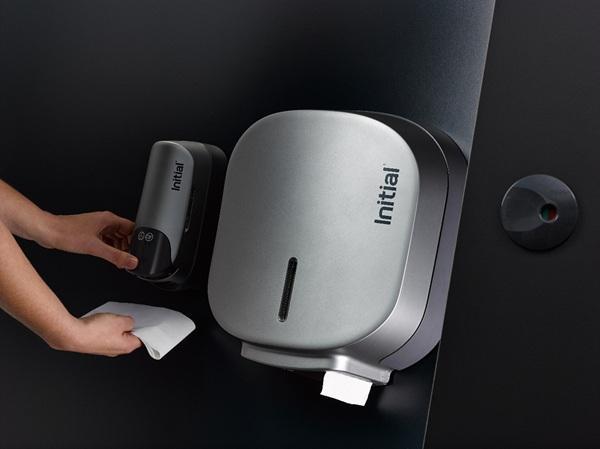
To address those risks, Rentokil Initial Korea said it is operating its “Initial toilet seat cleaner service.” The service allows users to spray cleaner onto toilet paper and wipe the seat themselves, enabling an immediate hygiene check without complicated steps. The company said the approach expands responsibility beyond facility operators to users, helping cover blind spots in shared-space sanitation.
The service can also be used on frequently touched areas such as door handles and flush levers, which the company said can help reduce contact-based infection risks. Rentokil Initial Korea said professional technicians visit regularly to replenish supplies and inspect equipment, creating an ongoing maintenance system rather than a one-time installation. The company said that can ease the burden on facility staff while helping maintain a consistent level of hygiene quality.
Industry observers also point to public restrooms as a factor that can shape the overall image of a building or store. Perceived hygiene levels are closely tied to user experience and can influence brand trust and willingness to return, they said. With public awareness of hygiene standards rising, detailed management focused on touch points and the adoption of professional solutions are increasingly viewed as essential, according to the analysis.
Separately, Rentokil Initial Korea said it is running a “referral promotion” from Jan. 1, 2026, to Dec. 31, 2026, to expand access to its premium hygiene services. The program targets existing customers and people who have used the service in the past, and is designed to broaden new customer contacts through recommendations based on firsthand experience.
* This article has been translated by AI.
Copyright ⓒ Aju Press All rights reserved.