
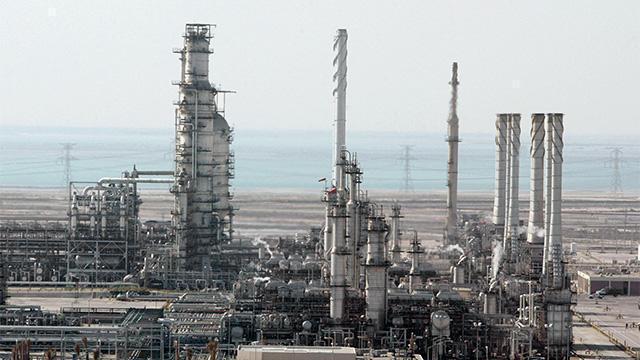
The United Arab Emirates said it will withdraw from the Organization of the Petroleum Exporting Countries, or OPEC, and the OPEC+ alliance.
Reuters and other outlets reported that the UAE Energy Ministry announced on April 28 (local time) that it will leave OPEC and OPEC+ on May 1, citing a commitment to “effectively contribute to meeting national interests and the market’s urgent needs.”
According to the report, the ministry said short-term volatility — including disruptions in the Arabian Gulf and the Strait of Hormuz — continues to affect supply dynamics, but underlying trends point to sustained growth in global energy demand over the medium to long term. It added that the UAE will gradually increase crude oil production.
Energy Minister Mohammed al-Mazroui told Reuters the move was a “sovereign national decision” based on the UAE’s strategic and economic vision.
He cited an “unprecedented situation” in which strategic crude stockpiles are being depleted to serious levels, saying that while the UAE has long been a member of OPEC and OPEC+, the world will need more energy in the future. He said the UAE judged this to be the right time to consider such a policy decision.
Asked whether the UAE consulted Saudi Arabia, which leads OPEC, al-Mazroui said it did not directly consult anyone in making the decision.
He said the move is unlikely to have a major impact on the market given conditions around the Strait of Hormuz. Still, some have raised concerns that the UAE’s exit could weaken OPEC’s ability to manage the market and increase oil price volatility.
* This article has been translated by AI.
Copyright ⓒ Aju Press All rights reserved.