
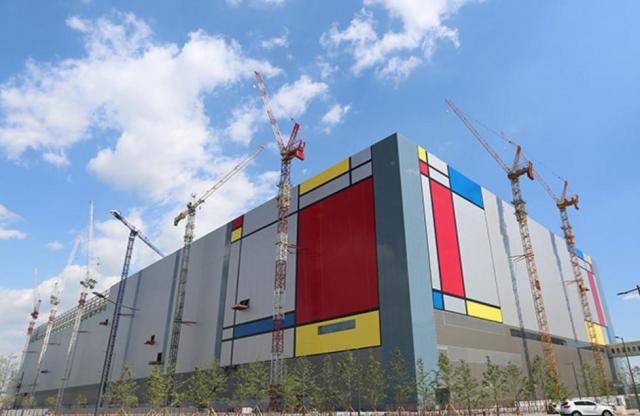
Samsung Electronics posted a first-quarter earnings surprise on the back of a semiconductor upcycle, but it could face major cost risks in the second quarter, including labor-management tensions, industry and financial sources said Saturday. Analysts warn that the union’s unusually large bonus demands and the possibility of a strike could significantly erode chip profits.
Market consensus for Samsung’s second-quarter results calls for revenue of 174.4 trillion won and operating profit of 86.8 trillion won, according to the sources. Operating profit at the Device Solutions (DS) division, which runs the chip business, is estimated in the 80 trillion won range — about a 50% increase from the prior quarter’s 53.7 trillion won.
How much of that improvement is realized may depend on the outcome of bonus negotiations, which could add costs in the trillions of won. The union is seeking to set aside 15% of annual operating profit for performance bonuses. With some forecasts putting Samsung’s full-year operating profit as high as 350 trillion won, accepting the proposal as-is would push bonus payouts above 50 trillion won.
The company has indicated the impact could begin as soon as the second quarter. On an April 30 first-quarter conference call, Samsung said bonus provisions were not reflected in first-quarter results because talks were ongoing, adding that “depending on the outcome of negotiations, whether and how much is reflected could be decided as early as the second quarter.”
Because bonus provisions are typically spread across quarters, a deal would likely require recognizing costs of several trillion won each quarter, potentially weighing on results through the second to fourth quarters even if operating profit hits a record.
If talks fail, Samsung could face a different kind of cost shock. The union has warned it will launch an 18-day general strike starting May 21. If labor action halts semiconductor production lines, losses of at least 10 trillion won are expected, the report said. Due to the nature of chip manufacturing, even a brief power outage or stoppage can force the disposal of all wafers in process on the affected line.
Industry officials also voiced concern that the dispute could undermine longer-term competitiveness as global rivalry intensifies and large-scale investment is needed to secure next-generation technologies such as high-bandwidth memory (HBM) and advanced foundry processes.
Lee Jong-hwan, a professor of system semiconductor engineering at Sangmyung University, said the prospect of large strike-related costs is “regrettable” at a time when expectations are rising for a rebound in foundry competitiveness. He said such costs could crowd out research and development funding needed to strengthen the nation’s semiconductor capabilities and weaken long-term growth drivers.
* This article has been translated by AI.
Copyright ⓒ Aju Press All rights reserved.