
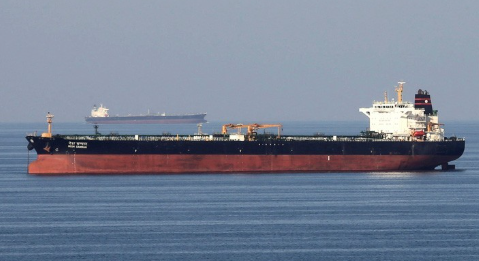
U.S. and Iranian forces clashed again in the Hormuz Strait, despite a ceasefire announced on April 7. The ongoing disputes over control of the strait and Iran's nuclear program highlight the fragile nature of the ceasefire.
On May 7, U.S. Central Command (CENTCOM) reported that Iran launched missiles, drones, and small boats at three U.S. Navy destroyers transiting the strait. In response, the U.S. conducted retaliatory strikes targeting missile and drone launch sites and command facilities. The U.S. stated that there were no damages to its assets, while Iran accused the U.S. of violating the ceasefire by attacking tankers and civilian areas.
This incident is not merely an accidental skirmish. According to AP, the conflict began in February with U.S. and Israeli airstrikes against Iran, and intermittent clashes have continued since the ceasefire was declared. This latest engagement underscores that as long as key issues remain unresolved, further conflicts are likely.
A significant concern is the negotiation framework. Reuters reported that the U.S. has presented a proposal to officially end the war, which Iran is currently reviewing. However, this proposal suggests declaring an end to hostilities before moving to detailed negotiations. Key issues, including Iran's nuclear program and the reopening of the Hormuz Strait, remain unaddressed.
Control of the Hormuz Strait is a critical factor in these negotiations. AP noted that Iran has recently established a new body to manage shipping through the strait and impose fees. While the U.S. seeks to restore normal shipping, Iran is leveraging control of the strait as a bargaining chip. This clash reflects a struggle not just for military dominance but also for maritime order and negotiation leverage.
The gap in negotiations remains wide. Reuters reported that reactions within Iran suggest the U.S. proposal is seen more as an American agenda than a realistic solution. The U.S. is sending mixed signals, combining hopes for negotiations with military pressure, indicating that the current phase is more about managing tensions than reaching a substantive agreement.
AP described the situation as an "unstable ceasefire," noting that direct negotiations have yet to yield a viable solution.
* This article has been translated by AI.
Copyright ⓒ Aju Press All rights reserved.