
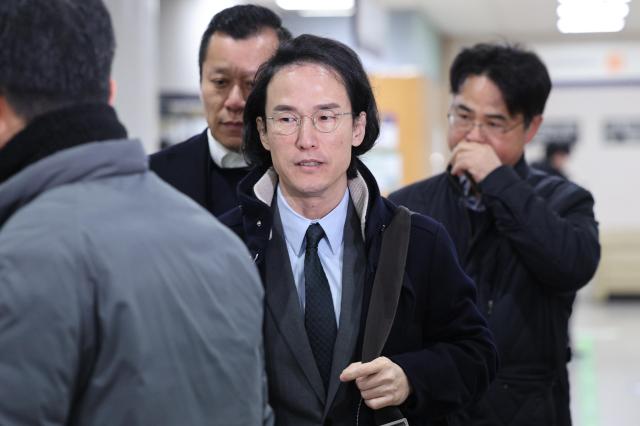
The Supreme Court has confirmed a two-year prison sentence for Cho Hyun-bum, CEO of Hankook & Company, who was charged with embezzlement and breach of trust involving approximately 2 billion won (about $1.5 million).
On May 8, the Supreme Court's first division, led by Justice Ma Yong-joo, upheld the lower court's ruling that sentenced Cho to two years in prison under the Act on the Aggravated Punishment of Specific Economic Crimes.
Initially, prosecutors alleged that Cho embezzled around 2 billion won of company funds, causing significant financial harm. However, the court ultimately determined the amount involved in the embezzlement and breach of trust to be about 200 million won.
The court found Cho guilty of self-dealing, stating he misused corporate funds for personal needs. The ruling detailed several instances of misconduct, including using a corporate credit card for personal expenses, having a company driver perform personal tasks for his spouse, purchasing or leasing five luxury vehicles under the names of affiliates for personal use, and covering moving costs and furniture purchases for his residence with company funds.
Conversely, the court acquitted Cho of charges related to improper support of affiliates, a key issue in the case. Prosecutors claimed that Hankook Tire incurred a loss of 13.1 billion won by purchasing tire molds from an affiliate at inflated prices, but both the first and second trial courts dismissed these claims due to insufficient evidence.
Additionally, a charge involving a loan of 5 billion won to a company associated with Hyundai Motor was initially deemed guilty in the first trial but was overturned in the second trial based on business judgment considerations, a decision the Supreme Court upheld.
Regarding sentencing, the first trial court had imposed a three-year sentence, but the second trial court reduced it to two years after finding some charges not guilty.
Both Cho's legal team and the prosecution appealed the verdict, but the Supreme Court rejected both appeals, stating there was no misunderstanding of the law in the lower court's ruling.
* This article has been translated by AI.
Copyright ⓒ Aju Press All rights reserved.