
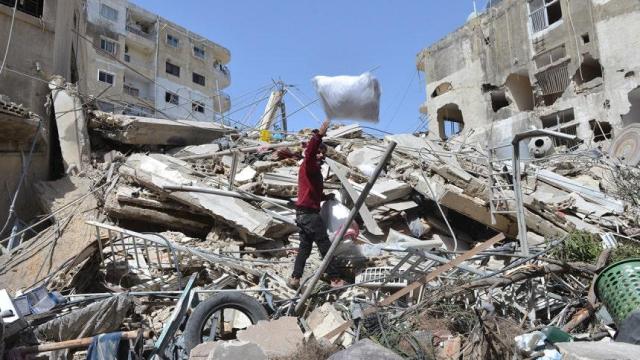
On May 18, the Lebanese Ministry of Health reported that since the fighting began on March 2, 3,020 people have died as a result of the conflict, including 292 women and 211 children.
The ceasefire, which started on April 17, has recently been extended for an additional 45 days. However, fighting has not ceased on the ground. Reuters reported that although the ceasefire extension was brokered by the United States, Israeli airstrikes and Hezbollah attacks persist. The Israeli military stated it struck over 30 Hezbollah-related facilities in the past 24 hours.
Civilian casualties continue to rise. On May 15, an Israeli airstrike hit a civil defense facility in southern Lebanon, killing at least six people, three of whom were emergency responders. The Lebanese state news agency reported that 22 others were injured in the attack.
The current conflict escalated in early March when clashes between Hezbollah and Israel intensified. Since then, Israel has conducted ground operations in southern Lebanon and airstrikes across the country, claiming these actions are aimed at preventing Hezbollah's rearmament.
Diplomatic solutions remain elusive. The United States is mediating an extension of the ceasefire and security agreements between Lebanon and Israel, but Hezbollah is not participating in negotiations. The Lebanese government is demanding a security agreement focused on the withdrawal of Israeli forces, while Israel insists on Hezbollah's disarmament and border security guarantees.
The prolonged conflict has led to a significant number of displaced persons. According to AP, more than one million people have fled their homes in Lebanon. Casualties have also been reported among Israeli soldiers and civilians, as well as UN peacekeeping forces.
* This article has been translated by AI.
Copyright ⓒ Aju Press All rights reserved.