
The South Korean government is resuming supply chain policy discussions with the European Union (EU) for the first time in over two years. This initiative comes as geopolitical tensions in the Middle East have heightened supply chain vulnerabilities.
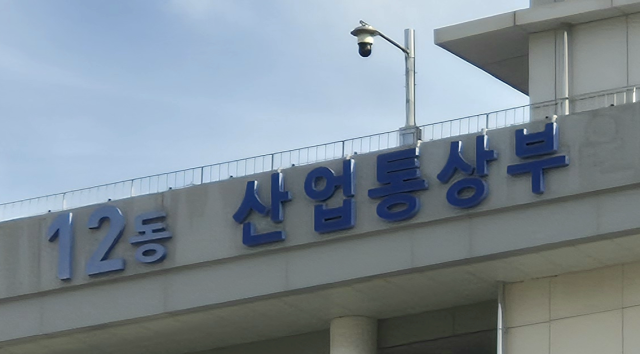
On May 21, the Ministry of Trade, Industry and Energy held the "2nd Korea-EU Supply Chain Policy Dialogue" in Seoul with the EU's Directorate-General for Growth. South Korea was represented by Deputy Minister Moon Shin-hak, while the EU delegation was led by Director-General Kirsten Jorna.
The Korea-EU supply chain policy dialogue was established to expand existing industrial policy discussions to include supply chains, launching its first meeting in December 2023 following a summit between the two sides. This meeting, which resumed after two years and five months, aimed to assess the current state of cooperation in supply chain and industrial policy and discuss subsequent measures.
Global supply chains have been significantly impacted by geopolitical risks, including the prolonged Russia-Ukraine conflict, rising tensions in the Middle East, and intensified U.S.-China strategic competition, leading to increased uncertainty in the supply of raw materials, energy, and critical components.
Particularly concerning is the recent blockage of the Strait of Hormuz, a strategic chokepoint through which a significant portion of the world's oil maritime traffic passes, contributing to volatility in the international energy market.
In response, both sides shared their policies for stabilizing supply chains amid ongoing disruptions caused by geopolitical conflicts and the closure of the Strait of Hormuz.
The South Korean delegation introduced a supply chain bill aimed at establishing a multi-agency support system and an early warning system to quickly detect signs of supply crises for critical items such as materials, components, and equipment. They also exchanged views on the EU's current status and plans for building a supply chain monitoring system.
Discussions also covered trends in industrial policy and key legislative directions. The South Korean side emphasized the need for the EU's industrial acceleration law and other major policies to be designed and implemented in a way that strengthens the close linkage of supply chains between the two regions. Cooperation in strategic industries, including critical minerals and batteries, as well as investment collaboration between companies, were also key agenda items.
The Ministry of Trade, Industry and Energy plans to continue expanding cooperation in supply chains for strategic industries such as critical minerals and batteries, while strengthening economic security and industrial policy collaboration with the EU.
Deputy Minister Moon stated, "Korea and the EU are strategic partners that share universal values of freedom, human rights, and the rule of law, and we have significant potential for complementary cooperation in advanced industries and supply chains. I hope this dialogue leads to tangible outcomes and becomes a key channel for solidifying supply chain stabilization and industrial cooperation between Korea and the EU."
* This article has been translated by AI.
Copyright ⓒ Aju Press All rights reserved.