
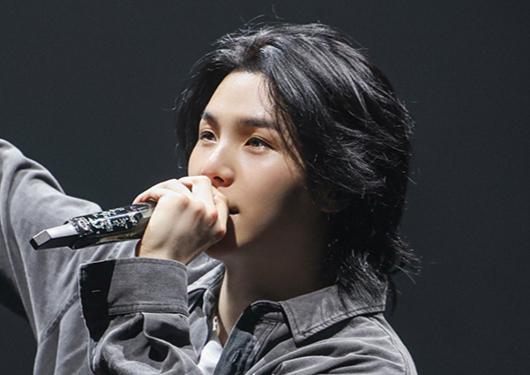
SEOUL, January 23 (AJP) - The return of BTS as a full seven-member group this spring is dominating headlines, charts and countdown clocks. But for fans, the calendar holds more than just album drops and stage schedules. In the BTS universe, every detail matters — including birthdays.
SUGA turns 33 on March 9, and long before the candles are lit, the celebration has already spilled into cafes, timelines and city streets. For fans, this is not a side event. It is the event.
To become a fan in Korea is not simply to admire from a distance. It is to enter a parallel world — one built on devotion, design, logistics and an almost ceremonial sense of care. Fandom here demands labor and money, yes, but also creativity, community and a distinctly Korean flair for making affection visible.
That spirit is on full display this month through the now-familiar ritual of the “birthday cafe.”
A birthday that doesn’t stay in one city
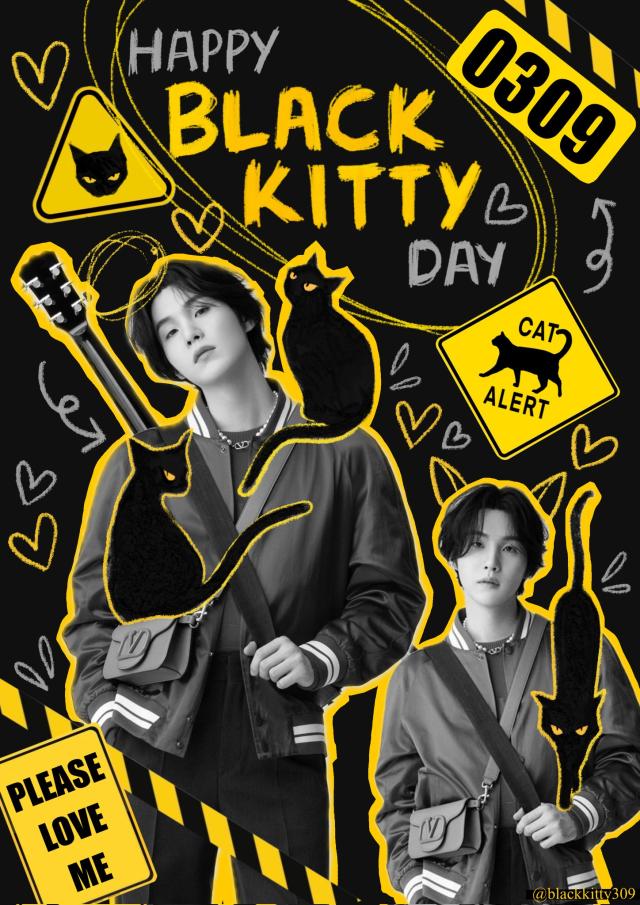
Fan-organized birthday cafes honoring SUGA will run from March 6 to March 9 at L’ombre 378, according to organizers. The event announcement ricocheted across social media, inviting fans to document their visits using hashtags such as #탕이아빠생축, #HBD_to_our_black_kitty, and #Happy_black_kitty_day — affectionate nicknames that need no translation within the fandom.
Inside, visitors will receive a carefully curated set of fan-made gifts: photo cards, postcards, stickers and a key ring. Those who complete a full set can expect additional items, including a shopping bag and pin badge. Organizers have teased further perks — from first-come giveaways to lucky draws — to be announced closer to the date.
The planning, notably, is not confined to Seoul. BTS birthdays rarely are. What looks like a cafe event is, in practice, a coordinated global gesture — replicated, localized and shared across borders in real time.
From letters to LED lights — and then to tables you can sit at
Birthday cafes did not appear overnight. They are the latest chapter in the long evolution of Korean fandom culture.
In the early generations, celebration was largely indirect. Fans mailed handwritten letters and postcards to broadcast stations or entertainment agencies. Support arrived in bulk rice wreaths, snack deliveries to music show waiting rooms, or congratulatory ads placed in newspapers and magazines.
As online platforms expanded in the 2000s, fan cafes and message boards became the main stage. Digital banners, collective letters and charity donations made in an artist’s name flourished. The affection was visible — but mostly on screens.
Then came the era of scale. LED billboards in subway stations, bus stop ads and even city buses wrapped in idols’ faces turned birthdays into urban landmarks. They were impressive, but untouchable. You could see them — not enter them.
Birthday cafes changed that.
Emerging in the early 2010s, often near entertainment company offices, they began as modest gatherings. A few printed photos taped to walls, handwritten notes, fans lingering over drinks. The shift was subtle but profound: celebration moved from being displayed to being shared.
How a fan ritual became a format
Over time, birthday cafes became standardized. Dates, locations and themes now circulate primarily on X (formerly Twitter), where fans exchange maps, schedules and visual guides with near-professional precision. What began as informal meetups evolved into a recognizable format — complete with themed interiors, curated visuals and coordinated merchandise.
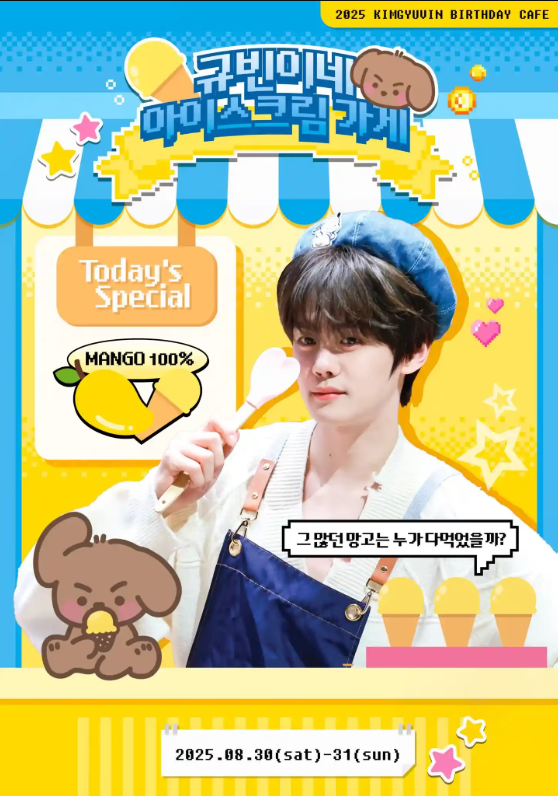
A fan of rookie group ZEROBASEONE (ZB1), Kim So-jun, remembers when proximity mattered most.
“They were often held near the company building,” Kim said. “Sometimes there were rumors that idols stopped by. I never saw it myself, but I heard that an idol I liked had visited a birthday cafe once.”
As the scale grew, some cafes began incorporating small exhibitions or concepts tied to albums and performances. Still, fans are careful not to treat birthday cafes as a hierarchy.
“I think a birthday cafe is just one of many ways to celebrate an artist,” Kim said. “There are also LED billboards, bus ads and other methods. This is simply one option.”
Offline affection in a hyper-online world
Promotion happens online, but the ritual is completed offline. Fans gather to meet others who share the same affection, trading conversations, stories — and fan-made goods.
Foreign fans are increasingly visible.
“It’s both,” said Lee Jun-su, a fan of fromis_9, when asked whether people come for interaction or the cafe experience itself. “Some come to connect with other fans, and some come because birthday cafes feel uniquely Korean. But everyone comes with the same intention — for the artist.”
Official merchandise is not sold, but fan-made items circulate freely.
“There’s a lot of fun in seeing each item,” Lee said. “You can tell they were made with care.”
Artists themselves rarely appear at these events, though rumors occasionally swirl. Yet the absence hardly diminishes the meaning.
“Wanting to celebrate the artist’s birthday is the biggest reason,” Lee said. “Even if the artist doesn’t come, that doesn’t change.”
From idols to icons
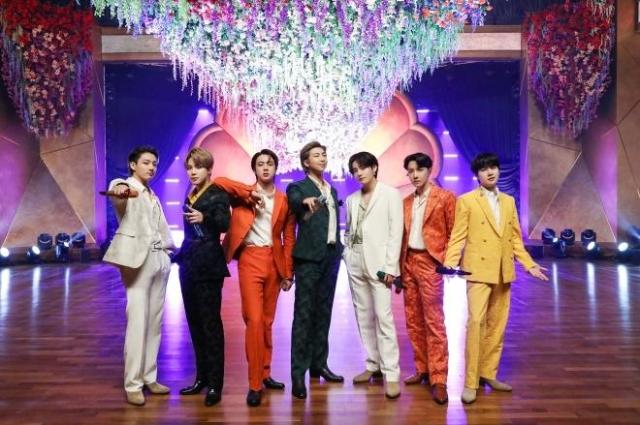
What began with global superstars like BTS has now expanded far beyond K-pop. Birthday cafes are now organized for rookie idols, television producers — and even historical figures.
Fans have commemorated scientists such as Isaac Newton and figures like King Sejong, the creator of the Korean alphabet, using the same format. The cafe has become less about celebrity and more about remembrance — a way to mark significance through space, repetition and presence.
Asked to define birthday cafes in one sentence, one fan offered a modest reply.
“They’re just one of many ways to celebrate an artist.”
Yet taken together — from handwritten letters to billboards, from bus ads to cafes — birthday cafes reveal something larger. In Korean fandom, celebration has evolved from being seen, to being shared, and finally, to being lived.
And in the world of BTS, even a birthday is never just a date on the calendar.

Copyright ⓒ Aju Press All rights reserved.
