
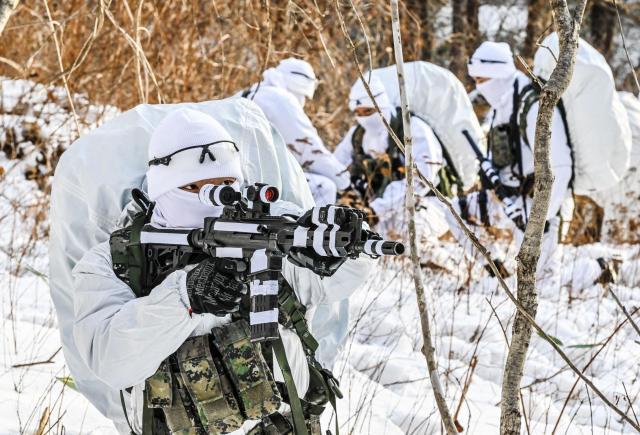
That closeness breeds plenty of barracks stories: seniors jokingly telling new recruits to buy a rifle at the PX, or a trainee getting reprimanded all day after losing a gas regulator at the range. The gas regulator is a small part that can come loose with a light touch, making it a common target for pranks.
Rifles long seen as routine military gear are now being sold overseas. Weapons once described simply as “individual arms” have become part of the global defense market. Here is where South Korea’s rifle and ammunition industries stand — and where they may be headed.
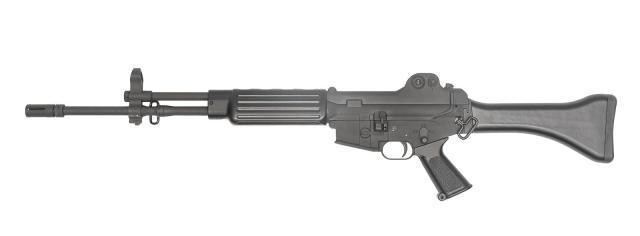
The K2 rifle, familiar to many South Koreans through reserve duty, is mainly produced by SNT Motiv. It is widely known as a South Korean adaptation of the U.S. M16. Weighing 3.26 kilograms, it can be fitted with a bayonet for close combat.
In the late 2000s, bayonet drills were taught in basic training. Close-quarters fighting can be useful in mountainous terrain, a theme also depicted in the Korean War film “The Front Line.”
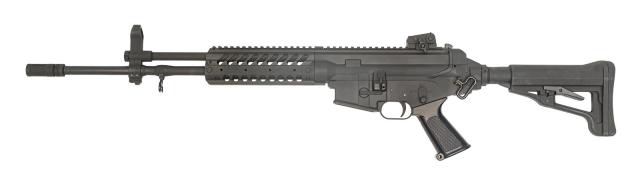
The K2’s look has changed significantly. The K2C1, introduced in 2016, is an upgraded model designed for modern combat. Its handguard allows easier mounting of equipment such as optics, and its stock can be adjusted for different body sizes.
An SNT Motiv official said the upgrade reflected the fact that soldiers have grown larger over the past 30 years since K2 production began. The official said detachable sights and the ability to add a forward grip improved ease of use and combat effectiveness.
After the upgrade, the K2C1 became a main domestic weapon. SNT Motiv supplied 16,000 units to South Korea’s military for domestic use in 2024 and another 16,000 last year. Since it was fielded in 2016, cumulative domestic deliveries have reached about 190,000 units. Over the same period, about 40,000 units are reported to have been exported as markets opened in the Middle East and Southeast Asia.
SNT Motiv posted operating profit of 102.6 billion won last year, up 4.5% from a year earlier. Dasan Machineries also added to the export trend, signing a contract early this year to export about 15,000 DSAR-15P 5.56 mm carbine rifles to the Philippines.
A Dasan Machineries official said the company secured an edge with a clear bidding strategy in competition with defense firms from Brazil, Turkey and the Philippines.
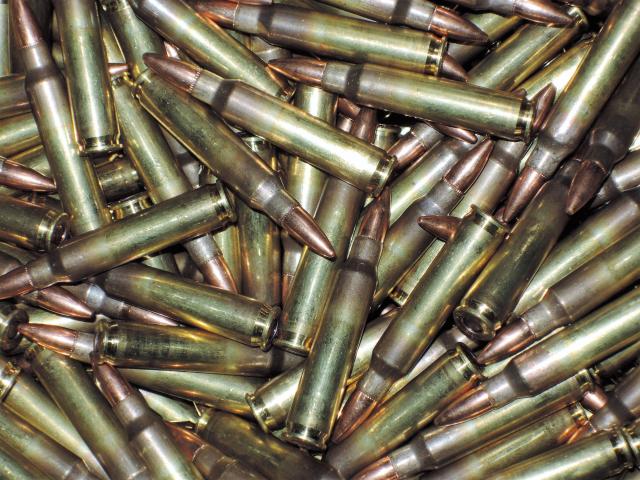
Ammunition is so tightly controlled in the military that units typically have a dedicated noncommissioned officer overseeing it. Many reservists recall spending hours searching for missing shell casings after live-fire training.
South Korea’s leading ammunition maker is Poongsan. Much of the 5.56 mm ammunition issued at firing ranges is produced there. According to filings with the Financial Supervisory Service’s electronic disclosure system, Poongsan posted 775.9 billion won in revenue last year through the third quarter from sales of military and sports ammunition. Over the same period, its U.S. subsidiary, PMC Ammunition, recorded US$99.7 million (1.435 trillion won) in results, reflecting sales of small-caliber rounds beyond South Korea and into the U.S. market.
Ammunition has taken on greater importance as drones emerge as a key threat in modern warfare, spurring competition to develop rounds designed to intercept them. In the global defense industry, developing 30 mm airburst ammunition for counter-drone use has become a major task.
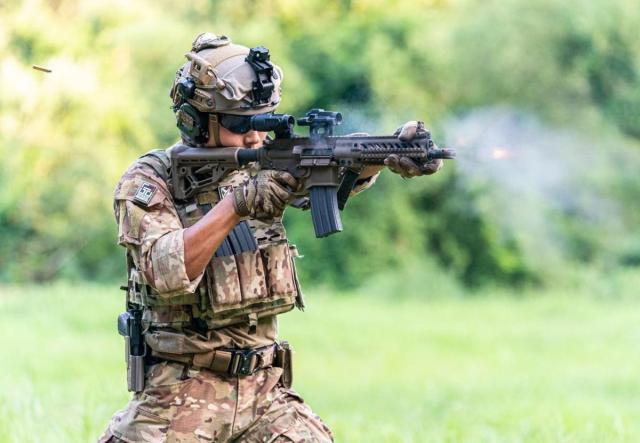
Research and Markets forecasts the counter-drone ammunition market will grow at an average annual rate of 14.5%, from US$1.52 billion in 2025 to US$1.75 billion this year.
Nam Myeong Ryeol, head of Korea University’s K-Defense Industry Research Center, said South Korean rifles are drawing attention in export markets because they perform reliably in harsh conditions, can be supplied in large quantities on time, and are price-competitive.
<Editor’s note>
Covering the defense industry. Aju Business Daily reporter Oh Ju Seok enlisted as an enlisted soldier at a unit in Incheon in 2009 and was discharged in 2013 with the rank of staff sergeant. He describes himself as a middle-aged military enthusiast who still cannot let go of the armed forces, and asks seniors and juniors for their support and guidance.
* This article has been translated by AI.
Copyright ⓒ Aju Press All rights reserved.