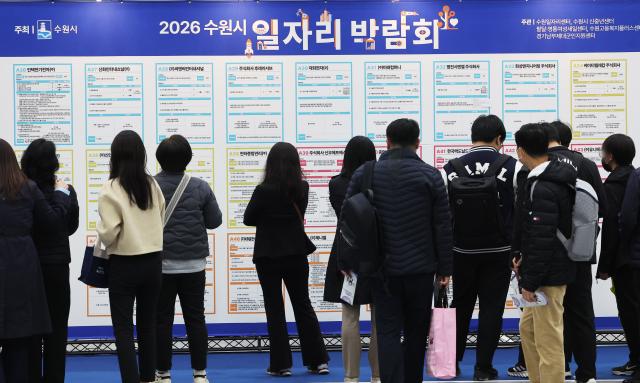
SEOUL, April 19 (AJP)-One in four unemployed South Koreans are young people under 30, as the country’s total jobless climbed back above 1 million for the first time in five years, pointing to a structural cliff at the entry level in the labor market.
According to data released Sunday by Statistics Korea via KOSIS, the number of unemployed averaged 1.029 million in the January–March quarter, up 49,000 from a year earlier. It marked the first time since 2021 that first-quarter unemployment has exceeded 1 million, extending a three-year upward trend.
The headline figure masks a sharper deterioration among younger workers. A total of 272,000 people aged 15 to 29 were unemployed in the first quarter, accounting for 26.4 percent of the total. Youth unemployment rose by 10,000 from a year earlier, marking a second consecutive annual increase.
The youth unemployment rate climbed to 7.4 percent, up 0.6 percentage point on-year and the highest level for a first quarter since 2021, when the pandemic pushed it to 9.9 percent.
Behind the rise lies a structural shift in hiring. Companies are increasingly favoring experienced workers, while large-scale open recruitment has given way to rolling, position-based hiring — a transition that has prolonged job searches for new entrants and recent graduates.
Employment data underscore the strain. The number of employed young people fell by 156,000 on-year to 3.423 million in the first quarter, extending a decline to a 14th consecutive quarter. It marks the smallest youth employment level since comparable records began in 1980.
While demographics are part of the story, they do not fully explain the drop. The youth population declined by 2.0 percent over the same period, but employment fell by 4.4 percent — more than twice as fast.
That gap is reflected in the employment rate. The youth employment rate dropped to 43.5 percent, down 1.0 percentage point from a year earlier and the lowest for a first quarter in five years.
In contrast, employment among those in their 30s continues to strengthen, suggesting delayed — rather than foregone — labor market entry. The employment rate for people in their 30s rose to 80.7 percent, the highest on record for a first quarter.
A rise in applicants preparing for civil service exams also contributed, as individuals actively seeking work are classified as unemployed rather than economically inactive.
The data point to a labor market increasingly defined by transition frictions, where young people cycle longer between inactivity, job search and employment before securing stable positions.
The government is expected to roll out a package of youth employment measures later this month, including programs to strengthen job readiness, expand work experience opportunities and support re-entry into the labor market.
Copyright ⓒ Aju Press All rights reserved.