
A long-running myth in politics holds that leaders who sleep less and work more are more capable. Images of a leader reading briefs until dawn, making late-night calls and returning to the schedule after only a few hours of rest are often sold as proof of dedication and toughness.
But running a country is not a test of personal grit. Because one person’s condition can affect the lives of millions, a leader’s lack of sleep can no longer be treated as a private habit.
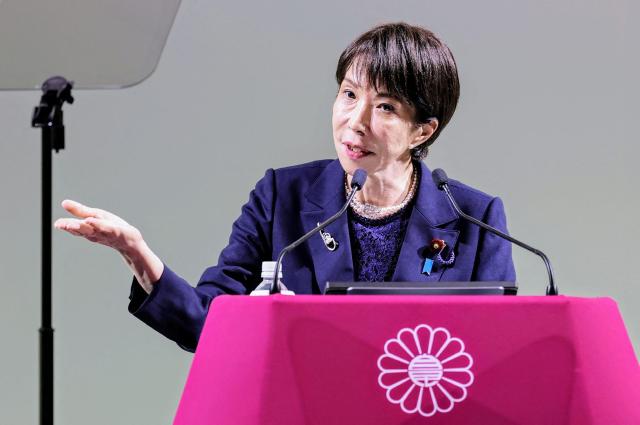
Japan Prime Minister Sanae Takaichi recently drew attention after saying she generally sleeps “two hours, at most four,” adding that she “would like to sleep a bit more.” She said her short sleep stems from policy reviews and a packed schedule, as well as family caregiving and housework. Some in Japanese politics have voiced concerns about worsening health, impaired judgment and weaker communication.
U.S. President Donald Trump has also remained in the spotlight for predawn messages, sudden remarks and a punishing schedule. In a recent series of comments on Middle East developments, assessments said his frequently shifting messages caused significant confusion in markets and diplomatic circles.
The core issue is not simply how many hours a leader sleeps. The concern is that sleep deprivation can degrade the quality of decisions. Medical and brain-science research has long warned that lack of sleep can be linked to reduced concentration, increased impulsiveness, failed emotional control and errors in judging risk. If that is dangerous for a corporate chief executive, it can be far more damaging for national leaders who make decisions on war and diplomacy, interest rates and disaster response.
A leader’s day is unlike anyone else’s. Security crises, sudden market swings, major accidents and natural disasters can erupt at any hour, including in the middle of the night. If the person expected to make calm decisions is already exhausted, the country can pay unnecessary costs. A single remark can rattle markets, and one misjudgment can widen diplomatic conflict.
Even so, politics still romanticizes “sleepless leadership.” All-night briefings, dawn meetings and overloaded schedules are packaged as evidence of responsibility. But that is closer to a leftover of outdated workplace culture. The ability to endure fatigue is not the same as the ability to govern. Staying awake longer does not make anyone wiser.
More advanced leadership manages fatigue through systems. Staff members refine information, schedules are adjusted by priority, and leaders preserve their best condition for decisive moments. Governing is a marathon, not a contest in going without sleep. The idea that a leader must personally read every document and attend every meeting may look like diligence, but it often signals distrust of the organization and breeds inefficiency.
South Korean politics is no exception. During presidential, parliamentary and local elections, candidates crisscross the country on little sleep, and after winning they cite early-morning arrivals and late-night reports as proof of sincerity. But the public wants a prepared leader, not an exhausted one — accurate judgment, not dark circles, and steady results, not photos of relentless travel.
A leader’s health is private, but it is also a public asset. The condition of a president, prime minister or minister is tied to national risk. Adequate rest, transparent health management and reasonable division of work are not perks; they are responsibilities.
Power without sleep should no longer be treated as a feel-good story. Sleep deprivation may be less a virtue than a warning sign. The more responsibility a leader carries, the more they must rest. The public needs not a weary hero, but an accountable decision-maker with a clear mind.
* This article has been translated by AI.
Copyright ⓒ Aju Press All rights reserved.