
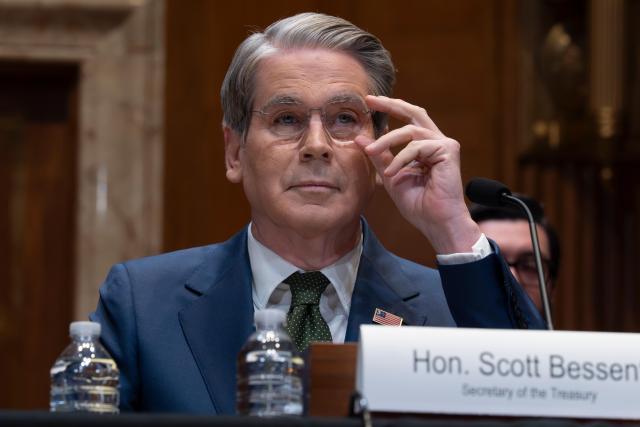
In a post Monday on X, Bessent said the Treasury Department, through an operation he called “Economic Fury,” targeted Iran’s international shadow financial infrastructure, access routes to cryptocurrency, the so-called “shadow fleet,” weapons procurement networks, funding channels for regional proxy forces, and independent Chinese “teapot” refineries that support Iran’s oil trade.
He said the measures blocked “tens of billions of dollars” in revenue that could be used to finance terrorism. Bessent added that under the president’s “maximum pressure” policy, prices in Tehran have doubled and the currency has sharply weakened.
Bessent also said Iran’s main crude export terminal, Kharg Island, is expected to near its storage limits, forcing the Iranian government to cut oil production. He said that could mean additional revenue losses of about $170 million a day and could cause permanent damage to Iran’s oil infrastructure.
He said Treasury will continue the maximum-pressure campaign and warned that individuals, ships and institutions that help illegal flows of money to Tehran risk U.S. sanctions.
A day earlier, Bessent warned that individuals or companies doing business with sanctioned Iranian airlines could also face sanctions. “Transactions with sanctioned Iranian airlines carry the risk of U.S. sanctions,” he wrote, urging governments to take steps to ensure their companies do not provide services — including jet fuel, catering, landing fees or maintenance.
He said Treasury will maintain maximum pressure and would act against third parties that help or carry out Iran-related transactions, adding that individuals, ships and institutions supporting illegal funding flows to Tehran could be sanctioned.
With ceasefire talks between the United States and Iran at an impasse, the United States appears to be increasing economic pressure on Iran in an effort to gain leverage in any future negotiations.
* This article has been translated by AI.
Copyright ⓒ Aju Press All rights reserved.