
When the tide goes out, what was hidden is exposed. A line attributed to the Chinese poet Su Shi has become a shorthand for what the Iran war is revealing about the global economy.
In years of ample liquidity and optimism, the world rode a wave of growth. The shock of war has pushed that water back, exposing structural weaknesses. China, the world’s largest oil importer, is now at the center of that strain.
Global outlets have pointed to early signs. The BBC recently reported that the war’s fallout is hitting China’s textile and apparel sector as oil prices surge. Polyester prices, tied to petroleum-based inputs, rose by about 20% in a short period, pushing up production costs. Factories in Guangzhou and Zhejiang have delayed orders or cut output because they cannot absorb higher costs. Some traders warned that “at this cost structure, global clothing price increases are inevitable.”
The pattern is familiar: war lifts crude prices, and the shock moves from petrochemicals to textiles and then to consumer prices, underscoring how deeply modern industry depends on oil.
The pressure is broader than textiles. The Financial Times and The Wall Street Journal have said Chinese manufacturing is facing a double hit from higher raw-material costs and logistics disruptions. The electric-vehicle sector, which has relied heavily on Middle East markets, has been unexpectedly hard hit. With shipping constrained, ports are filling with vehicles waiting to be exported, tightening cash flow. For some companies, where the Middle East accounted for 80% to 90% of exports, business has nearly ground to a halt.
Demand may exist, but supply is blocked — a hallmark of a wartime economy.
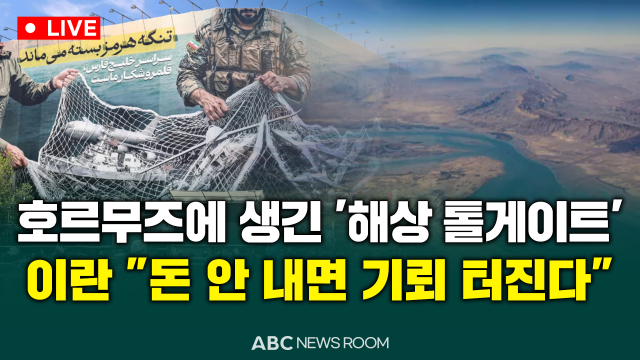
The economic shock is also becoming a diplomatic dilemma. China imports more than about 10 million barrels of crude oil a day, much of it from the Middle East and routed through the Strait of Hormuz. About 20% of the world’s oil shipments pass through the strait, making it a critical chokepoint. If it is blocked or becomes too risky, China would face not only higher prices but physical supply disruptions.
China has built up strategic petroleum reserves, but the International Energy Agency has said stockpiles are only a short-term buffer, not a long-term solution. They may buy weeks or months, but they cannot replace the supply chain itself. At the same time, alternative sources such as Venezuela and Iran remain unstable because of sanctions and geopolitical risk.
State refiners including Sinopec and Sinochem are also under pressure. When crude prices jump, refining margins become volatile, and government price controls can further squeeze profitability. International media have described the companies as moving into “crisis management mode,” a sign that the energy foundation of the broader economy is under strain.
China is trying to maintain strategic cooperation with Iran while also strengthening economic ties with Saudi Arabia. It can expand purchases of Russian crude, but logistics and payment constraints remain.
Energy supply chains are becoming more politicized amid strategic competition with the United States. Reuters reported that “China is positioning itself as a stable economic partner and a peace mediator, but in reality it is moving under the urgent interests of energy security.”
Iran is not just a supplier. Its ability to influence the Strait of Hormuz is a strategic asset. Even without an actual blockade, the possibility can jolt markets, driving up prices, insurance costs and shipping risk. Energy, in this environment, is increasingly treated as a strategic asset tied to politics, security and diplomacy.
Russia is another pillar. After Western sanctions, Russia built new markets by selling discounted oil to China and India. That can help China in the short term, but it also raises the risk of dependence on a narrower set of suppliers. As these moves intersect, the world is sliding into a cycle of “blockade and counter-blockade.”
The next month is expected to test China’s ability to balance these pressures. If oil prices rise further, cost strains on manufacturers will intensify. If exports do not recover, inventories and debt could worsen at the same time. Domestic demand could also weaken under inflation pressure. International investment banks have been cutting their short-term growth forecasts for China.
The article argues this should not be viewed as a routine business cycle. China’s growth model — low-cost production, stable supply chains and large-scale exports — is being shaken simultaneously by higher input prices, logistics disruptions and geopolitical risk.
As the war drains away the water, the rocks underneath are becoming visible. China may try to ride out the immediate shock with stockpiles and diplomacy, but the longer-term tasks — reshaping its energy structure, diversifying supply chains and upgrading industry — are harder, and time is limited. The central question, the article concludes, is whether the crisis ends as a temporary shock or becomes a trigger for structural change.
* This article has been translated by AI.
Copyright ⓒ Aju Press All rights reserved.