
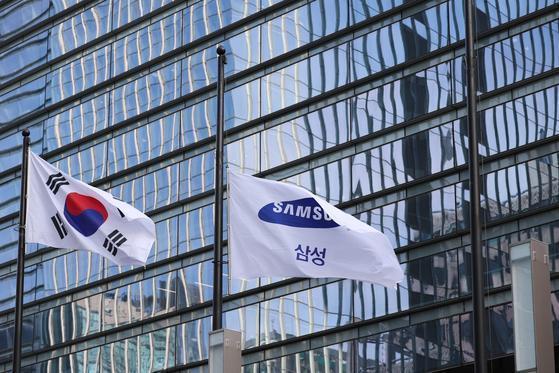
The Samsung family has finished paying about 12 trillion won in inheritance tax on the estate of the late Chairman Lee Kun-hee. The payments, made in six installments over five years starting in 2021, conclude what is described as the largest inheritance-tax payment in South Korean history. The case is not only a private matter for a controlling family; it highlights how the inheritance-tax system intersects with corporate succession and the capital markets.
Lee’s estate, including stakes in affiliates and real estate, was valued at about 26 trillion won, and the inheritance tax was reported at nearly half that amount, about 12 trillion won. The figure exceeds last year’s total national inheritance-tax revenue of 8.2 trillion won, making it a notable contribution to public finances. Paying legally required taxes is expected, but the size and ripple effects are unusual even by global standards.
Inheritance taxes are intended to curb the intergenerational transfer of wealth and improve tax fairness. With asset concentration deepening, the rationale for such a tax remains clear. In South Korea, where concerns about economic concentration are significant, the tax also serves public purposes such as securing revenue and supporting equal opportunity.
At the same time, the Samsung case has renewed debate over whether South Korea’s inheritance-tax burden is excessive. When a premium valuation for controlling shareholders is added, the effective tax rate can rise to among the highest in the world. For founder- and owner-led companies whose wealth is concentrated in shares rather than cash, paying the tax can force stock sales, higher dividends or increased borrowing.
Over time, that can weigh on management stability and investment capacity. If inheritance taxes weaken corporate competitiveness, the system’s design should be reviewed.
Many mid-sized and small companies in South Korea also face succession pressures, with some considering selling the business or shutting down because of inheritance-tax costs. If family firms with strong technology are pushed into foreign ownership or close operations, the broader economy can suffer, the article said, calling it an issue for the entire industrial ecosystem, not only large conglomerates.
The answer, however, is not simply cutting taxes. Calls to lower inheritance taxes across the board are unlikely to win broad public support. The challenge is balancing fairness with growth.
The article suggested several directions: making payment schedules more flexible for shares transferred for succession under certain conditions, or adjusting burdens in exchange for commitments to maintain jobs and investment; re-examining the rationale for the controlling-shareholder premium, which can be seen as a double burden on top of market-based taxation; and tightening enforcement against abusive gifting and tax avoidance. It called for a system that supports lawful succession while blocking illegal transfers.
The Samsung family’s completion of the 12 trillion won payment is likely to be recorded as a case of responsible tax compliance. It also raises questions about how well South Korea’s tax system reflects corporate realities in an era of global competition. The article said countries are revising rules to balance attracting capital, supporting corporate growth and maintaining tax fairness, and argued South Korea should not remain bound to older frameworks.
The article said collecting more taxes is not an end in itself; what matters is collecting fairly on a sustainable growth base and using revenue efficiently. It called the Samsung case a starting point and urged politicians and the government to move beyond emotional arguments and begin serious discussions on inheritance-tax reform that considers both corporate succession and national competitiveness.
* This article has been translated by AI.
Copyright ⓒ Aju Press All rights reserved.