
The heat itself may not seem shocking in a country with four distinct seasons, known for humid summers, but what stands out is how early it arrived. As the country begins to feel more like subtropical Asia before summer officially starts, such weather no longer feels incidental and is becoming the new norm.
And South Korea is not alone. Across Asia, unusually warm weather has been arriving earlier and more frequently in recent years. Countries including China, India and Thailand have all experienced stronger heat waves and longer summer seasons.
The Philippines and Thailand have issued repeated public health warnings as temperatures soared. In China, provinces have swung between drought and sudden flooding with growing frequency. Japan has also recorded unusually warm conditions, continuing a pattern that is becoming harder to dismiss as a seasonal irregularity.
In Seoul, the changes can seem small at first. Spring feels shorter. Warm nights arrive earlier. People search for shade in May instead of June. What once felt unusual is slowly becoming normal. Cherry blossoms bloom earlier almost every year, only to fade more quickly in bursts of unusual heat.
Meteorologists have long warned that climate change would make extreme weather more common across the region, and many Asian cities are now beginning to feel that shift in everyday life.
Climate change does not mean every hot day is caused by global warming. But it does increase the likelihood of extreme temperatures occurring more often and with greater intensity. In other words, the weather is becoming less predictable and more extreme.
The danger is not simply hotter days. It is the growing unpredictability. Seasons are becoming less reliable, less familiar and less tied to the rhythms people once trusted. Spring shrinks. Summers lengthen. Extreme weather arrives earlier and lingers longer.
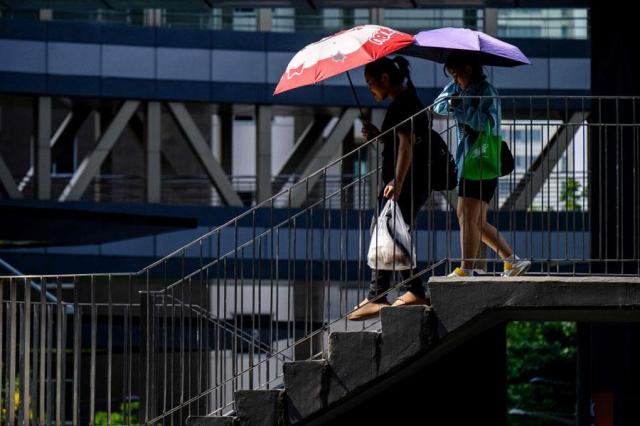
Asia is warming faster than many other parts of the world, and densely populated cities are especially vulnerable. Concrete buildings and roads trap heat, making urban areas feel even hotter during periods of unusually warm weather.
For many people, climate change is no longer something distant or theoretical. It is being felt through changing seasons, uncomfortable nights and earlier summers. People are beginning to adjust to conditions that would once have seemed abnormal. When temperatures above 30 degrees Celsius in May no longer surprise anyone, it may be a sign of how fast the climate itself is changing.
Copyright ⓒ Aju Press All rights reserved.