SEOUL, January 12 (AJP) - South Korea has uncovered a large-scale scheme to illegally import Chinese agricultural products that bypassed quarantine procedures or included items banned from entry.
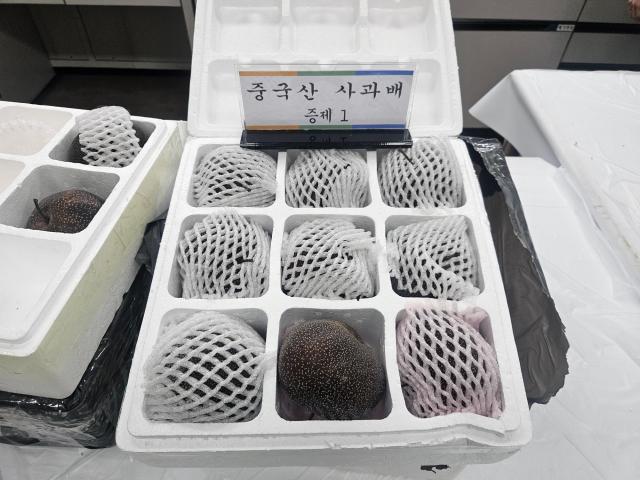
The Animal and Plant Quarantine Agency said Monday it had identified 12 suspects — three brokers and nine importers — accused of bringing uninspected Chinese dried jujubes, raw peanuts and dried chili peppers, as well as prohibited items such as fresh fruit and apple seedlings, through Incheon port between December 2023 and January 2025.
Nine of the suspects are expected to be referred to the Incheon District Prosecutors’ Office later this month, the agency said.
Authorities said the seized and confirmed illegal imports totaled about 1,150 metric tons, the largest amount ever detected by the agency, with an estimated domestic wholesale value of 15.8 billion won.
Investigators said they initially discovered 33 tons of Chinese dried farm products during a raid on a warehouse in Gimpo in January last year. A subsequent analysis of electronic data, including mobile phones belonging to the suspects, uncovered evidence of an additional 1,100 tons of illegally imported Chinese seedlings and farm products over roughly a year — equivalent to an average of about 10 container trucks a month.
According to the agency, the suspects worked with Chinese exporters and used a concealment method known as “curtain covering,” disguising agricultural goods as pet supplies in shipping containers. Investigators said the group filed false customs declarations claiming the shipments contained only pet products, allowing them to evade quarantine inspections and customs checks.
Chinese apple seedlings and fresh fruit are strictly banned from import because they can host fire blight, a highly contagious plant disease that has caused recent damage to South Korean apple and pear orchards, the agency said.
Dried agricultural products such as chili peppers and jujubes are also subject to mandatory quarantine inspections to prevent the introduction of invasive pests and plant diseases.
Under South Korea’s Plant Protection Act, illegally importing agricultural products without quarantine inspection carries penalties of up to three years in prison or fines of up to 30 million won.
“Unregulated imports of uninspected dried farm products, seedlings and banned fresh fruit pose a direct risk of introducing invasive pests and diseases and can seriously harm agriculture and forestry,” Choi Jeong-rok, head of the Animal and Plant Quarantine Agency, said.
* This article, published by Aju Business Daily, was translated by AI and edited by AJP.
Copyright ⓒ Aju Press All rights reserved.