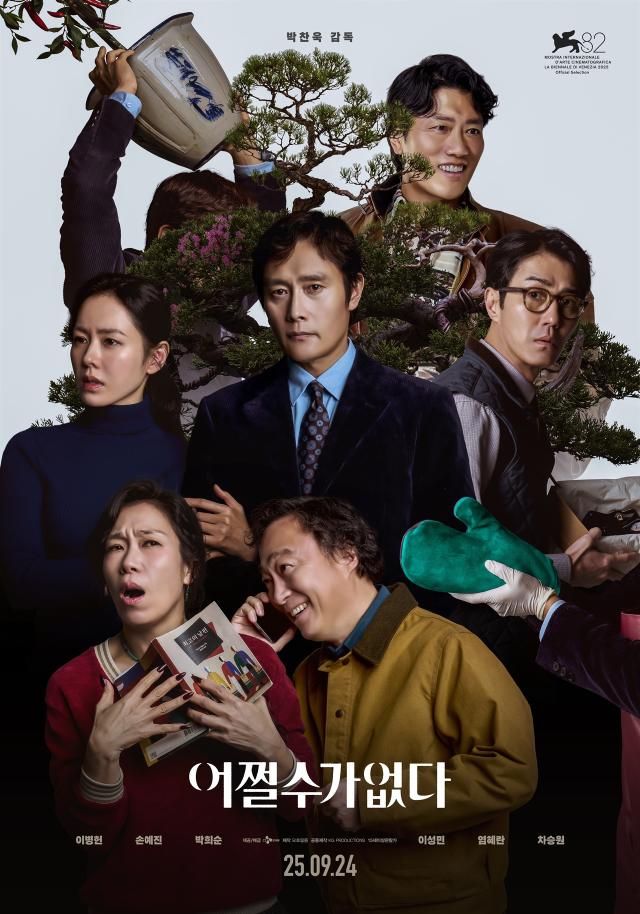
After more than three decades of shaping South Korean cinema for global viewers, Park is registering his first major North American box-office breakthrough. No Other Choice, a dark comedy centered on a laid-off paper factory manager who systematically eliminates his rivals, is not only the director’s most successful release in South Korea but is now posting record results in the U.S. market. The achievement marks a new commercial milestone for the filmmaker best known for Oldboy and The Handmaiden.
Distributed by Neon — which also handled Parasite — the film expanded nationwide to 695 U.S. theaters on January 16 following a limited Christmas release in five major cities. According to Box Office Mojo, it earned an estimated $888,000 on its first day of wide release, placing it in the national top ten. It is the first Korean film to do so since Parasite six years ago.
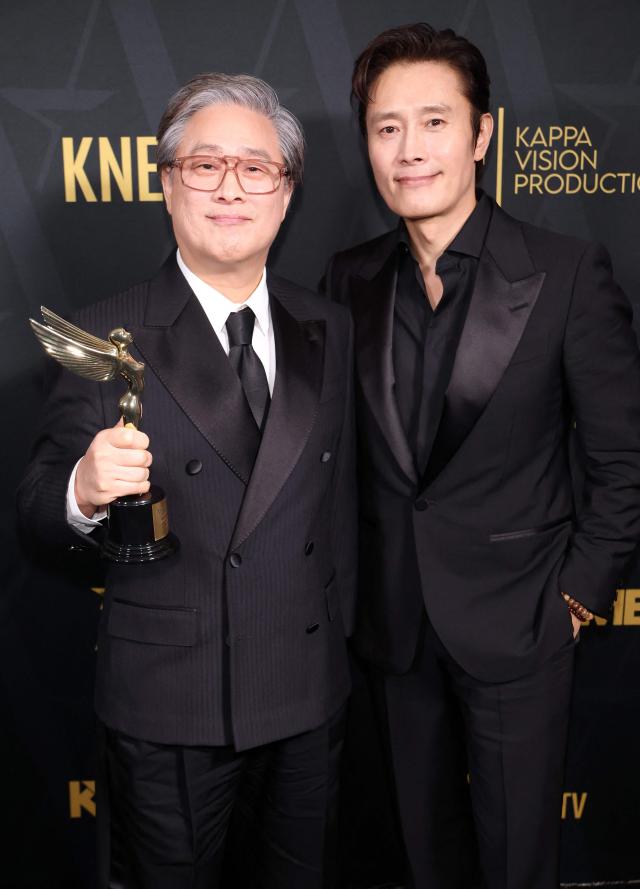
“Every A-list filmmaker I know talks about Director Park as someone who inspired them,” said Neon CEO Tom Quinn. “Oldboy changed my entire career. I’ve been waiting twenty years to work with him again.”
“A Parasite for the AI Era”
Despite its dark humor and satirical edge, Park has emphasized that the film’s core concern is the erosion of identity in an age of automation and economic displacement.
“Everything in this film has to do with the loss of confidence of a man who has been fired,” Park told the Financial Times following the premiere. “This is a person who has maintained his self-worth only as someone who has a job. When such a person loses his profession, it leads to a complete loss of confidence. He feels like he is no longer a man.”
The film stars Lee Byung-hun as a middle-aged manager whose position at a Busan paper factory is eliminated by its U.S. owners. In an effort to reclaim dignity and purpose, he redirects his managerial discipline toward murder.
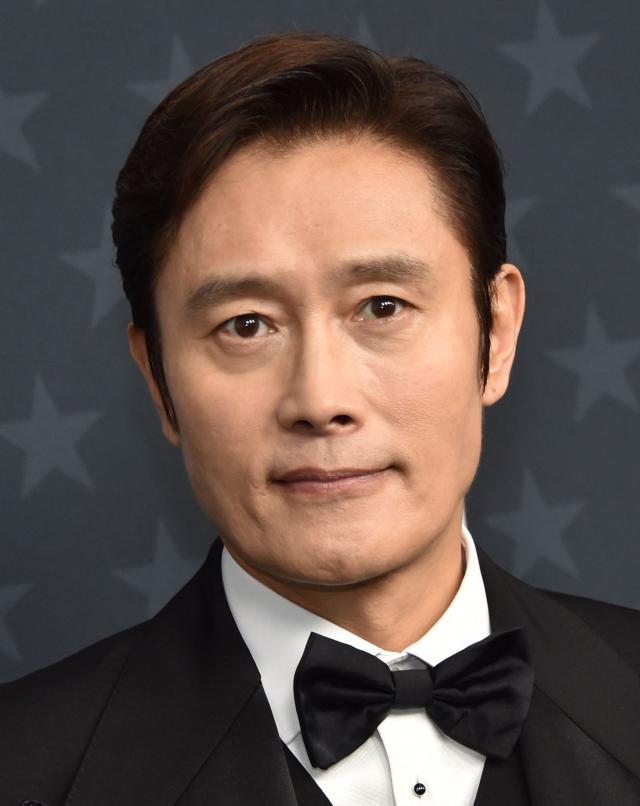
Park describes this moral inversion with what he calls “mathematician’s precision,” though the film itself is marked by restraint rather than excess. He has characterized No Other Choice as “brutally, comically straightforward,” a departure from the complex narrative structures of his earlier work.
The film is adapted from Donald E. Westlake’s 1997 novel The Ax, a project Park had considered for nearly two decades. Initially developed as a U.S.-based production — at one point for Netflix — the film was relocated to Korea following the success of Decision to Leave.
“Because I began writing the script as an American film, much of the preparation focused on that version,” Park said. “But the story proved universal. Whenever I shared it abroad, people responded the same way: ‘This is our story.’”
Global Resonance and Industry Reflection
Premiering at the Venice Film Festival to a nine-minute standing ovation and later winning the International People’s Choice Award in Toronto, No Other Choice has come to symbolize a tentative revival for Korean cinema amid prolonged domestic uncertainty.
“Due to the pandemic, audiences forgot about movie theatres,” Park said. “Korean culture peaked with Parasite and Squid Game, and immediately afterward we saw a steep decline in our industry.”
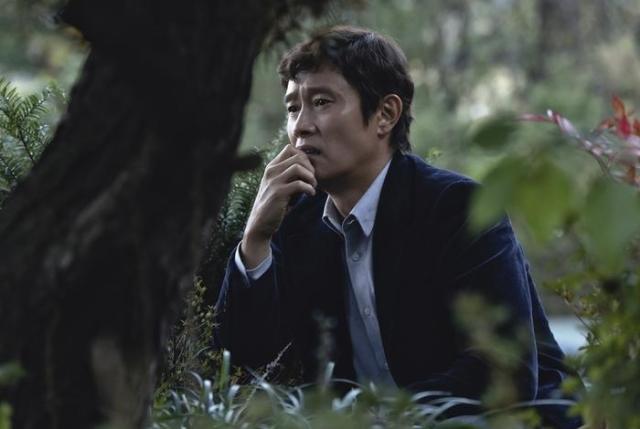
Park views the film’s success with measured unease. Its final image — a factory operating entirely without workers — points toward a future shaped by automation. He describes it as “a possible artificial intelligence filmmaker directing AI-generated actors.”
“At the moment, it’s still abstract,” he said. “But I do believe it will become a danger for filmmakers as well. And I’m quite certain it’s approaching at remarkable speed.”
Copyright ⓒ Aju Press All rights reserved.