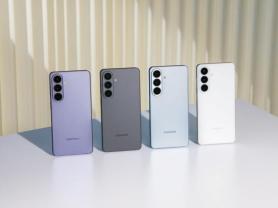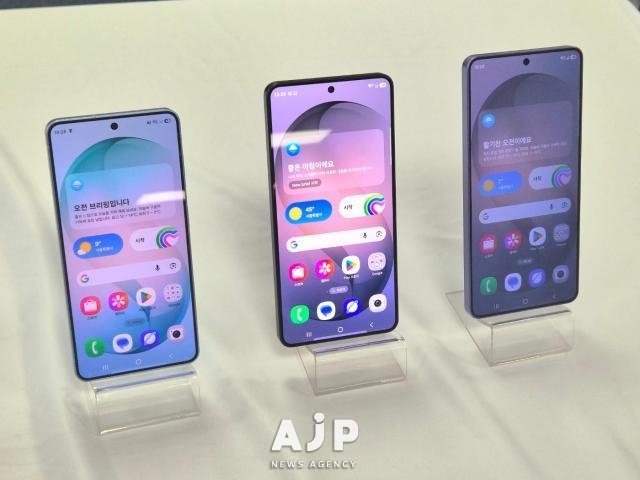
With the new Samsung Galaxy S26, Samsung Electronics is attempting to embed that instinct into hardware.
After nearly three decades of phone-making, Samsung’s latest flagship is framed less as a device that waits for commands and more as one that anticipates them — an invisible hand moving ahead of its user.
“Now Nudge”: AI that steps in
While texting a friend to set up plans, the phone’s “Now Nudge” feature quietly cross-checks the calendar and surfaces a reminder about a conflicting appointment. No separate query required.
Even Bixby has grown more agile.
“My eyes are tired — how should I change the settings?”
Instead of directing users to menus, the assistant applies “Eye Comfort Shield” directly within the chat interface, eliminating the friction of navigation. The aim is compression: fewer taps, fewer searches, fewer interruptions.
Privacy, built in
If anticipation is one pillar, privacy is the other.
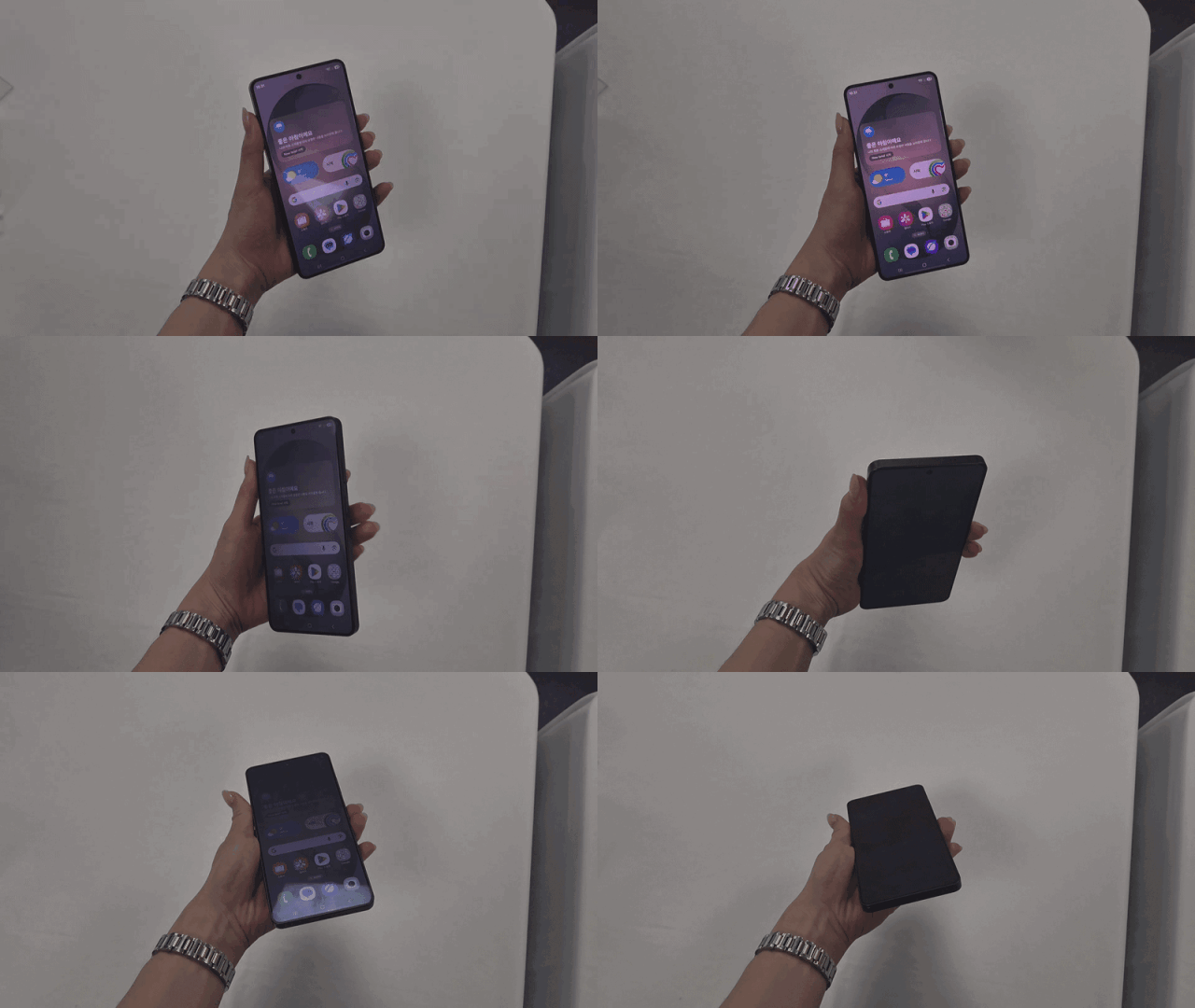
For Seoul’s tightly packed subway commuters, the standout feature may be “Privacy Display,” available exclusively on the Samsung Galaxy S26 Ultra.
Unlike aftermarket privacy films, the Ultra integrates the technology at the display-panel level, diffusing light pixel by pixel. Activated through the quick panel, the screen remains clear to the user while appearing black from side angles — top, bottom, left, and right.
Security has also been upgraded. An AI-driven “Call Screening” function answers unknown numbers on the user’s behalf, summarizes the caller’s intent in real time, and analyzes live conversations to flag potential voice-phishing attempts.
Visual AI: Circle to Search evolves
Visual AI — bypassing even voice and text — continues to expand.
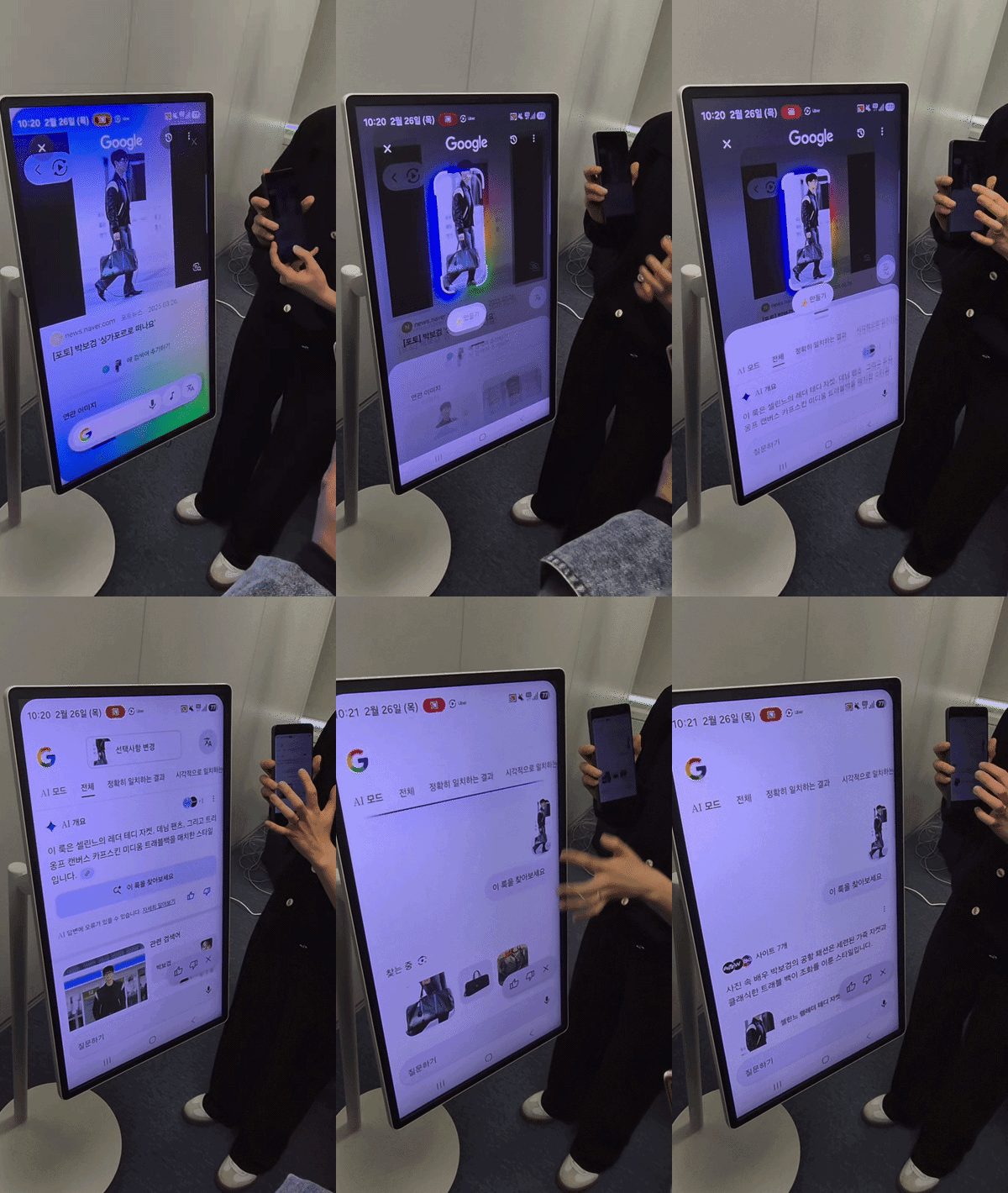
Samsung’s upgraded “Circle to Search” recognizes multiple elements simultaneously. Draw a circle around a celebrity’s outfit — top, pants, and bag — and the phone retrieves shopping results for all items at once.
What once required multiple searches is compressed into a single gesture.
The camera as canvas
In the AI era, cameras are no longer confined to capturing reality.
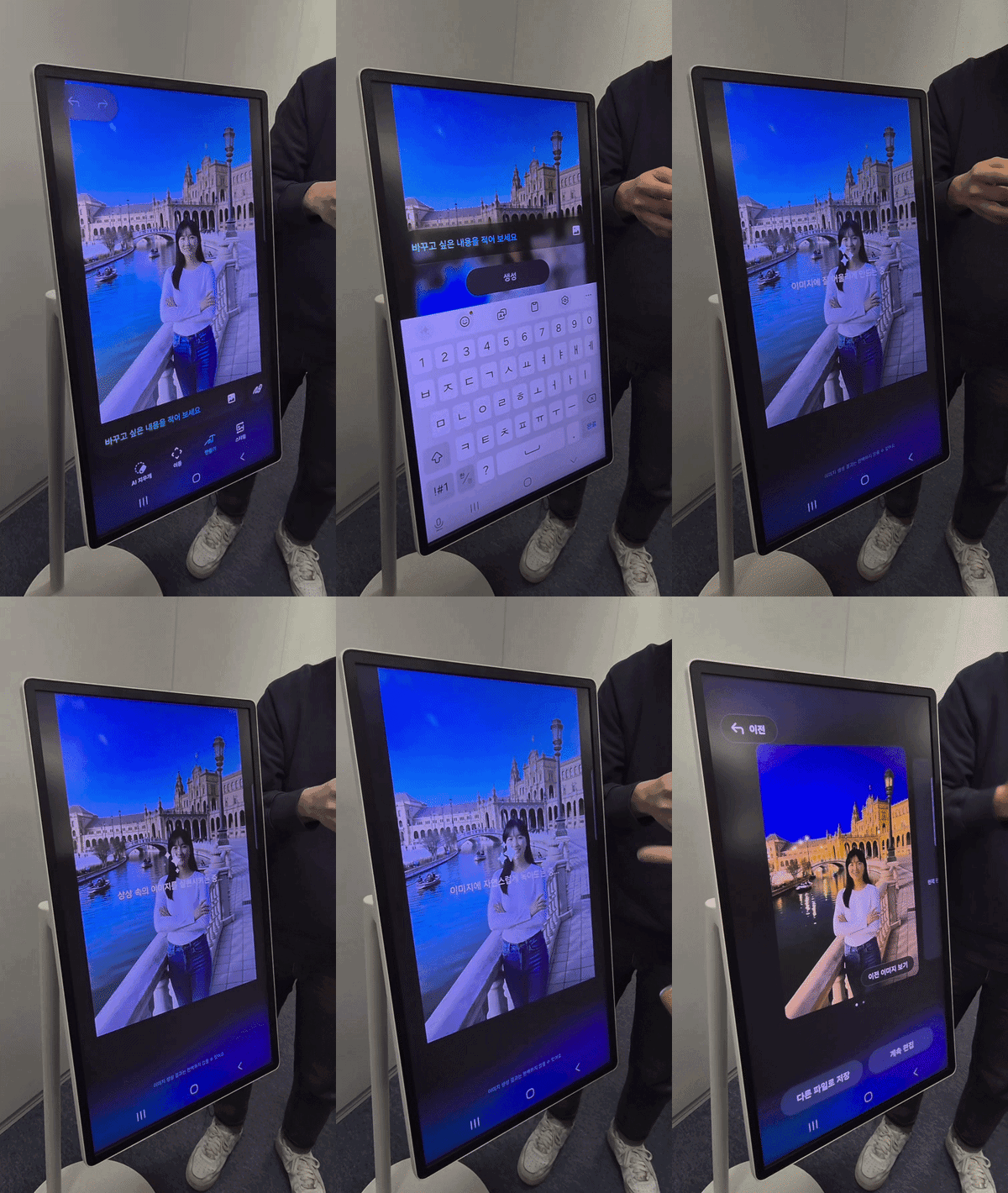
With the upgraded “Photo Assist” tool, users can select a full-body photo, choose a jacket saved in the gallery, and type: “Put these clothes on me.” The AI image signal processor (ISP) modifies the wardrobe seamlessly, preserving a history log that allows edits and reversions without creating duplicate files.
Daytime photos can also be transformed into nighttime scenes with natural lighting adjustments — turning static images into editable environments.
Comforts come at a cost
Automation, however, carries a premium.
Powered by Qualcomm’s Snapdragon 8 Elite Gen 5 for Galaxy, the S26 lineup enters new pricing territory.
The base Galaxy S26 starts at 1,254,000 won (about $940).
The Galaxy S26 Ultra begins at 1,797,400 won.
The 512GB Ultra model surpasses the two-million-won threshold for the first time in the series, priced at 2,050,400 won.
The question now is not whether the phone is capable. It is whether users — particularly younger consumers — will view AI-driven anticipation as liberation from friction or as an over-eager assistant that intrudes too often.
Samsung has given its phone nunchi.
Whether consumers welcome that instinct — and pay for it — will determine whether anticipation becomes the next default in the smartphone era.

Copyright ⓒ Aju Press All rights reserved.