SEOUL, March 19 (AJP) - The Bank of Korea (BOK) vowed to take "stabilization actions" upon signs of volatility in domestic financial markets in renewed interventionist rhetoric Thursday after the local currency's spiral past its de facto defense line of 1,500 versus the U.S. dollar.
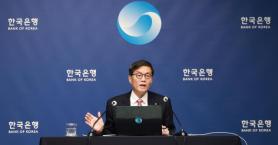
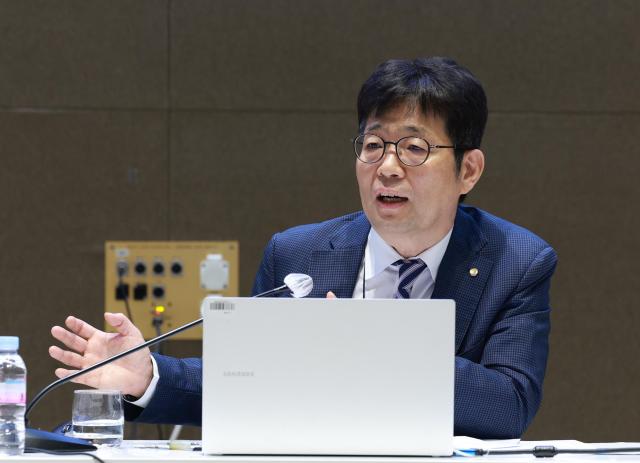
"Uncertainties in the U.S. Federal Reserve's monetary policy path have escalated," said BOK senior deputy governor Ryoo Sang-dai during an emergency Task Force (TF) meeting addressing the fallouts from the Fed’s FOMC meeting and the ongoing blockade in the Strait of Hormuz.
This marks the third emergency session this month since the launch of U.S.-Israel attacks on Iran in late February.
The won’s weakness has intensified as hopes for a narrowing interest rate differential faded with the Fed's latest hold.
The dollar has shot up to 1,505.9 in early Thursday session in Seoul, up sharply from 1,483.1 previous close. Since the rhetoric, the dollar has eased to 1,499.2 won.
Market volatility has been exacerbated by the prolonged conflict in the Middle East. Crude oil prices have surged by over 40 percent in March, fueling inflationary pressures and weighing heavily on the trade-dependent South Korean economy.
As of Thursday 9:40 a.m., Brent crude reached $110.6 per barrel, a surge of more than 52 percent compared to February 27, just before the conflict erupted.
This comes amid escalating fears of actual disruptions in production and supply, following Israel's bombardment of South Pars, Iran’s largest gas field, and Tehran’s retaliatory strikes against facilities across the region, including in the UAE.
"With external risks such as the persistent instability in the Middle East remaining high, the central bank is closely monitoring the situation" and "will take timely stabilization measures" when deemed necessary, he said.

Copyright ⓒ Aju Press All rights reserved.